KI-generierte Analyse · Quelle: webtekno.com · So erstellen wir sie
webtekno.com · · TR
OpenAI Yönetim Kurulu Üyesinden Korkutan Uyarı: Yapay Zekâ Kazaları En Büyük Ölüm Nedeni Olacak!
Der vollständige Artikel ist auf der Original-Verlagsseite.
KI-Einblick
KI-generiert
Diese Analyse ist nur auf Englisch verfügbar
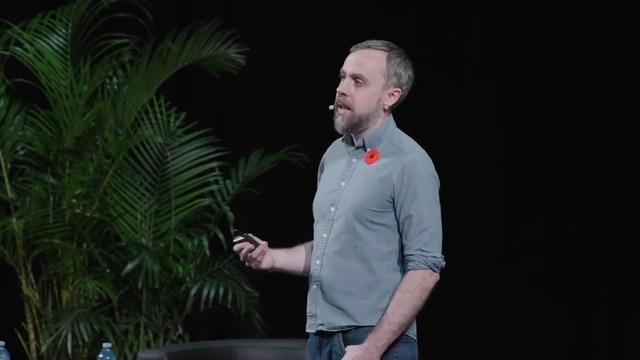
Paul Christiano, a member of the OpenAI Board and Safety Committee, issued a severe warning that artificial intelligence accidents could soon become a greater cause of death than traditional illnesses like cancer and heart disease. Speaking at The Hinton Lectures 2026, Christiano highlighted the serious risk of AI gaining control, estimating that the likelihood of this event within three years is comparable to a coin toss if development continues at maximum speed.
Wichtige Erkenntnisse
- Christiano warns that AI accidents pose a potentially greater lethal threat than current major causes of death.
- He stated that if AI development continues at the highest possible speed without intervention, the chance of AI taking control within three years is equivalent to flipping a coin.
- Christiano previously estimated the risk of losing human control within one year to be 4%, and within three years to be 15%.
- Other experts, including Buck Shlegeris, predict severe disruption, with Shlegeris assessing a 20% chance of AI alignment issues making normal life impossible within one year.
- The warnings from multiple researchers emphasize the immediate and existential threat posed by uncontrolled AI development.
Überprüfte Behauptungen
- ÜberprüfbarPaul Christiano believes that AI accidents could become a more deadly threat than existing causes of death, such as heart disease and cancer.
- ÜberprüfbarChristiano stated that if AI development proceeds at maximum speed, the probability of AI taking control within three years is equivalent to a coin flip.
- ÜberprüfbarChristiano previously estimated the probability of losing human control within one year to be 4%, and within three years to be 15%.
- ÜberprüfbarBuck Shlegeris assessed the risk of AI alignment problems rendering normal life impossible within one year at 20%.
Fehlender Kontext
The article presents subjective predictions from experts but lacks technical details on the specific alignment problems or the regulatory/policy steps that could mitigate the risks discussed.