KI-generierte Analyse · Quelle: theguardian.com · So erstellen wir sie
theguardian.com · · GB
‘Human’ wins Cambridge dictionary’s word of the year
Der vollständige Artikel ist auf der Original-Verlagsseite.
KI-Einblick
KI-generiert
Diese Analyse ist nur auf Englisch verfügbar
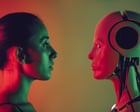
The Cambridge Dictionary named 'Human' its Word of the Year for 2026, a choice made in response to the blurring lines between human and artificial intelligence. The dictionary defined the term to encompass the unique qualities, faults, and feelings of people, specifically to distinguish human output from that of advanced computer systems.
Wichtige Erkenntnisse
- The selection of 'Human' was made despite a shortlist dominated by technology-related terms.
- The rise of advanced AI, such as ChatGPT, has intensified philosophical questions regarding human consciousness and identity.
- The dictionary emphasizes that the word is now used to differentiate the work and qualities of people from those of machines.
- Experts note that AI has forced society to revisit ancient questions about what it means to be human.
- Other words considered for the award included 'agent' and 'analogues'.
Überprüfte Behauptungen
- ÜberprüfbarThe Cambridge Dictionary selected 'Human' as its Word of the Year for 2026.
- ÜberprüfbarThe dictionary defines 'human' as possessing qualities, faults, and feelings unique to people, as opposed to machines.
- ÜberprüfbarThe increasing use of compounds like 'human-made' reflects the need to distinguish human work from AI output.
- ÜberprüfbarAI advancements have prompted some, like Richard Dawkins, to suggest that computers may be human.
Fehlender Kontext
The article mentions that AI breakthroughs occurred 'three years ago' relative to the 2026 date, but it does not specify the exact technological milestones or events that catalyzed this heightened philosophical debate.