KI-generierte Analyse · Quelle: breakingdefense.com · So erstellen wir sie
breakingdefense.com · · US
When networks are contested, paring down the data may mean better logistics at the edge
Der vollständige Artikel ist auf der Original-Verlagsseite.
KI-Einblick
KI-generiert
Diese Analyse ist nur auf Englisch verfügbar
The article examines the critical challenges of maintaining military logistics in modern, contested environments where supply lines and communications are vulnerable. To achieve 'precision logistics' in communication-denied areas, the U.S. Army must implement advanced digital infrastructure and leverage artificial intelligence to effectively manage and utilize vast amounts of tactical data.
Wichtige Erkenntnisse
- Logistics capabilities must be resilient to ensure the safe and effective movement of personnel and materiel in contested zones.
- Achieving precision logistics requires capturing accurate and timely tactical-level information regarding assets and commodities.
- Digital infrastructure, including software-defined systems and smart warehousing, is necessary to support field operations.
- AI is presented as a key tool for sorting massive datasets, transforming raw data into usable, actionable intelligence for operators.
- New platforms, such as the Hunter Wolf, are being adopted to enhance mobility and automate logistics support in the field.
Überprüfte Behauptungen
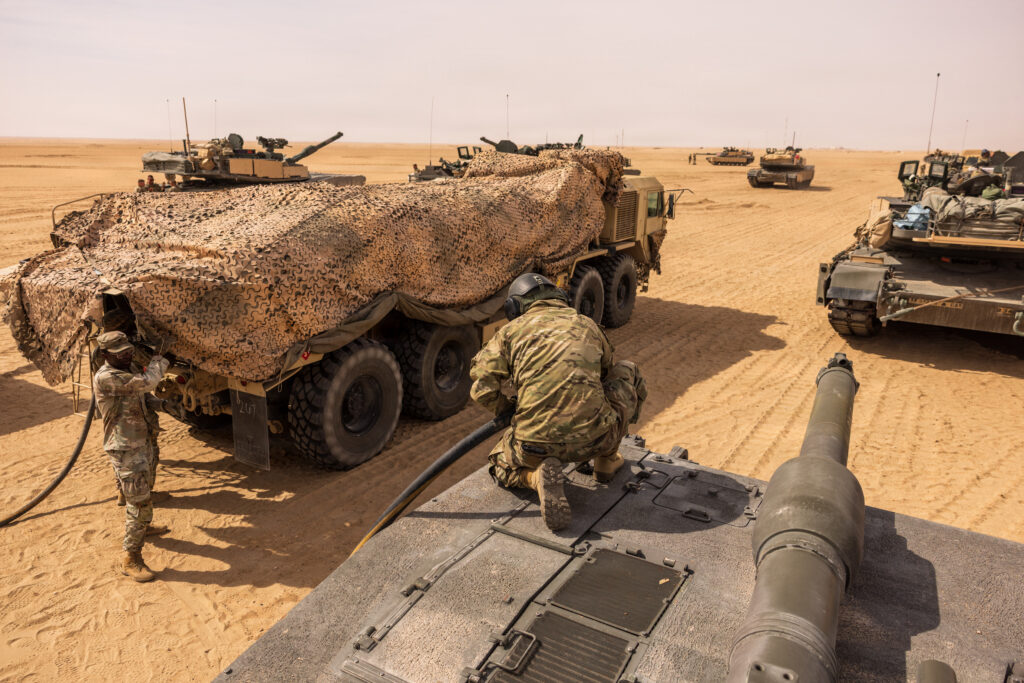
- ÜberprüfbarTactical refueling is a vital element of combat logistics support, extending operational reach in contested environments.
- ÜberprüfbarPrecision logistics is defined as the capability to provide the exact quantity of supplies needed across the battlefield.
- ÜberprüfbarThe Army needs to build digital backbones and utilize software-driven capabilities to meet the precision logistics challenge.
- ÜberprüfbarAI offers ways to manage large datasets, helping to provide usable information to both rear-guard and frontline troops.
- ÜberprüfbarThe Hunter Wolf unmanned ground vehicle is part of the S-MET program and is designed to automate logistics and enhance Soldier mobility.
Fehlender Kontext
The article does not provide specific timelines, budgetary allocations, or detailed information regarding the current state of the Army's existing digital infrastructure or the challenges in adopting these new technologies.