athens-times.com ·
Critical Inflation and Interest Rate Decisions Ahead Amid Middle East Tensions 2
Topic context
This topic has been covered 171440 times in the last 7 days across our monitored publishers.
The full article is on the original publisher site.
AI insight
AI-generatedHigh energy costs are expected to push Brent crude oil prices up 2-3% over the next 48 hours, creating immediate cost pressure on industrial sectors. The key risk is that this initial spike may be more speculative than structurally certain due to existing global inventory buffers.
Rising Brent crude oil prices ($96/barrel) are acting as a direct input cost pressure on the Greek economy, contributing to inflationary pressures across transport and production costs. This forces the ECB to consider potential monetary tightening (interest rate decisions), impacting EM debt servicing and currency stability for Greece.
Signals our AI researcher identified
Extracted by our AI model from this article and related public sources — not direct quotes from the publisher.
- Greece inflation estimated at 5% for May (vs. Eurozone average of 3.2%)
- Brent crude oil prices nearing $96 per barrel
- ECB policy meeting scheduled for June 11
- European Commission projects 2% growth and 3.2% inflation for Greece in 2026
Affected products & commodities
- Brent crude oil
- Transport fuel
- General consumer goods/services in Greece
Supply-chain signals
- Global energy price volatility (Oil)
- ECB monetary policy transmission to peripheral economies (Greece)
Historical parallels
- High global oil prices typically lead to inflation pass-through in import-dependent economies, forcing central banks (like the ECB) to adjust rates and increasing sovereign debt servicing costs.
This analysis would be wrong if
If concrete news confirms sufficient commercial shipping inventories or if ECB policy signals a strong commitment to maintaining liquidity and stabilizing peripheral debt markets.
High oil prices create immediate cost pass-through risk across transport and industrial sectors over the next 48 hours. Key risk: The spike magnitude is limited by global inventory buffers.
Sign in to see all sector verdicts, full thesis and counter-argument debate.
Sector impact at a glance
- COMMODITY_OILshort
- EM_BANKINGmid
- EM_BANKINGshort
- EM_INDUSTRIALSmid
- EM_INDUSTRIALSshort
- FX_EURmid
- FX_EURshort
- GLOBAL_ENERGYmid
- GLOBAL_ENERGYshort
Related stories
indianexpress.com
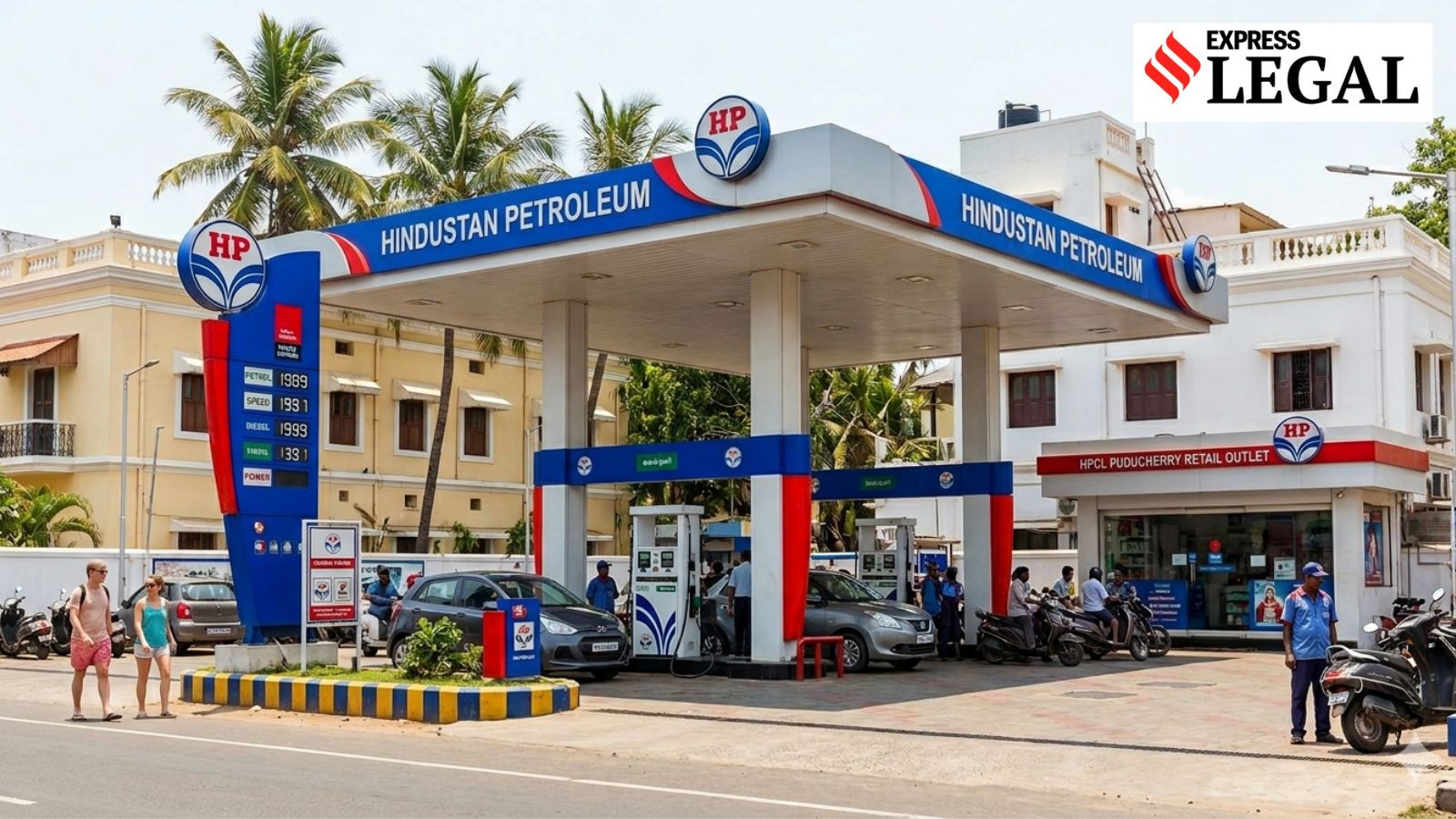
Puducherry Coolie Fined 1 Lakh Weaponising Pil Block Petrol Pump

livemint.com
Perplexity Plans IPO in 2028 Agnostic Regardless Openai Anthropic Listings CEO Aravind Srinivas AI Company Spacex Report

rozanaspokesman.com
Continuing Mission Rozgar Cm Bhagwant Singh Mann Hands Over Appointme

econotimes.com
Asian Stocks Rebound as AI and Chip Shares Recover Easing Iran Tensions Boost Sentiment

juancole.com