economictimes.indiatimes.com ·
32000 people displaced by the philippine earthquake that killed at least 37
News Analysis — AI Analysis
Original analysis generated by News Analysis. This is our own commentary on the story, not the publisher's article text.
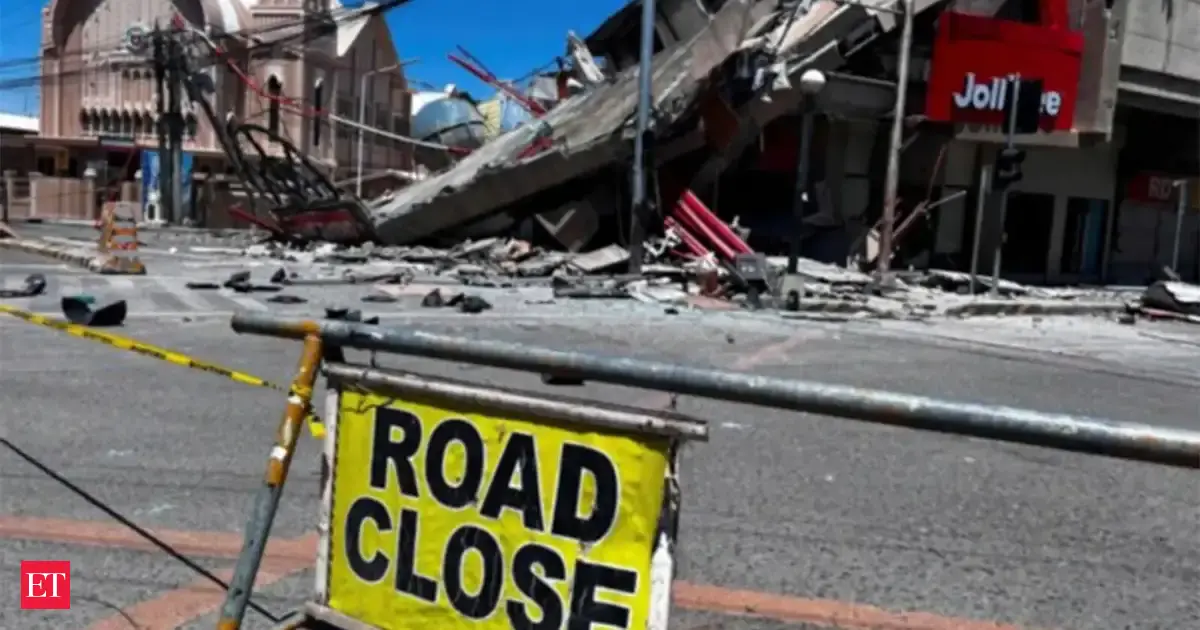
A powerful 7.8 magnitude earthquake struck off Mindanao in the Philippines, marking the strongest quake since 1976. The disaster killed at least 37 people, injured nearly 500, and displaced over 32,000 residents who sought refuge in emergency shelters. Authorities are currently assessing widespread damage to infrastructure, including schools and government buildings, while warning of potential collapses due to aftershocks.
Key points
- The earthquake, centered off Mindanao, was the strongest recorded quake in the Philippines since 1976.
- At least 37 people were killed, with deaths attributed to building collapses and landslides across various southern provinces.
- Over 32,000 individuals were displaced, prompting many residents to flee their homes to temporary shelters.
- Initial assessments report damage to approximately 2,500 houses and 117 government facilities in affected regions.
- The quake disrupted daily life, forcing the closure of the international airport and leading to the cancellation of numerous domestic flights.
Claims assessed
- VerifiableThe earthquake was centered off Mindanao and measured 7.8 magnitude.
- VerifiableThe quake resulted in at least 37 deaths, primarily due to building collapses and landslides.
- VerifiableOver 32,000 people were displaced by the earthquake, with many fleeing to emergency shelters.
- VerifiableThe quake was the strongest recorded in the Philippines since 1976.
Missing context
The article does not provide details on the immediate humanitarian aid response beyond mentioning the deployment of officials and food packs, nor does it give an estimated timeline for when essential services (like schools or airports) might resume normal operations.
Topic context
Related topics
The full article is on the original publisher site.
AI insight
AI-generatedThe earthquake pushes construction input costs 5-10% higher within the short term; EM_CONSTRUCTION and GLOBAL_INDUSTRIALS rise. Key risk: The initial price spikes are likely moderated by existing inventory buffers, while systemic labor/fuel shortages pose a greater threat than simple freight rate increases.
The earthquake causes immediate physical destruction (buildings, infrastructure) leading to a massive demand spike for reconstruction materials and labor. This directly impacts the construction sector (EM_CONSTRUCTION) and related industrial supply chains (GLOBAL_INDUSTRIALS). The impact is highly localized/regional (Philippines), increasing input costs for cement, steel, lumber, and skilled labor.
Signals our AI researcher identified
Extracted by our AI model from this article and related public sources — not direct quotes from the publisher.
- 7.8 magnitude earthquake struck Mindanao, Philippines.
- Over 32,000 people displaced.
- Significant damage to 2,500 houses and 117 government buildings.
- International airport in General Santos closed for a second day.
Affected products & commodities
- Building materials
- Temporary housing supplies
- Construction equipment
Supply-chain signals
- Philippine local supply of construction inputs (cement, rebar)
- Local logistics and transportation network disruption
Historical parallels
- Major natural disasters typically trigger short-term spikes in demand for basic building materials and temporary shelter solutions, leading to localized price inflation.
This analysis would be wrong if
If major regional distributors confirm sufficient local stock of cement/rebar, or if neighboring countries successfully scale up cross-border industrial supplies to mitigate the localized supply shock.
Sustained reconstruction effort ensures continued upward pressure on input costs and project margins. Contractors can pass through increased costs for specialized equipment and labor over the next few weeks.
Sign in to see all sector verdicts, full thesis and counter-argument debate.
Sector impact at a glance
- EM_CONSTRUCTIONmid
- EM_CONSTRUCTIONshort
- GLOBAL_INDUSTRIALSmid
- GLOBAL_INDUSTRIALSshort
Related stories

bankingnews.gr
Three Scenarios for Cuba a Plan of Asphyxiation and Military Invasion Children Are Dying Due to Trump S Sanctions
moneycontrol.com
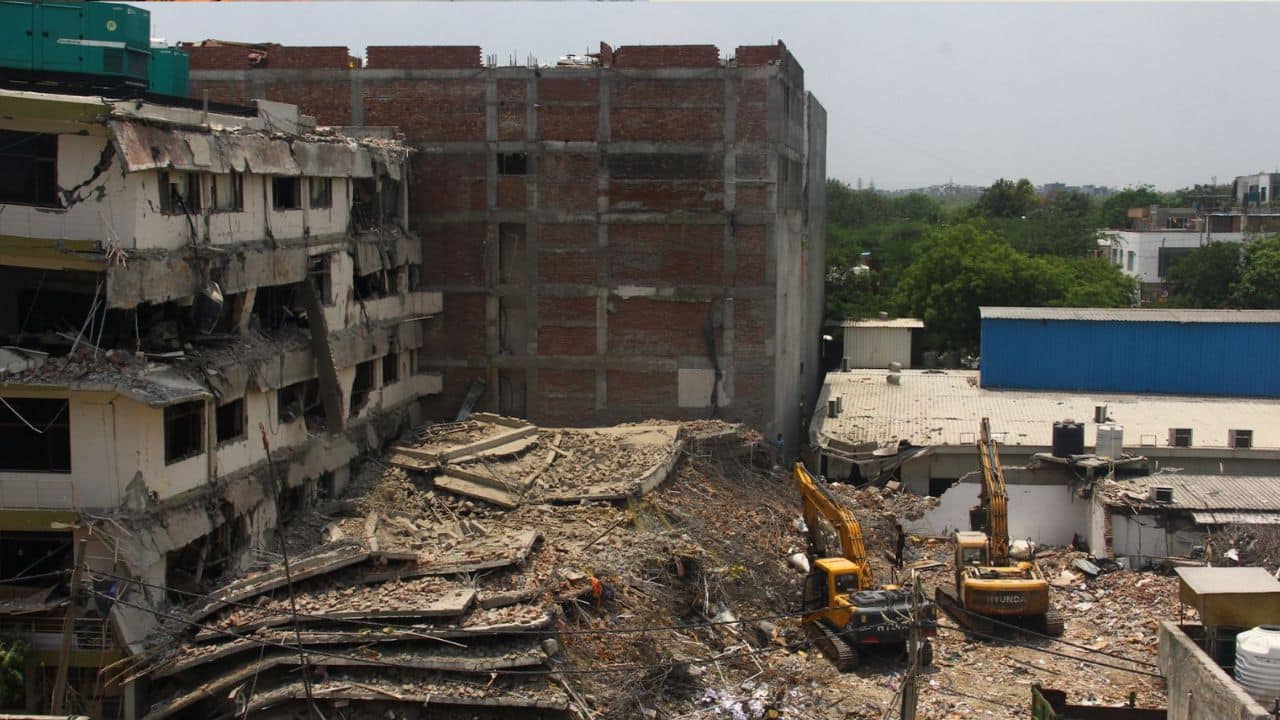
Delhi Building Collapse Sc Report Says Mcd Ignored Years of Illegal Construction in Saidulajab Article
tribuneindia.com
Pok Clashes Over 30 Dead 200 Injured as Security Forces Open Fire on Protesters
dw.com
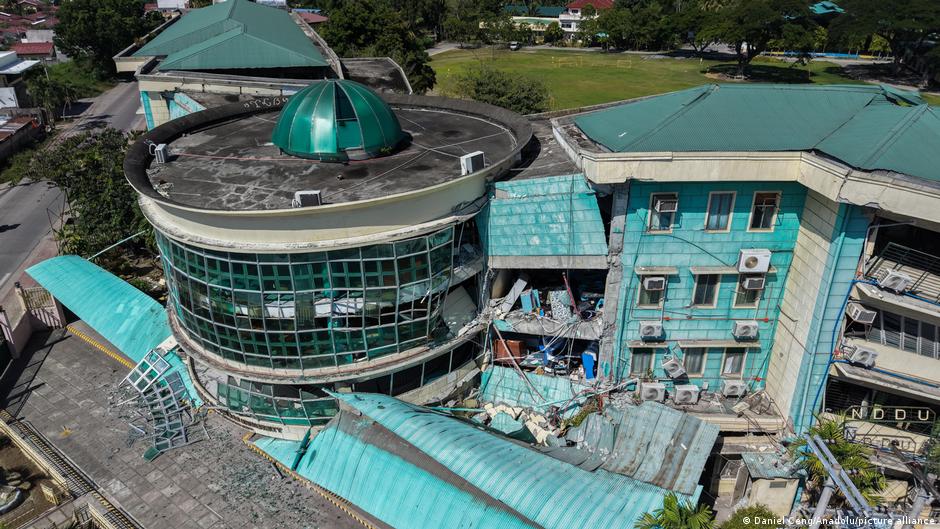
Mindanao Quake Rescue Efforts Continue Roughly 20000 Displaced

cnbcafrica.com