heraldk.com ·
opec+ 호르무즈 봉쇄 후 4번째 원유 증산 합의…하루 18만8000
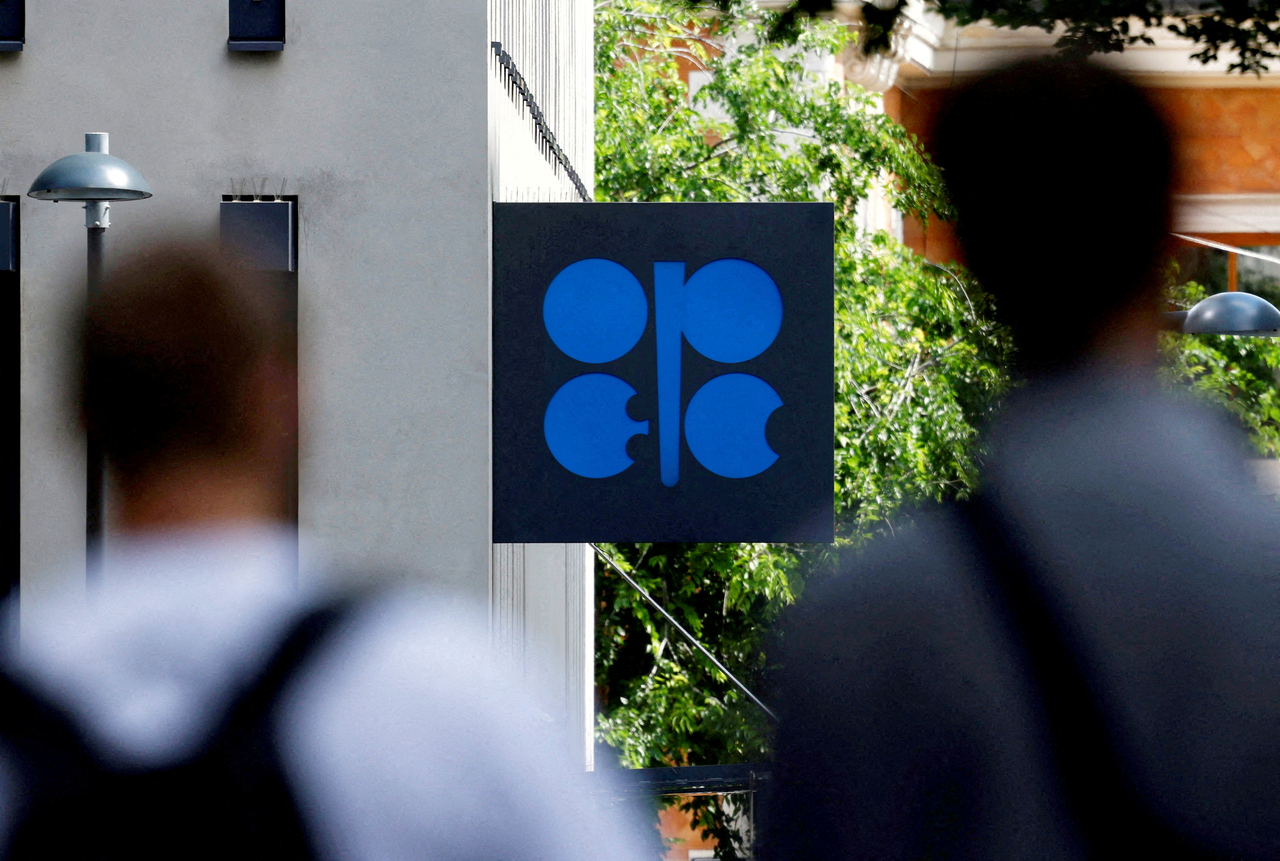
The full article is on the original publisher site.
AI insight
AI-generatedOPEC+ quota adjustments provide a modest short-term lift to crude oil benchmarks (1-2% within 48h), but the dominant commercial signal is the structural supply tightness. The combination of declining actual production and the Strait of Hormuz blockade establishes strong long-term price support for global energy assets. Main risk: If geopolitical tensions ease or if major demand slowdowns occur, the projected high pricing power could rapidly unwind.
OPEC+ increased oil quotas (188,000 bpd) in an attempt to stabilize supply amidst geopolitical risk (Strait of Hormuz blockade). However, actual production is declining significantly (1.44 million bpd drop), suggesting structural supply weakness and potential future price support/floor for crude oil. This primarily affects global energy producers and consumers.
Signals our AI researcher identified
Extracted by our AI model from this article and related public sources — not direct quotes from the publisher.
- OPEC+ agreed to increase oil production by 188,000 barrels per day.
- This is the fourth consecutive month of production adjustment.
- The decision follows voluntary cuts announced in April 2023.
- Actual Gulf country production has dropped by 1.44 million barrels per day compared to pre-war levels.
- The agreement occurs amid the blockade of the Strait of Hormuz.
Affected products & commodities
- Crude Oil
- Global Energy Supply
Supply-chain signals
- Strait of Hormuz transit capacity
- OPEC+ production quotas adherence
Historical parallels
- Previous OPEC+ quota agreements often lead to short-term price support and inventory destocking, but sustained low actual output relative to stated goals suggests persistent supply tightness.
This analysis would be wrong if
If a concrete timeline is published showing that the structural decline in actual production (1.44 million bpd) can be reversed by non-OPEC supply increases, or if global industrial demand proves significantly inelastic to price rises.
Structural supply scarcity and geopolitical chokepoints establish a strong price floor for crude oil. The key risk is that the high pricing power assumed may not be guaranteed over time.
Sign in to see all sector verdicts, full thesis and counter-argument debate.
Sector impact at a glance
- COMMODITY_OILmid
- COMMODITY_OILshort
- EM_ENERGYshort
- GLOBAL_ENERGYmid
- GLOBAL_ENERGYshort