economictimes.indiatimes.com ·
Oil Price Today June 9 Crude Oil Falls 1 as Israel and Iran Pause Strikes Where Is Liquid Gold Headed
Topic context
This topic has been covered 174448 times in the last 7 days across our monitored publishers.
The full article is on the original publisher site.
AI insight
AI-generatedThe persistent geopolitical threat to the Strait of Hormuz pushes global energy and shipping costs higher. Expect commodity oil futures (COMMODITY_OIL) and specialized freight rates (LOGISTICS_SHIPPING) to see moderate upward repricing in the short term, while structural cost floors remain elevated over the medium term. Main risk: The immediate price spikes are highly volatile and may revert quickly if de-escalation is confirmed or diplomatic assurances materialize.
The immediate price drop for Brent crude and WTI was driven by temporary geopolitical de-escalation (Iran/Israel ceasefire). However, the underlying commercial concern remains high due to the vulnerability of the Strait of Hormuz. This suggests that while short-term demand/supply panic subsided, the risk premium associated with global oil supply stability remains elevated, potentially impacting long-term investment and insurance costs for shipping.
Signals our AI researcher identified
Extracted by our AI model from this article and related public sources — not direct quotes from the publisher.
- Brent crude futures fell 0.60% to $93.72/barrel on June 9.
- WTI crude fell 0.50% to $90.83/barrel on June 9.
- Oil prices fell following the pause of hostilities between Iran and Israel.
- The Strait of Hormuz is cited as a critical oil shipping route with potential disruption risk.
Affected products & commodities
- Brent crude
- WTI crude
- Global refined petroleum products
Supply-chain signals
- Strait of Hormuz transit security
- Oil tanker insurance rates
Historical parallels
- Past geopolitical tensions (e.g., Strait blockades) typically cause immediate, sharp spikes in crude oil futures and associated shipping/insurance costs, which tend to persist until the physical threat is removed.
This analysis would be wrong if
If concrete evidence of a major physical disruption (e.g., blockade) fails to materialize, or if insurance premiums normalize rapidly due to verifiable diplomatic agreements.
Crude oil prices are expected to maintain a structurally higher floor (5-8% above pre-tension levels) over the next 2-4 weeks. Key risk: The sustained premium is dependent on geopolitical tensions remaining unresolved and not solely driven by speculative risk modeling.
Sign in to see all sector verdicts, full thesis and counter-argument debate.
Sector impact at a glance
- COMMODITY_OILmid
- COMMODITY_OILshort
- GLOBAL_ENERGYmid
- GLOBAL_ENERGYshort
- LOGISTICS_SHIPPINGmid
- LOGISTICS_SHIPPINGshort
Related stories
investinglive.com:443
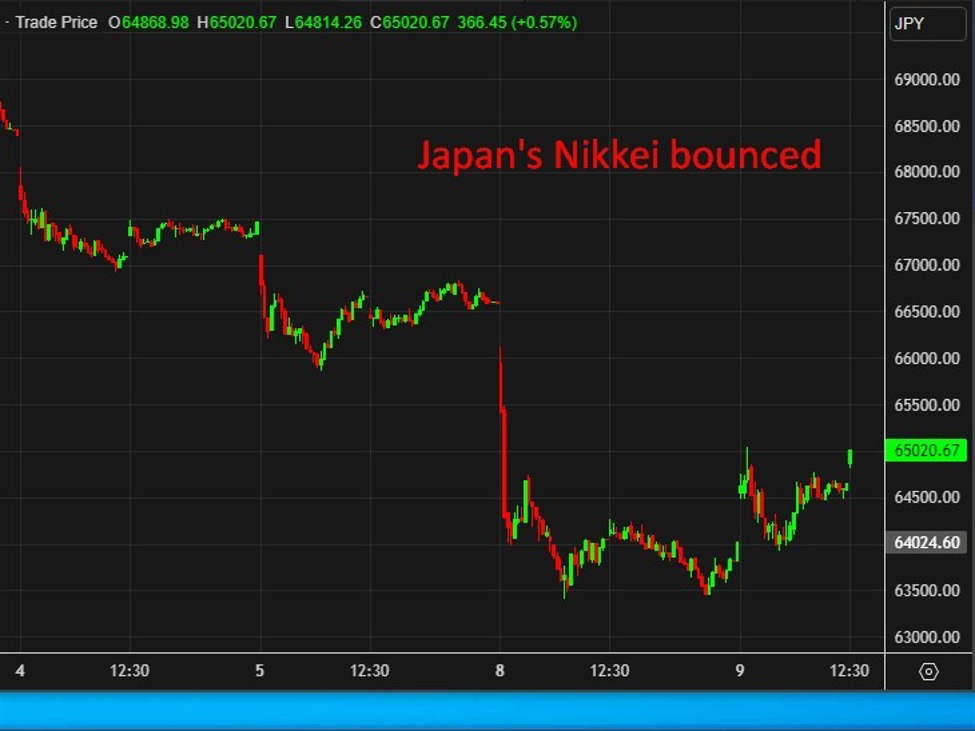
Investinglive Asia Pacific Fx News Wrap Openai Has Confidentially Filed for a US IPO
downtoearth.org.in
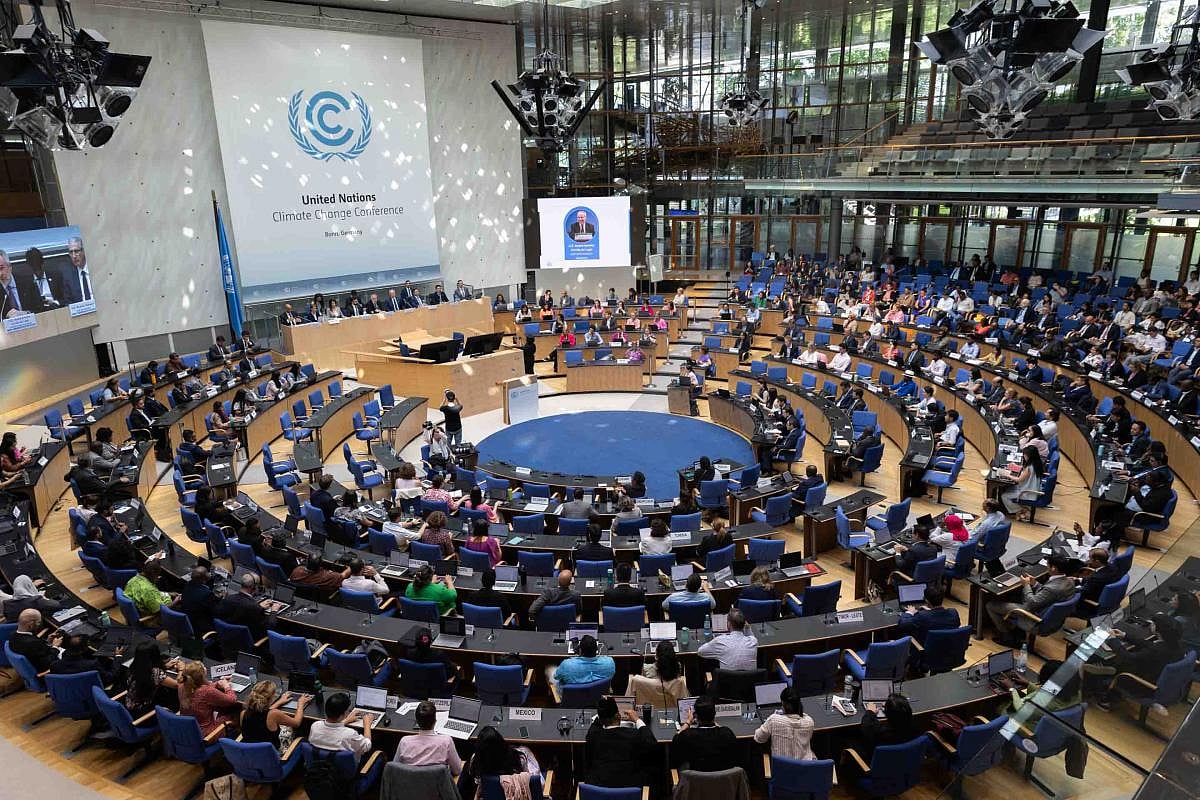
Bonn Climate Conference 2026 Mid Year Climate Talks to See Adaptation Fossil Fuels and Delivery in Focus

spectator.org
Cuba Is Prepared to Be a Second Iran

townhall.com
Lessons From Graham Planter N

finanznachrichten.de