sofiaglobe.com ·
Strait of Hormuz EU Adopts New Sanctions Against Iran
News Analysis — AI Analysis
Original analysis generated by News Analysis. This is our own commentary on the story, not the publisher's article text.
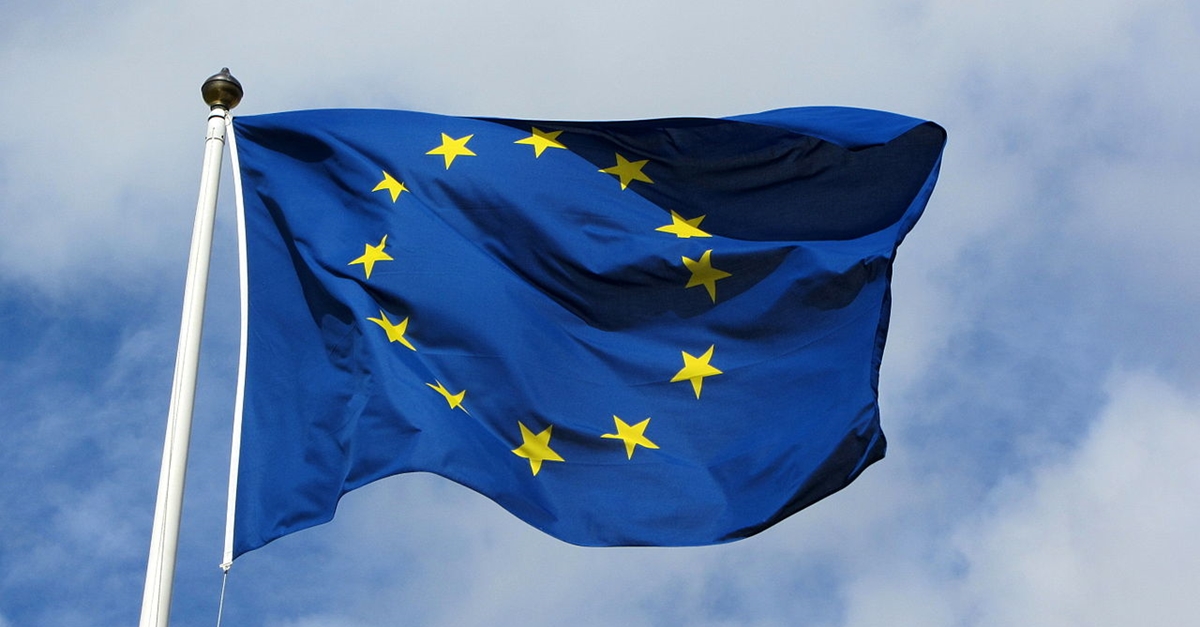
The European Union announced the adoption of new restrictive measures against Iran following a meeting of its foreign ministers. These sanctions target individuals and an entity involved in actions deemed to threaten freedom of navigation through international straits, specifically naming the Islamic Revolutionary Guard Corps Navy (IRGCN). The EU stated that these Iranian actions violate international law regarding transit and innocent passage.
Key points
- The EU imposed new restrictive measures on June 8, 2026, targeting those involved in activities threatening freedom of navigation in the Middle East.
- Sanctions specifically address the IRGCN's alleged control over the Strait of Hormuz and its implementation of a toll system for vessels.
- The EU listed Mohammad Akbarzadeh (Deputy Commander for Political Affairs of the IRGC Navy) and Hamid Hosseini (representative of Iran’s Oil, Gas and Petrochemical Products Exporters’ Union).
- Under these sanctions, listed individuals face asset freezes, prohibitions on funds/economic resources, and a travel ban to the EU.
- The measures expand the existing sanctions regime, which now covers 26 natural persons and 27 entities from various countries.
Claims assessed
- VerifiableThe IRGC Navy has assumed control of the Strait of Hormuz and implemented a toll system requiring vessels to provide identifying documentation and cargo/destination information.
- VerifiableMohammad Akbarzadeh threatens to use missiles or drones against commercial vessels transiting the strait while serving in the IRGC Navy.
- VerifiableThe EU's sanctions are based on the premise that Iran's actions violate international law regarding transit and innocent passage through straits.
Missing context
The article does not provide details regarding the specific international legal basis or evidence used by the EU to determine that the IRGCN's toll system constitutes a violation of established international law. It also lacks any response or counter-statement from Iran.
Topic context
Related topics
The full article is on the original publisher site.
AI insight
AI-generatedEU sanctions and the Hormuz dispute push global energy freight/insurance premiums up, causing immediate spikes in crude oil (2-4%) and LNG (4-7%). The most critical signal is that petrochemical feedstock costs will also rise sharply due to these upstream energy shocks. Main risk: If physical supply disruptions or major regulatory shutdowns are not confirmed, the magnitude of the initial price spike may be significantly overstated.
The new EU sanctions targeting Iranian officials and entities involved in maritime activities (IRGCN, Exporters’ Union) directly increase geopolitical risk for energy transit through the Strait of Hormuz. This raises concerns about potential supply disruptions or increased operational costs (insurance/fees) for oil and gas exports from Iran, impacting global crude oil and natural gas prices.
Signals our AI researcher identified
Extracted by our AI model from this article and related public sources — not direct quotes from the publisher.
- EU adopted new sanctions against Iran on June 8, 2026.
- Sanctions target individuals and entities linked to threats in the Strait of Hormuz.
- The IRGCN implemented a toll system for vessels transiting the Strait of Hormuz.
- The EU states the toll system infringes on international law.
- Total sanctions now apply to 26 individuals and 27 entities.
Affected products & commodities
- Crude Oil
- Natural Gas
- Petrochemical Products
Supply-chain signals
- Strait of Hormuz transit security
- Iranian energy export routes
Historical parallels
- Previous sanctions or geopolitical tensions in the Strait of Hormuz have historically led to immediate spikes in global crude oil and LNG freight rates, as shippers factor in increased risk premiums.
This analysis would be wrong if
If global shipping insurance premiums normalize quickly, or if a concrete timeline for sanctions enforcement/physical blockage is delayed beyond 7 days.
Sustained high energy costs will increase the cost structure for petrochemical-dependent industries over 2-4 weeks. Key risk: Producers may pass through costs effectively to inelastic demand sectors.
Sign in to see all sector verdicts, full thesis and counter-argument debate.
Sector impact at a glance
- COMMODITY_GASshort
- COMMODITY_OILshort
- EM_INDUSTRIALSmid
- EM_INDUSTRIALSshort
- GLOBAL_ENERGYmid
- GLOBAL_ENERGYshort
Related stories
bankingnews.gr
Three Scenarios for Cuba a Plan of Asphyxiation and Military Invasion Children Are Dying Due to Trump S Sanctions
bankingnews.gr
three scenarios for cuba a plan of asphyxiation and military invasion children are dying due to trump s sanctions title=

aljazeera.com
They Were Laughing Israels Use of Rape and Sexual Abuse in Prisons

cnbcafrica.com
Kenyan Police Fire Tear Gas During Protest Against US Ebola Quarantine Facility

theglobeandmail.com