www.thehindubusinessline.com ·
Trump Says Peace Talks on Track After Israel Iran Clashes End

News Analysis — AI Analysis
Original analysis generated by News Analysis. This is our own commentary on the story, not the publisher's article text.
Donald Trump stated that peace talks are progressing well following a temporary halt in hostilities between Israel and Iran, suggesting an agreement could be imminent. This statement comes amid continued tension, including reports of sporadic fighting, military warnings from both sides, and new escalations involving the Houthis in Yemen. The article details the complex geopolitical situation, noting the impact on global energy markets.
Key points
- Trump claimed that peace negotiations are nearing a successful conclusion after Israel and Iran agreed to cease direct strikes.
- The conflict involves multiple actors, including Lebanon (Hezbollah) and Yemen (Houthis), adding layers of instability.
- Global energy costs have been volatile due to the conflict's impact on shipping through the Strait of Hormuz.
- Despite a temporary ceasefire, both Israel and Iran issued strong warnings about potential future attacks if their interests are threatened.
Claims assessed
- VerifiableTrump stated that an agreement could be reached within one or two days following the cessation of strikes between Israel and Iran.
- VerifiableThe conflict escalated after Israeli strikes on Beirut, prompting Iran to take action in defense of Hezbollah.
- VerifiableThe Houthis in Yemen announced a missile barrage against Israel and plan to ban maritime navigation for Israel in the Red Sea.
- VerifiableBrent crude oil fell 1.3 per cent to around $93 a barrel, partially due to the conflict's impact on energy flows.
Missing context
The article does not provide an independent assessment or timeline for the peace talks, nor does it detail what specific concessions or agreements would be required to achieve a 'lasting peace deal' that addresses all involved parties (Israel, Iran, Hezbollah, Houthis).
Topic context
Related topics
The full article is on the original publisher site.
AI insight
AI-generatedGeopolitical de-escalation pushes Brent crude oil futures 2-3% lower short-term, while the structural risk premium keeps commodity oil benchmarks elevated mid-term. Key risk: The immediate decline is likely to be limited by global inventory buffers and continued regional friction.
The news directly impacts global energy markets due to geopolitical instability. The reported rise of Brent crude oil (nearly 29%) indicates high input cost pressure on all sectors, particularly those reliant on refined fuels and industrial inputs. The potential for a peace agreement suggests future downward price correction risk, while continued sporadic fighting maintains upward supply-risk premium.
Signals our AI researcher identified
Extracted by our AI model from this article and related public sources — not direct quotes from the publisher.
- Ceasefire between Israel and Iran has been in place for two months.
- Conflict involves sporadic fighting, especially with Hezbollah in Lebanon.
- Trump indicated a potential peace agreement could be reached within days.
- Brent crude oil prices rose nearly 29% since the war began.
Affected products & commodities
- Brent crude oil
- Refined petroleum products (gasoline, diesel)
- Industrial energy inputs
Supply-chain signals
- Global shipping routes stability
- Middle East energy supply security
Historical parallels
- Previous escalations in the Middle East (e.g., Houthi attacks) typically cause immediate, sharp spikes in global oil prices and insurance premiums due to perceived shipping route risk.
This analysis would be wrong if
If a concrete peace treaty is signed and verified across all conflict zones, or if major shipping insurance premiums normalize rapidly.
Crude oil benchmarks are expected to maintain structural upward pressure (3-4 weeks). The key risk is that sustained geopolitical friction will keep the supply-risk premium high.
Sign in to see all sector verdicts, full thesis and counter-argument debate.
Sector impact at a glance
- COMMODITY_OILmid
- COMMODITY_OILshort
- EM_INDUSTRIALSmid
- GLOBAL_ENERGYmid
- GLOBAL_ENERGYshort
Related stories
dw.com
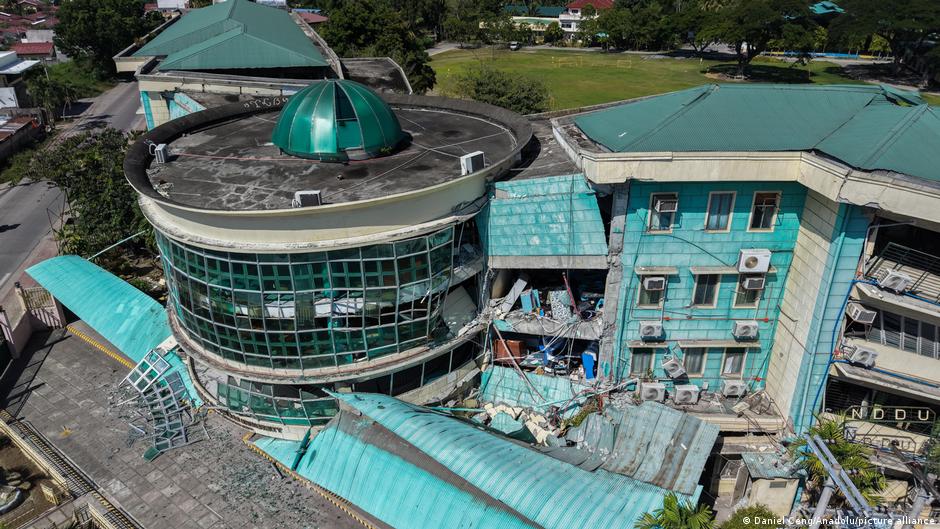
Mindanao Quake Rescue Efforts Continue Roughly 20000 Displaced

dailystar.co.uk
Putin Is Ready Use Means

express.co.uk
Russia Threatens NATO Nuclear Armageddon
islamicinvitationturkey.com
Exclusive New Iaea Draft Resolution Reintroduces Claims of Irans Non Compliance Overlooking Context of Two Imposed Wars

miragenews.com