www.newsday.co.zw ·
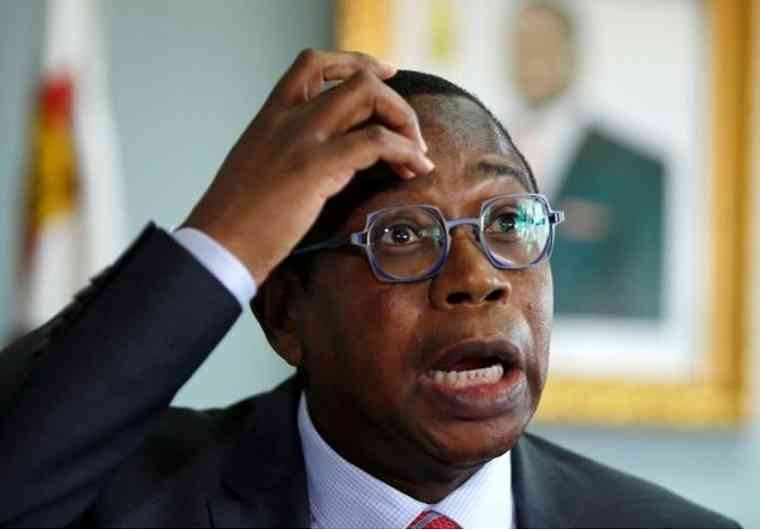
Govt Defends High Interest Rates Amid Battle to Keep Inflation in Single Digits
Topic context
This topic has been covered 363306 times in the last 30 days across our monitored publishers.
The full article is on the original publisher site. This page only shows the headline and a very short excerpt.
AI insight
AI-generatedZimbabwe's high interest rate (35%) is a monetary policy tool to anchor inflation and support the new ZiG currency. The mechanism is regulatory (monetary policy) affecting borrowing costs for businesses and consumers in Zimbabwe. Impact is country-specific (Zimbabwe). No direct commodity or global supply chain link; the channel is domestic credit conditions and currency stability. Weak commercial mechanism for global sectors; primarily affects local EM_MARKETS via cost of capital and currency risk.
Signals our AI researcher identified
Extracted by our AI model from this article and related public sources — not direct quotes from the publisher.
- Zimbabwe's interbank policy rate is 35% as of September 2024.
- Inflation stands at 4.1% in 2025.
- Finance Minister Mthuli Ncube defends high rates to maintain single-digit inflation.
- Structured currency Zimbabwe Gold (ZiG) introduced alongside the rate.
- Gradual easing possible if inflation remains stable.
High policy rates may lead to reduced credit growth; direction down with 50-100bps margin compression expected over 2-4 weeks.
Sign in to see all sector verdicts, full thesis and counter-argument debate.
Sector impact at a glance
- EM_MARKETSmid
Related stories
winnipegfreepress.com
US Sanctions Tanzanian Police Chief Over Human Rights Violations

upi.com
latam us Cuba sanctions

bankingnews.gr
Airline Market Crash Ryanair Warns of Armageddon Scenario and Bankruptcies Amid Aviation Fuel Crisis

economictimes.indiatimes.com
US Stock Market Fed Split Widens as Policymakers Debate Inflation and Growth Risks
finance.yahoo.com