www.castanetkamloops.net ·
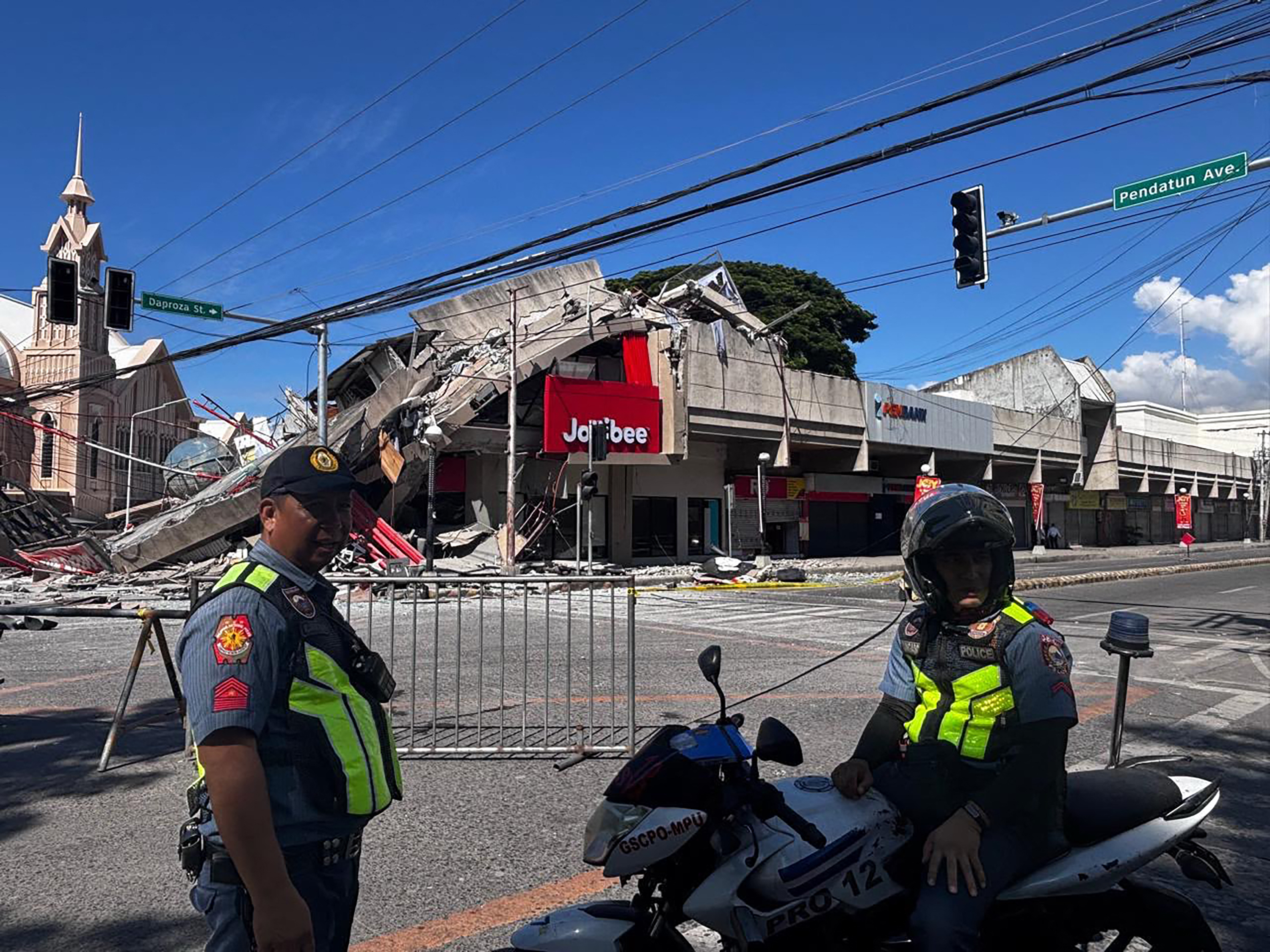
20 000 people displaced by the Philippine earthquake that killed at least 37

Topic context
This topic has been covered 280966 times in the last 7 days across our monitored publishers.
The full article is on the original publisher site.
AI insight
AI-generatedThe earthquake drives immediate, acute demand spikes for construction materials (Cement/Steel) and industrial inputs (Machinery Parts), causing short-term price increases of 1-5% to 5-10%. The most significant commercial signal is the strong mid-term rebound in specialized ground transport rates (LOGISTICS_SHIPPING). Key risk: Government procurement rules or standardized bidding processes may moderate the immediate pricing power and margin expansion for contractors.
The earthquake causes immediate physical damage (houses, infrastructure) leading to a sharp increase in post-disaster reconstruction demand. This directly impacts the construction and industrial sectors in the Philippines. The closure of the international airport severely disrupts local logistics and transportation networks.
Signals our AI researcher identified
Extracted by our AI model from this article and related public sources — not direct quotes from the publisher.
- 7.8 magnitude earthquake struck Mindanao, Philippines (June 8, 2026)
- Over 20,000 people displaced; 2,000 houses and 117 government buildings affected
- International airport in General Santos closed
- 63 domestic flights cancelled
Affected products & commodities
- Construction materials
- Temporary housing/shelter supplies
- Local transport services (air, ground)
Supply-chain signals
- Philippine domestic air travel capacity
- General Santos airport operational status
- Post-disaster reconstruction input supply
Historical parallels
- Major natural disasters typically cause immediate spikes in demand for construction materials (cement, steel) and temporary shelter supplies, followed by a slowdown due to labor shortages or disrupted supply chains.
This analysis would be wrong if
If government aid funds mandate bulk purchasing via centralized tenders, thereby capping contractor margins; OR if alternative regional supply routes are quickly established, mitigating acute local scarcity.
Specialized structural components and temporary housing solutions will see sustained margin increases (10-25%) over the next 1-4 weeks. Key risk: Sustained demand is robust despite potential governmental price caps.
Sign in to see all sector verdicts, full thesis and counter-argument debate.
Sector impact at a glance
- EM_CONSTRUCTIONmid
- EM_CONSTRUCTIONshort
- GLOBAL_INDUSTRIALSshort
- LOGISTICS_SHIPPINGmid
- LOGISTICS_SHIPPINGshort
Related stories

rediff.com
Pakistans Airstrikes on Afghanistan a Violation of Sovereignty India Tells UN

cbc.ca
earthquake philippines day 2 9.

thelinkpaper.ca
Philippines Earthquake of 7 8 Magnitude Kills 35 Triggers Tsunami

punchng.com
Kwankwaso Faults Security Strategy Seeks Urgent Reforms
hngn.com