timesofindia.indiatimes.com ·
Iran Hits Back at Rubios Energy Hostage Remark Blames US Sanctions for Global Market Turmoil
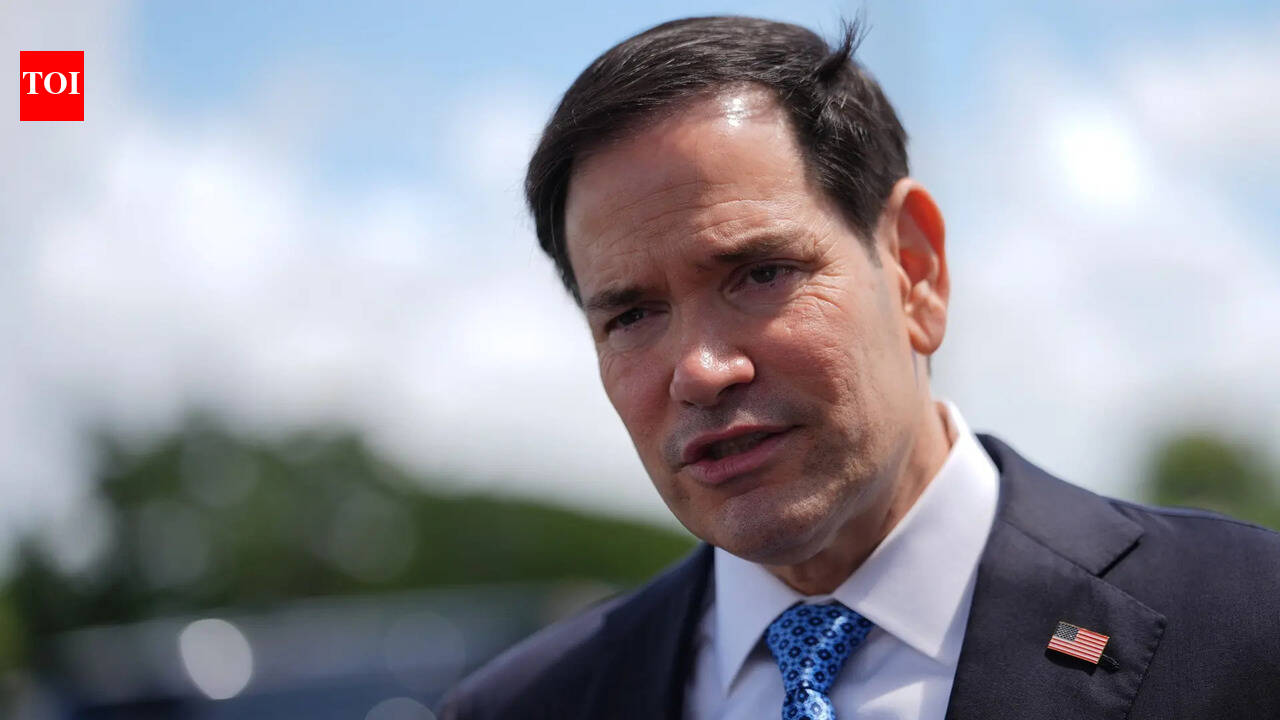
The full article is on the original publisher site. This page only shows the headline and a very short excerpt.
AI insight
AI-generatedThe article reports a geopolitical escalation: U.S./Israeli strikes on Iran and subsequent Iranian tightening of control over the Strait of Hormuz, a chokepoint for ~20% of global oil transit. This directly threatens crude oil and LNG supply from the Middle East, raising freight and insurance costs. The channel is supply_shortage (Strait closure risk) and logistics (transit time/insurance). Impact is global but particularly acute for Asian importers like India, which is seeking U.S. energy diversification. Winners: U.S. oil/gas exporters (diversification demand). Losers: Iranian crude buyers, refiners dependent on Hormuz transit. The mechanism is concrete: a supply disruption event with historical precedent of price spikes.
Signals our AI researcher identified
Extracted by our AI model from this article and related public sources — not direct quotes from the publisher.
- U.S. Secretary of State Marco Rubio accused Iran of holding global energy market hostage during a visit to New Delhi.
- Iran's embassy in India rejected the accusation, blaming U.S. sanctions for market disruptions.
- Crisis affecting global energy flows began on February 28, 2026, following U.S. and Israeli strikes on Iran.
- Tehran tightened control over the Strait of Hormuz after the strikes.
- Rubio discussed energy cooperation with PM Modi, emphasizing U.S. energy products to diversify India's supply.
Tanker rates and war risk premiums surge 10-20% on Hormuz transit risk.
Sign in to see all sector verdicts, full thesis and counter-argument debate.
Sector impact at a glance
- EM_MARKETSmid
- EM_MARKETSshort
- GLOBAL_ENERGYshort
- LNG_NATGASmid
- LNG_NATGASshort
- LOGISTICS_SHIPPINGmid
- LOGISTICS_SHIPPINGshort
- OIL_GAS_UPSTREAMmid
- OIL_GAS_UPSTREAMshort