www.yahoo.com ·
India Fertility Rate Falls Below

Topic context
This topic has been covered 302924 times in the last 7 days across our monitored publishers.
The full article is on the original publisher site.
AI insight
AI-generatedIndia's TFR decline signals structural growth in specialized healthcare (NCD/Geriatrics) and related construction over the mid-term. The most durable risk is that policy shifts are slow, requiring multi-year planning cycles rather than immediate market reactions.
The decline in India's Total Fertility Rate (TFR) signals long-term demographic shifts, leading to potential future labor shortages and an aging population structure. This primarily affects the demand side: reducing the working-age population pool (labor supply shock) and increasing the dependency ratio on healthcare/pensions. The immediate commercial impact is a structural shift in consumer spending patterns and increased state expenditure on incentives/social welfare programs, rather than a direct commodity price movement.
Signals our AI researcher identified
Extracted by our AI model from this article and related public sources — not direct quotes from the publisher.
- India's Total Fertility Rate (TFR) fell to 1.9 children per woman.
- The TFR is below the 2.1 threshold for population stability.
- Decline attributed to better education, contraceptives, and rising child-rearing costs.
- New Delhi has a TFR of 1.2; Bihar has a TFR of 2.9.
- Some states are offering financial rewards for larger families.
Affected products & commodities
- Labor force participation
- Healthcare services (geriatric care)
- Education services
- Consumer goods for young families
Supply-chain signals
- Long-term labor supply capacity in India
- Demand structure for consumer staples and healthcare services
Historical parallels
- Demographic transitions (e.g., Japan, South Korea) typically lead to increased investment in automation/robotics (capex cycle shift) and structural labor shortages, driving up wages or necessitating immigration policies.
This analysis would be wrong if
If state government funding for large infrastructure or social welfare programs proves insufficient, delayed, or subject to sudden political changes.
Significant structural growth expected in specialized healthcare sectors due to aging demographics. Key risk: Policy formalization and capex cycles require years of planning, not weeks.
Sign in to see all sector verdicts, full thesis and counter-argument debate.
Sector impact at a glance
- CONSUMER_STAPLESmid
- CONSUMER_STAPLESshort
- EM_CONSTRUCTIONmid
- EM_CONSTRUCTIONshort
- GLOBAL_HEALTHCAREmid
- GLOBAL_HEALTHCAREshort
Related stories

mb.com.ph
Death Toll From M78 Sarangani Quake Rises to 37 Rescuers Search for Missing Trapped Victims

juancole.com
Iran Axis Empire

aljazeera.com
Indias Fertility Rate Falls Below Replacement Level Why It Matters
downtoearth.org.in
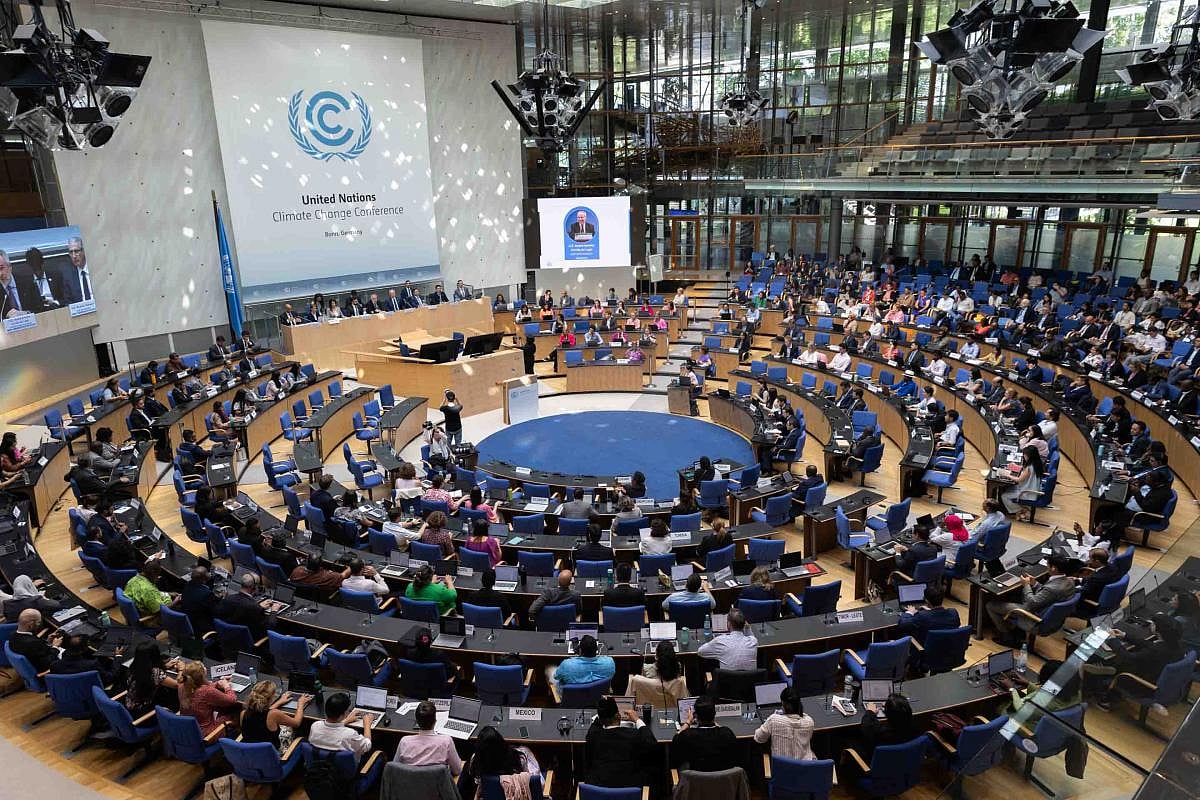
Bonn Climate Conference 2026 Mid Year Climate Talks to See Adaptation Fossil Fuels and Delivery in Focus
dailypost.ng