www.sbs.com.au · · AU
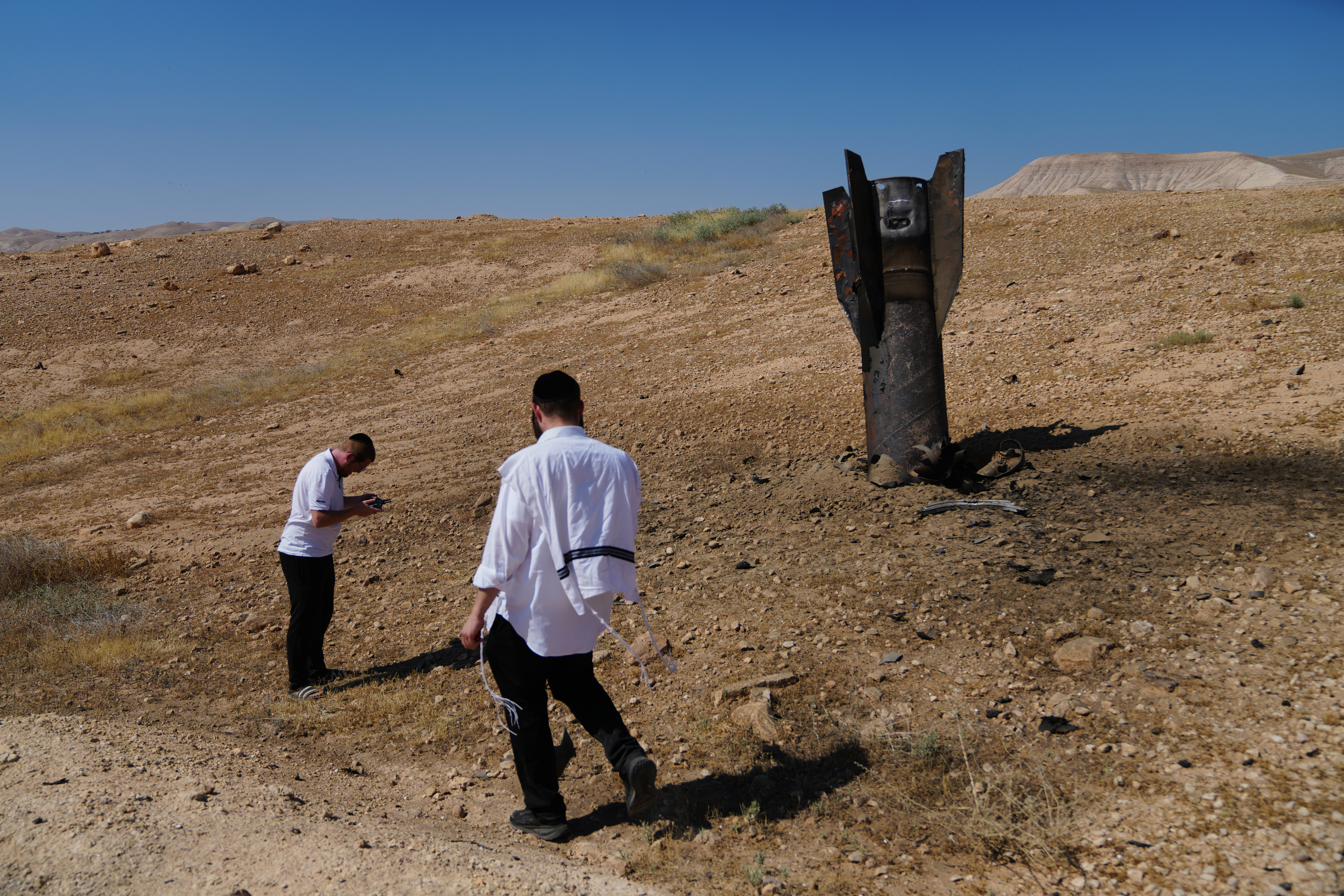
Iran and Israel Agrees to Cease Attacks After First Strikes Since the Truce
The full article is on the original publisher site.
AI insight
AI-generatedGeopolitical de-escalation is expected to cause a minor downward adjustment in oil and gas pricing (Brent Crude) over the next 24-48h, while stabilizing shipping insurance costs. The overall commercial signal suggests risk premium removal will stabilize global supply chains but will not drive significant asset appreciation. Main risk: If the initial price movement or cost stabilization is viewed as a temporary 'relief rally,' the gains could quickly unwind.
The news describes a cessation of military conflict between Iran and Israel. While this is geopolitical, the immediate commercial impact relates to regional stability affecting energy supply routes (e.g., Strait of Hormuz) and general industrial/trade activity in the Middle East region. The primary mechanism is risk reduction leading to potential stabilization of commodity prices and trade flow.
Signals our AI researcher identified
Extracted by our AI model from this article and related public sources — not direct quotes from the publisher.
- Iran and Israel agreed to cease mutual attacks.
- Clashes began on April 8, resulting in 15 injuries in Iran.
- Israeli airstrikes in Lebanon resulted in multiple casualties, including seven deaths.
Affected products & commodities
- Regional shipping insurance premiums
- Oil and Gas supplies from the Middle East
Supply-chain signals
- Red Sea/Strait of Hormuz transit security
- Middle Eastern energy infrastructure stability
Historical parallels
- Past de-escalation periods in the Middle East typically lead to a decrease in geopolitical risk premiums applied to oil and shipping insurance, stabilizing commodity prices.
This analysis would be wrong if
If sustained, verifiable infrastructure damage or renewed conflict escalation occurs in key transit chokepoints (e.g., Strait of Hormuz) within 7 days.
Longer-term stability will allow EM markets to focus on structural reforms rather than geopolitical risk mitigation over the next 2-4 weeks. The key risk is that global interest rate movements remain the primary headwind.
Sign in to see all sector verdicts, full thesis and counter-argument debate.
Sector impact at a glance
- EM_MARKETSmid
- GLOBAL_ENERGYmid
- GLOBAL_ENERGYshort
- GLOBAL_INDUSTRIALSmid
- GLOBAL_INDUSTRIALSshort