dunyanews.tv ·
956156 lhc rejects petition against electricity capacity charges tariff poli
News Analysis — AI Analysis
Original analysis generated by News Analysis. This is our own commentary on the story, not the publisher's article text.
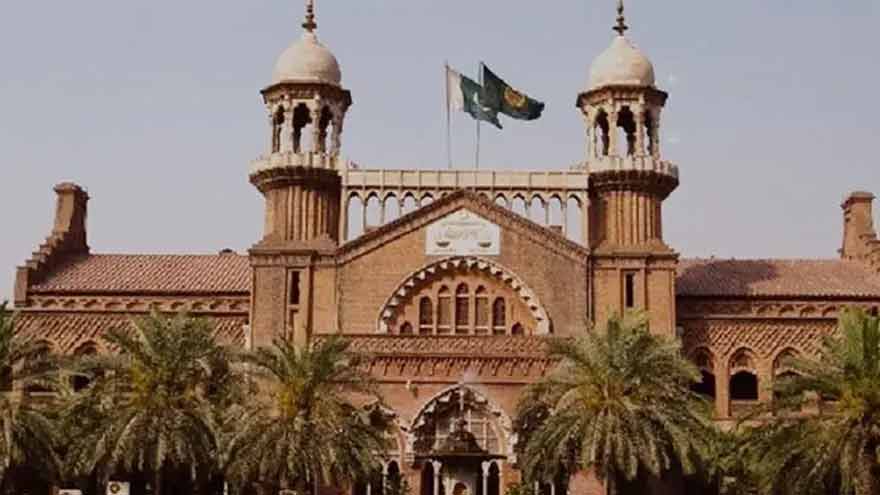
The Lahore High Court dismissed a legal challenge concerning electricity capacity charges and tariff policies, ruling that such economic and regulatory decisions are within the jurisdiction of the government and Parliament. The court emphasized that it cannot act as an appellate body for policy disagreements or regulate the energy sector's financial structures.
Key points
- The LHC dismissed a petition filed by Ashba Kamran challenging electricity capacity charges and tariffs, deeming it non-maintainable.
- Justice Ahmad Nadeem Arshad ruled that energy sector policy-making belongs to the government and Parliament, not the judiciary.
- The court stated its inability to act as an auditor or regulator for economic and financial policies.
- Judicial intervention is only appropriate when addressing unlawful actions, respecting the separation of powers doctrine.
- The LHC also ruled that directing payments to Independent Power Producers (IPPs) falls outside judicial authority.
Claims assessed
- VerifiablePolicy-making regarding energy sector tariffs and capacity charges is under the jurisdiction of the government and Parliament, not the judiciary.
- VerifiableThe Lahore High Court cannot function as an appellate forum for disagreements concerning economic or regulatory policies.
- VerifiableA constitutional petition challenging policy is only justified if there is a violation of fundamental rights, not merely disagreement with the policy.
Missing context
The article does not provide details regarding the specific financial impact of capacity charges or what alternative regulatory mechanisms might be available to petitioners who disagree with the current tariff structure.
Topic context
Related topics
The full article is on the original publisher site.
AI insight
AI-generatedThe legal ruling provides immediate structural support, pushing Pakistani electricity tariffs and capacity charges moderately higher in the short term (2-4% uplift). However, this positive signal is tempered by significant risks: sustained margin increases are vulnerable to external economic shocks, and industrial users face localized power bottleneck risk.
This legal ruling reinforces the government's regulatory autonomy over electricity pricing (capacity charges/tariffs) in Pakistan. The dismissal limits judicial oversight, solidifying the current revenue collection mechanism for Independent Power Producers (IPPs), which is positive for utility revenues but signals limited recourse for consumers or industry stakeholders regarding cost increases. This is a country-specific signal affecting Pakistani utilities and industrial power consumption.
Signals our AI researcher identified
Extracted by our AI model from this article and related public sources — not direct quotes from the publisher.
- Lahore High Court dismissed petition against electricity capacity charges and tariffs.
- Court ruled that such matters fall under government authority.
- The court declined to act as a regulator or auditor.
Affected products & commodities
- Electricity capacity charges
- Electricity tariffs
Supply-chain signals
- Regulatory framework stability for IPPs
- Government authority over utility pricing
Historical parallels
- (not specified)
This analysis would be wrong if
If administrative bottlenecks prevent rapid billing cycle realization OR if a major foreign exchange shock forces government intervention/subsidy mandates.
Electricity tariffs and capacity charges are expected to see a moderate upward pressure in the short term. The key risk is that legal certainty does not guarantee immediate cash flow improvement due to existing administrative bottlenecks.
Sign in to see all sector verdicts, full thesis and counter-argument debate.
Sector impact at a glance
- EM_UTILITIESshort
- GLOBAL_INDUSTRIALSshort
Related stories
euronews.com
Inside the Eus Struggle to Police Chinas Tariff Circumvention
bankingnews.gr
Three Scenarios for Cuba a Plan of Asphyxiation and Military Invasion Children Are Dying Due to Trump S Sanctions
bankingnews.gr
three scenarios for cuba a plan of asphyxiation and military invasion children are dying due to trump s sanctions title=
energy-pedia.com
Alcazar Energy Partners Signs Acquisition Terms With Nrea in Respect of the 580 Mw Gabel El Zeit Wind Project in Egypt

koreatimes.co.kr