thesun.ng · · NG
EU Sanctions Iranian Officials Over Strait of Hormuz Disruptions
News Analysis — AI Analysis
Original analysis generated by News Analysis. This is our own commentary on the story, not the publisher's article text.
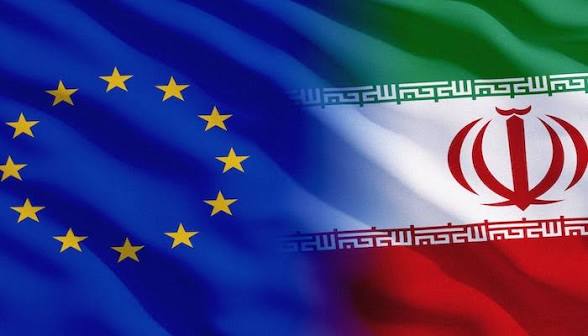
The European Union (EU) has imposed sanctions on two Iranian officials and an IRGC unit in response to disruptions in the Strait of Hormuz, a critical global oil trade route. These measures are the first under the EU's new freedom of navigation framework, signaling a tougher stance against threats to international shipping. The decision highlights growing European concern over the vulnerability of key maritime routes amid rising geopolitical tensions.
Key points
- The sanctions target specific Iranian entities and individuals, including officials from the IRGC Navy and an oil exporters' union representative.
- This action is framed as the first practical use of the EU’s newly established freedom of navigation framework.
- The move follows heightened tensions after Iran allegedly attempted to shut down traffic through the Strait following U.S.-Israeli strikes on Iran.
- The Strait of Hormuz is vital, serving as a main export route for crude oil and petroleum products, with an estimated 20% of global oil consumption passing through it.
- EU officials stated that the disruption of international shipping requires a firm and coordinated response.
Claims assessed
- VerifiableThe EU imposed sanctions on Iranian officials and an IRGC unit due to disruptions in the Strait of Hormuz.
- VerifiableThese sanctions utilize a new EU mechanism designed to protect international shipping routes and deter threats to maritime security.
- VerifiableThe disruption in the Strait of Hormuz is considered an issue of major international economic significance because 20% of global oil consumption passes through it.
Missing context
The article does not specify whether the named Iranian officials or units were directly responsible for the alleged disruptions, nor does it provide details on the specific nature of the 'hostilities' that preceded the sanctions announcement.
Topic context
This topic has been covered 264514 times in the last 7 days across our monitored publishers.
Related topics
The full article is on the original publisher site.
AI insight
AI-generatedEU sanctions increase geopolitical risk, driving moderate upward pressure on crude oil and petrochemical futures within days. Global shipping rates are also expected to rise due to increased war risk premiums. Main risk: The predicted magnitude of immediate spikes is likely overstated by market panic; strategic reserves and established contingency plans will dampen the most extreme short-term movements.
The EU imposing sanctions on Iranian officials due to disruptions in the Strait of Hormuz directly impacts global oil and petrochemical supply. This action increases geopolitical risk, potentially leading to supply shortages (supply_shortage) or mandatory rerouting/insurance cost hikes for maritime trade passing through this critical chokepoint. The primary affected commodities are crude oil and refined petroleum products.
Signals our AI researcher identified
Extracted by our AI model from this article and related public sources — not direct quotes from the publisher.
- EU sanctions Iranian officials
- Sanctions relate to Strait of Hormuz disruptions
- Targeted entities include Iran Oil and Petrochemical Products Exporter Union
Affected products & commodities
- Crude Oil
- Petrochemical Products
- Shipping Insurance Premiums
Supply-chain signals
- Strait of Hormuz transit security
- Global maritime insurance rates (War Risk)
Historical parallels
- Previous sanctions/conflict in the Persian Gulf have historically led to immediate spikes in crude oil futures and increased tanker freight rates due to perceived supply risk.
This analysis would be wrong if
If major global oil players announce significant increases in available strategic reserve releases, or if a concrete timeline for sanctions enforcement/disruption is not published.
Sustained risk and rerouting will maintain a higher price floor for crude oil over the next month. The key risk is that increased transport costs are factored into regional basis rather than global benchmark prices.
Sign in to see all sector verdicts, full thesis and counter-argument debate.
Sector impact at a glance
- COMMODITY_OILmid
- COMMODITY_OILshort
- EM_INDUSTRIALSmid
- EM_INDUSTRIALSshort
- GLOBAL_ENERGYmid
- GLOBAL_ENERGYshort
- LOGISTICS_SHIPPINGmid
- LOGISTICS_SHIPPINGshort
Related stories
irishtimes.com
Trump Says Pilots of US Helicopter That Crashed in Strait of Hormuz Are Fine
thenationalnews.com
Middle East Israel Iran US Security

swissinfo.ch
Protests in Switzerland Less Radical but Just as Frequent as Elsewhere

cbc.ca
strait of hormuz helicopter apache 9.

swissinfo.ch