www.wcbi.com ·
Nearly Half of Americans Say Theyre Worse Off Financially Than a Year Ago Ny Fed Finds

Topic context
This topic has been covered 137312 times in the last 7 days across our monitored publishers.
The full article is on the original publisher site.
AI insight
AI-generatedThe combination of negative household balance sheets and rising energy costs will suppress discretionary spending (GLOBAL_CONSUMER_DISCRETIONARY) in the short term. The USD is expected to weaken moderately over the medium term, while EM currencies face persistent depreciation risk. Main risk: if geopolitical risks escalate significantly, capital flight could temporarily strengthen the USD or provide temporary support to volatile EM currencies.
The report signals significant consumer financial strain in the US, evidenced by high rates of perceived worsening finances and rising credit card delinquencies. The primary commercial mechanism is a negative shift in household balance sheets (cost-of-living shock), which will likely suppress discretionary spending and put downward pressure on retail sales volumes and pricing power for non-essential goods. This consumer weakness also suggests potential future demand dampening, impacting the US economy.
Signals our AI researcher identified
Extracted by our AI model from this article and related public sources — not direct quotes from the publisher.
- 48% of Americans reported financial worsening compared to a year ago.
- Consumer optimism reached its lowest point since October 2022.
- Anticipated annual inflation rate for May is expected to rise to 4.2%.
- Inflation increase driven by increased oil and gas prices due to the Iran war.
Affected products & commodities
- Consumer credit/debt
- Discretionary goods (retail)
- Oil prices
- Gas prices
Supply-chain signals
- US consumer spending cycle
- Energy commodity price pass-through to CPI
Historical parallels
- Periods of geopolitical conflict (e.g., Russia/Ukraine war) have historically driven energy price spikes, leading to immediate inflationary pressures and subsequent consumer spending contraction.
This analysis would be wrong if
If global geopolitical risks escalate dramatically (e.g., major conflict escalation), triggering a 'flight to safety' event that strengthens the USD and provides immediate liquidity/support to key emerging market currencies.
Emerging market currencies face sustained depreciation risk over the medium term due to global slowdown. Expect moderate weakening against USD over the next month.
Sign in to see all sector verdicts, full thesis and counter-argument debate.
Sector impact at a glance
- EM_MARKETSmid
- FX_USDmid
- GLOBAL_CONSUMER_DISCRETIONARYmid
- GLOBAL_CONSUMER_DISCRETIONARYshort
Related stories
newsbusters.org
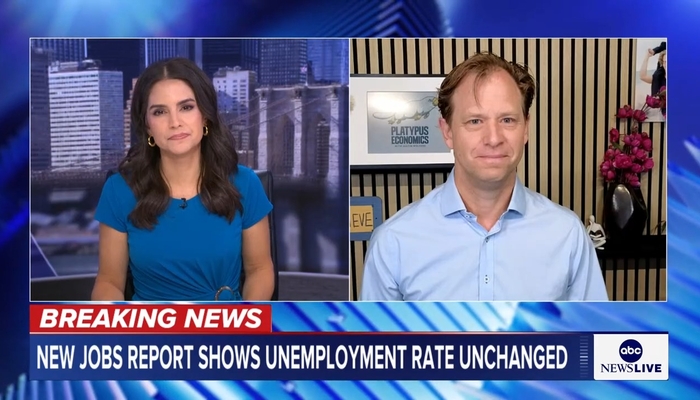
Watch Economist Tells ABC News Its Time Stop All Recession

aljazeera.com
Botswana Diamond Slump Hits Miners Living on the Edge of Survival

miragenews.com
2026 2027 budget growing canberras visitor

eurasiareview.com
09062026 new geometry of innovation chinas path from peripheral outpost to the technological core of global change analysis

timeshighereducation.com