www.vindy.com ·
Israel Iran Pause Strikes
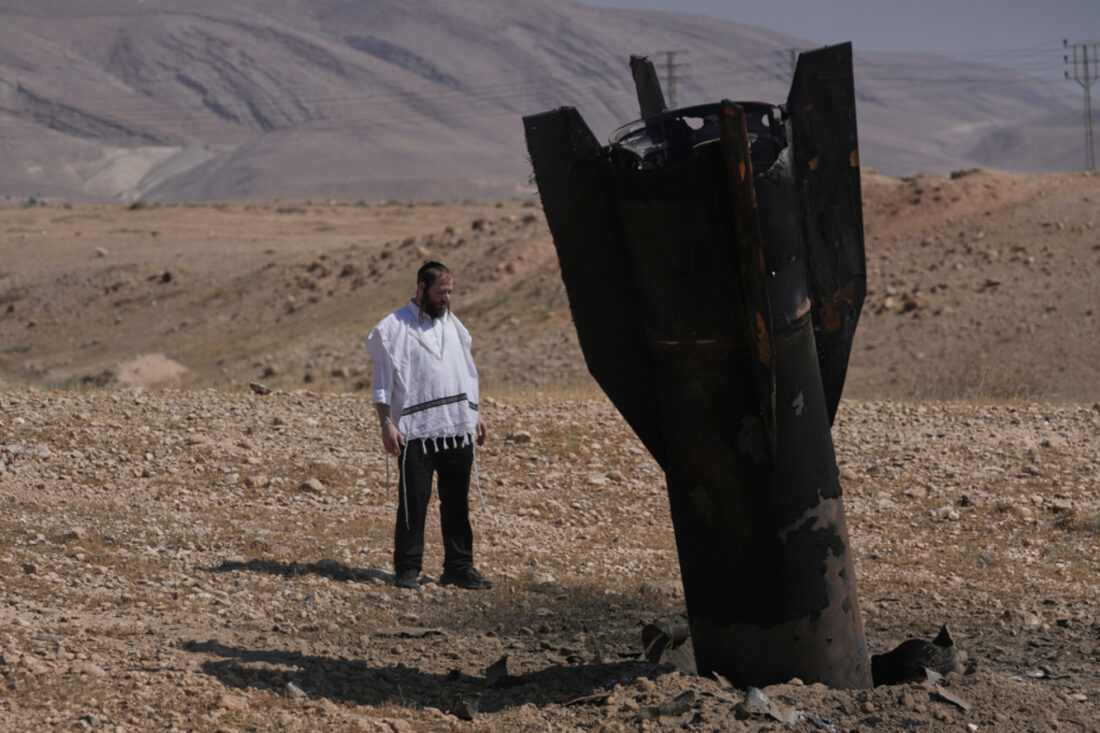
Topic context
This topic has been covered 290254 times in the last 7 days across our monitored publishers.
The full article is on the original publisher site.
AI insight
AI-generatedDe-escalation causes a short-term dip in energy risk premiums for Crude Oil and Energy Transport Insurance (48h; 2-4%), while underlying geopolitical instability keeps long-term oil pricing elevated. Main risk: The structural premium on commodities is likely to be absorbed by higher operational/financing costs rather than being fully passed through the benchmark price.
The de-escalation and lifting of safety restrictions suggest reduced immediate risk premiums for global energy transport, particularly maritime shipping routes (e.g., Red Sea/Strait of Hormuz). However, the history of conflict and continued blockade attempts maintain underlying geopolitical risk, which affects insurance costs and oil tanker transit viability.
Signals our AI researcher identified
Extracted by our AI model from this article and related public sources — not direct quotes from the publisher.
- Israel and Iran de-escalated hostilities following a ceasefire agreement.
- Conflict began with U.S./Israeli strikes on Iran (Feb 28).
- U.S. military actions included disabling an oil tanker attempting to breach a blockade.
- Tensions remain high amid peace deal negotiations.
Affected products & commodities
- Crude Oil
- Oil Tanker Shipping Insurance
- Global Food Commodities (due to regional instability)
Supply-chain signals
- Maritime shipping routes through the Middle East/Red Sea
- Energy supply stability in the region
Historical parallels
- Past regional conflicts (e.g., Strait of Hormuz tensions) typically cause immediate spikes in crude oil and shipping insurance premiums, followed by a gradual decline upon verified de-escalation.
This analysis would be wrong if
If a concrete, verifiable peace treaty is signed and all safety restrictions are lifted permanently, leading to rapid normalization of insurance rates and shipping routes.
Underlying geopolitical risk stabilizes long-term energy pricing for Crude Oil benchmarks (2-4 weeks; 1-3%). Key risk: A sustained period of peace is required to deflate the structural premium.
Sign in to see all sector verdicts, full thesis and counter-argument debate.
Sector impact at a glance
- COMMODITY_OILmid
- COMMODITY_OILshort
- EM_MARKETSshort
- GLOBAL_ENERGYmid
- GLOBAL_ENERGYshort
- LOGISTICS_SHIPPINGmid
- LOGISTICS_SHIPPINGshort
Related stories
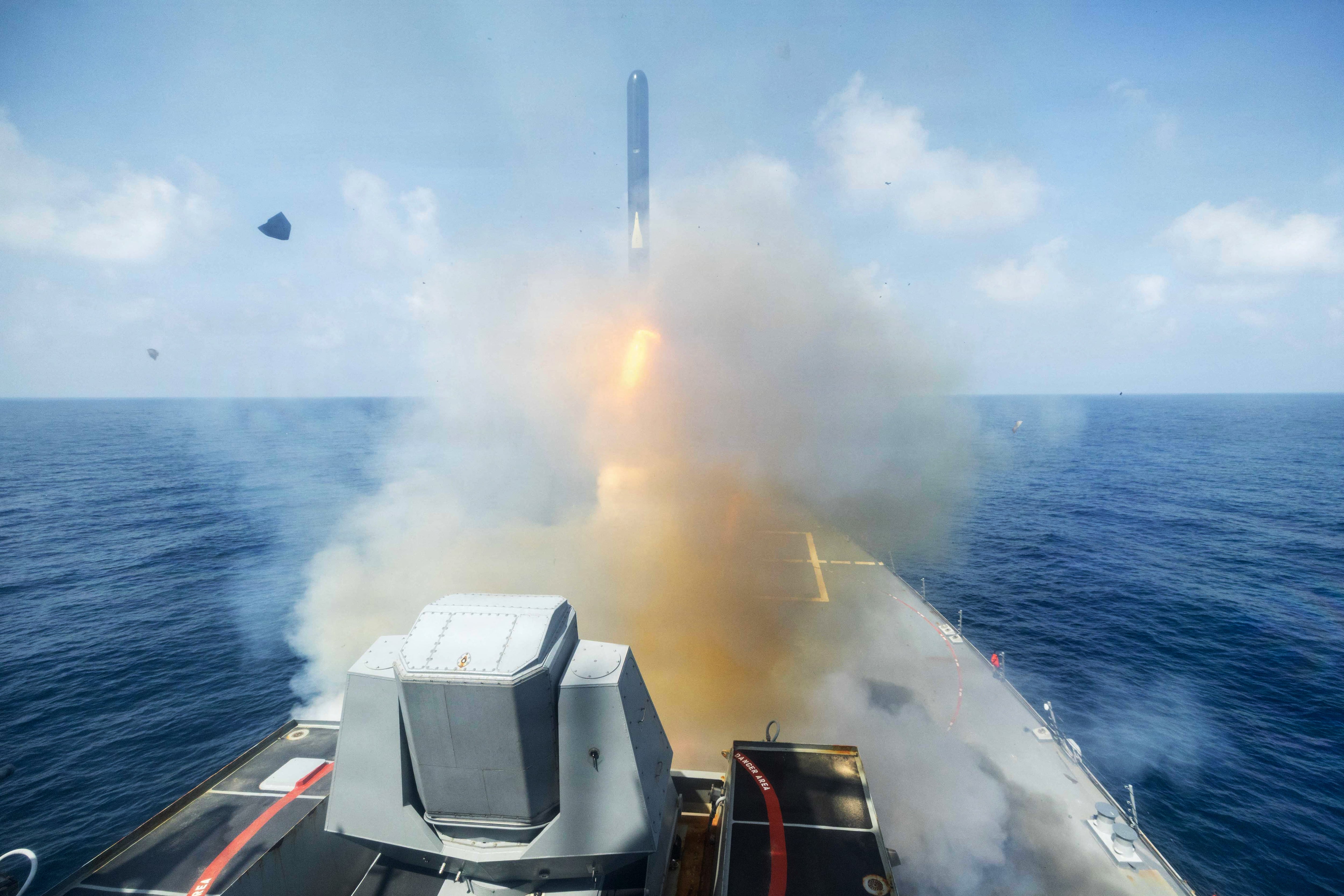
thenationalnews.com
Middle East Israel Iran US Security

swissinfo.ch
Protests in Switzerland Less Radical but Just as Frequent as Elsewhere

cbc.ca
strait of hormuz helicopter apache 9.

swissinfo.ch
Why Dont Voters Want to Tax the Super Rich
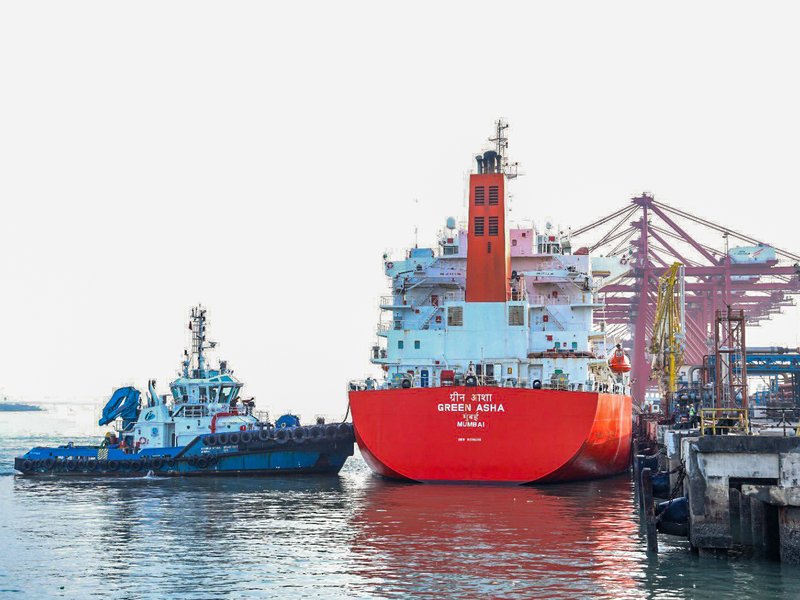
ianslive.in