aa.com.tr · · TR
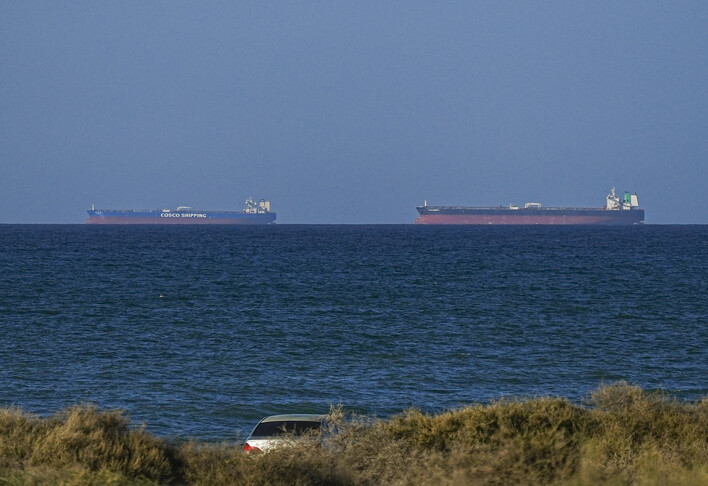
UN Agency Warns Closure of Strait of Hormuz Poses Global Food Security Risk Urges Open Trade
Topic context
This topic has been covered 183168 times in the last 7 days across our monitored publishers.
The full article is on the original publisher site.
AI insight
AI-generatedGeopolitical risk elevates commodity exposure, pushing grain and fertilizer prices up (2-3 magnitude) over the medium term. The key immediate signal is constrained volatility in grains due to strategic reserves. Main risk: If geopolitical tensions fail to escalate or if alternative shipping routes prove highly effective, the structural upward pressure on inputs will dissipate.
The threat of a major chokepoint closure (Strait of Hormuz) directly impacts the maritime transport of agricultural inputs and commodities. This raises concerns about input cost inflation for fertilizers, seeds, and grains, leading to potential supply-side shocks across global food production chains.
Signals our AI researcher identified
Extracted by our AI model from this article and related public sources — not direct quotes from the publisher.
- UN agency warns closure of Strait of Hormuz poses global food security risk.
- The warning urges open trade.
Affected products & commodities
- Global grain shipments
- Fertilizer components
- Oil/Energy (as transport fuel)
Supply-chain signals
- Strait of Hormuz maritime transit risk
- Global shipping routes for agricultural commodities
Historical parallels
- Previous geopolitical chokepoint disruptions (e.g., Suez Canal blockages) have historically led to immediate spikes in global freight rates and commodity prices, particularly impacting energy-intensive goods.
This analysis would be wrong if
If major consuming nations successfully demonstrate sufficient existing strategic grain reserves and stable alternative logistics (rail/air) that absorb initial shocks without requiring immediate price adjustments.
Sustained geopolitical risk will maintain higher long-term pricing power for grains and fertilizers. Input costs are expected to rise structurally.
Sign in to see all sector verdicts, full thesis and counter-argument debate.
Sector impact at a glance
- AGRICULTURE_FOODmid
- COMMODITY_GRAINSmid
- COMMODITY_GRAINSshort
- GLOBAL_ASSET_MANAGERSmid
- GLOBAL_ASSET_MANAGERSshort
Related stories
indianexpress.com
Puducherry Coolie Fined 1 Lakh Weaponising Pil Block Petrol Pump
yahoo.com
Trump Says US Helicopter Pilots

northerndailyleader.com.au
US Pilots Safe From Crash After Israel Iran Halt Fire

juancole.com
Iran Axis Empire

nbcnews.com