www.local10.com ·
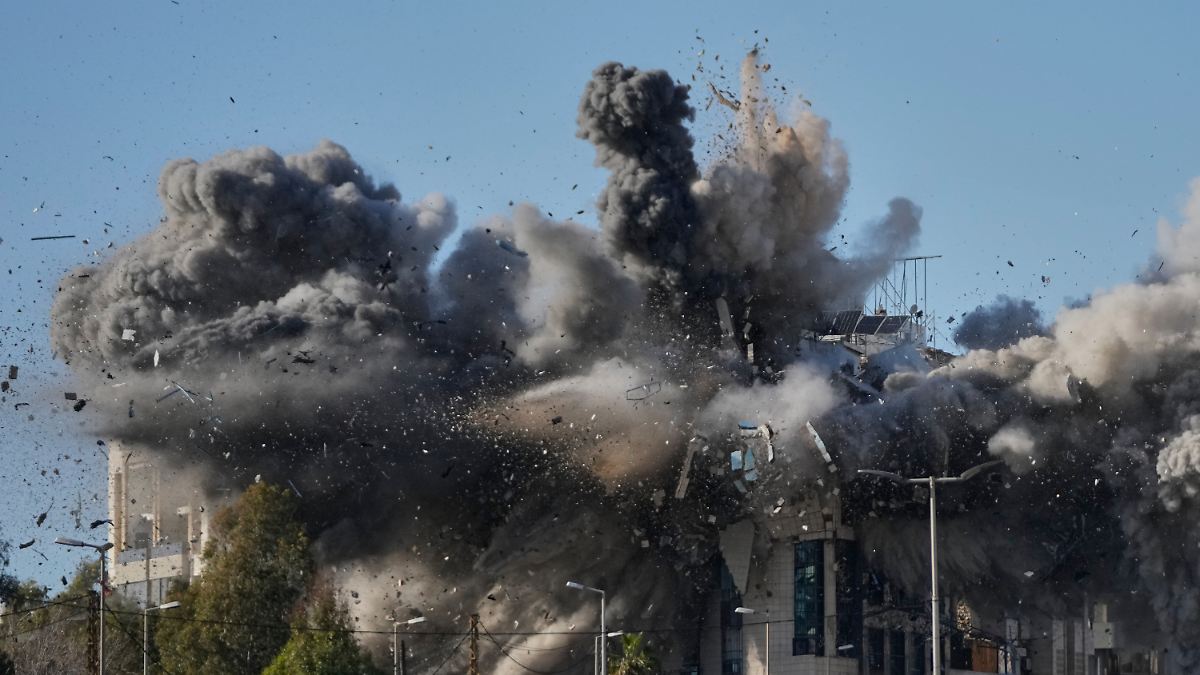
The Latest Israel and Iran Trade Fire in Most Serious Confrontation Since April Truce

Topic context
This topic has been covered 313130 times in the last 7 days across our monitored publishers.
The full article is on the original publisher site.
AI insight
AI-generatedThe geopolitical conflict pushes regional crude oil benchmarks 2-4% higher and drives up maritime insurance/rerouting costs for goods passing through the Middle East. Key risk: The initial short-term spikes in energy and shipping rates may quickly revert if physical infrastructure damage is not confirmed or if carriers successfully negotiate reduced war risk premiums.
The conflict escalation between Israel and Iran introduces significant geopolitical risk, primarily impacting regional maritime routes (e.g., Red Sea/Straits of Hormuz) and energy supply stability. This increases insurance premiums and raises the cost of global logistics/shipping for goods passing through the Middle East. The immediate impact is on consumer confidence and local economic activity in affected countries (Lebanon, Israel, Iraq).
Signals our AI researcher identified
Extracted by our AI model from this article and related public sources — not direct quotes from the publisher.
- Israel and Iran engaged in a significant exchange of fire on June 7, 2026.
- Israeli strikes targeted Beirut (Lebanon), leading to Iranian missile retaliation.
- U.S. communicated that further Israeli attacks would cease if Tehran halted its missile strikes.
- Schools in Israel were closed for the second day due to escalating violence.
- Iraq reopened its airspace after a temporary closure.
Affected products & commodities
- Crude oil (regional price volatility)
- Shipping insurance premiums
- Regional commodity transport services
Supply-chain signals
- Red Sea/Bab el-Mandeb Strait transit security
- Middle East energy infrastructure stability
Historical parallels
- Past conflicts in the Middle East (e.g., Yemen, Gaza) have historically led to temporary spikes in crude oil futures and increased shipping insurance rates for vessels traversing the region.
This analysis would be wrong if
If global inventory buffers prove sufficient to absorb the supply shock, or if major insurance underwriters rapidly normalize war risk premiums following diplomatic de-escalation.
The market will stabilize on new, more expensive trade routes. Regional Commodity Transport Services face a structural cost increase (10-20% premium) over the next month.
Sign in to see all sector verdicts, full thesis and counter-argument debate.
Sector impact at a glance
- EM_MARKETSshort
- GLOBAL_ENERGYmid
- GLOBAL_ENERGYshort
- LOGISTICS_SHIPPINGmid
- LOGISTICS_SHIPPINGshort
Related stories

thehindubusinessline.com
Sensex Nifty50 Today Stock Market Live Updates 9th June 2026
n-tv.de
21 43 Iran Neuer Sicherheitsguertel von Hormus bis zum Roten Meer id

thehindubusinessline.com
Buzzing Stocks Airtel Vodafone Idea Nlc India Tcs Hcl Jsw Energy Panacea Biotec Simplex Castings Avantel

wcbm.com
James Talarico Undergoes Political Reassignment Surgery During His Latest Interview

kold.com