www.sbs.com.au · · AU
As the End of Australias Fuel Tax Cut Period Looms Motorists Brace for Higher Petrol Prices
News Analysis — AI Analysis
Original analysis generated by News Analysis. This is our own commentary on the story, not the publisher's article text.
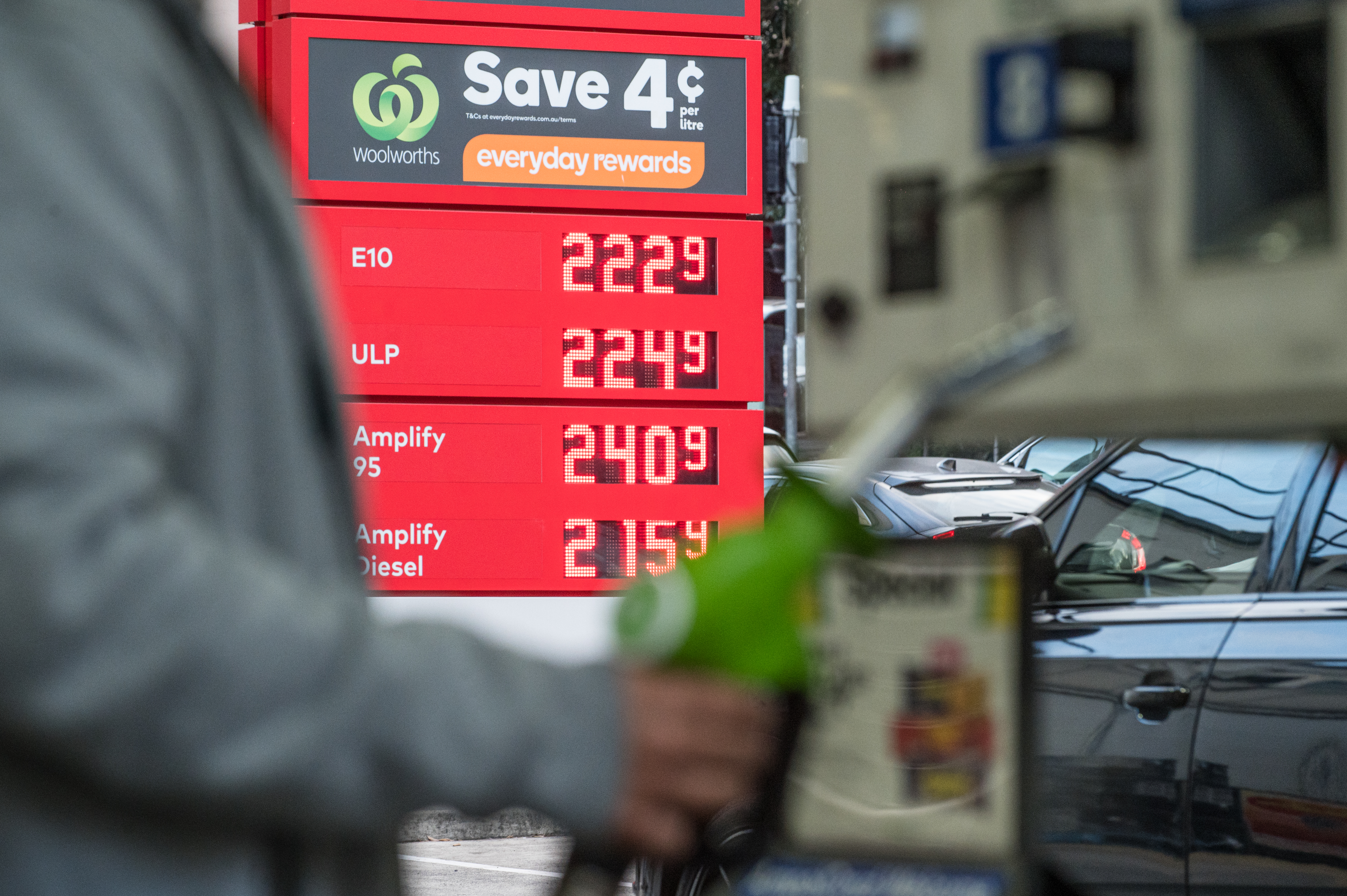
Australia's temporary $2.5 billion fuel excise cut, which was implemented to mitigate rising global oil prices due to Middle East conflict, is scheduled to expire at the end of June. Transport Minister Catherine King confirmed that the government does not plan to extend this measure, warning motorists and businesses to anticipate higher petrol costs. The article also notes Australia's efforts to secure its energy supply through new reserves and international diplomacy.
Key points
- The temporary fuel excise cut of 26 cents per litre is set to end at the close of June.
- Minister Catherine King stated that the government does not intend to extend the measure, despite consulting with industry.
- The initial reduction was implemented by the Albanese government in response to global oil price spikes linked to Middle East conflicts.
- Australia has introduced a $10 billion package aimed at securing energy and fertilizer supply chains.
- Government measures include expanding onshore fuel reserves to 50 days and establishing a permanent, government-owned reserve.
Claims assessed
- VerifiableThe temporary fuel excise cut of 26 cents per litre is set to expire at the end of June.
- VerifiableThe government has indicated that it does not plan to extend the fuel excise reduction measure.
- VerifiableThe initial fuel price cut was a response to soaring global oil prices caused by the war in the Middle East.
- VerifiableAustralia has expanded its onshore fuel reserves and established a permanent government-owned reserve as part of new security measures.
Missing context
The article does not provide specific details regarding the immediate economic impact of the tax cut ending on consumer spending or inflation rates beyond stating that prices will rise.
Topic context
The full article is on the original publisher site.
AI insight
AI-generatedGovernment's $10B security package provides structural support to energy and industrial inputs (Fuel storage capacity/Fertilizer) over the medium term. The most critical signal is that while temporary tax changes create an initial cost shock, this impact is largely mitigated by established industry mechanisms allowing for cost pass-through. Main risk: If government fails to clearly communicate long-term reserve plans or if regulatory hurdles delay infrastructure projects, the positive signals could weaken.
The expiration of the temporary excise cut removes a significant price buffer on petrol (fuel). The government's $10 billion package signals an attempt to mitigate future supply shocks and stabilize input costs, specifically targeting fuel reserves and fertilizer. This directly impacts consumer transport costs and industrial operating margins across Australia.
Signals our AI researcher identified
Extracted by our AI model from this article and related public sources — not direct quotes from the publisher.
- Australian fuel excise cut (26 cents/litre) expires at end of June.
- Government is introducing a $10 billion energy and fertiliser security package.
- Package aims to bolster fuel supply chains, including expanding onshore reserves.
- Increased stock-holding obligations for suppliers are mandated.
Affected products & commodities
- Petrol
- Diesel
- Fertilizer
Supply-chain signals
- Australian onshore fuel reserves capacity
- Fuel supply chain stability in Australia
Historical parallels
- Previous periods of global oil price spikes (e.g., post-Ukraine conflict) have seen governments implement temporary excise cuts, followed by mandated reserve expansions and increased domestic supply controls to manage consumer inflation pass-through.
This analysis would be wrong if
If a concrete project timeline, specific off-take agreement, or detailed mechanism proving sustained margin compression (e.g., inability to pass through costs) is published.
Increased domestic reserve mandates signal long-term structural support for refined petroleum products (Diesel/Petrol) over the next 2-4 weeks. The key risk is that this capacity expansion could lead to oversupply relative to consumption growth.
Sign in to see all sector verdicts, full thesis and counter-argument debate.
Sector impact at a glance
- COMMODITY_OILmid
- COMMODITY_OILshort
- EM_CONSTRUCTIONmid
- EM_CONSTRUCTIONshort
- EM_INDUSTRIALSmid
- EM_INDUSTRIALSshort
- GLOBAL_ENERGYmid
- GLOBAL_ENERGYshort
Related stories

dailykos.com
Corporate Donors to White House Ballroom Win 50 Billion in New Government Contracts Funding Bradcast 6 9 2026

grenadachronicle.com
US Judge Halts Execution by Nitrogen Gas Ruling It Unconstitutional

freiepresse.de
Trump Wird 80 Verpufft Seine Macht Artikel

deccanchronicle.com
Kenyan Protester Killed at Demonstration Against US Ebola Facility

moneycontrol.com