jowhar.com ·
US Military Says Retaliatory Strikes on Iran Are Now Completed
News Analysis — AI Analysis
Original analysis generated by News Analysis. This is our own commentary on the story, not the publisher's article text.
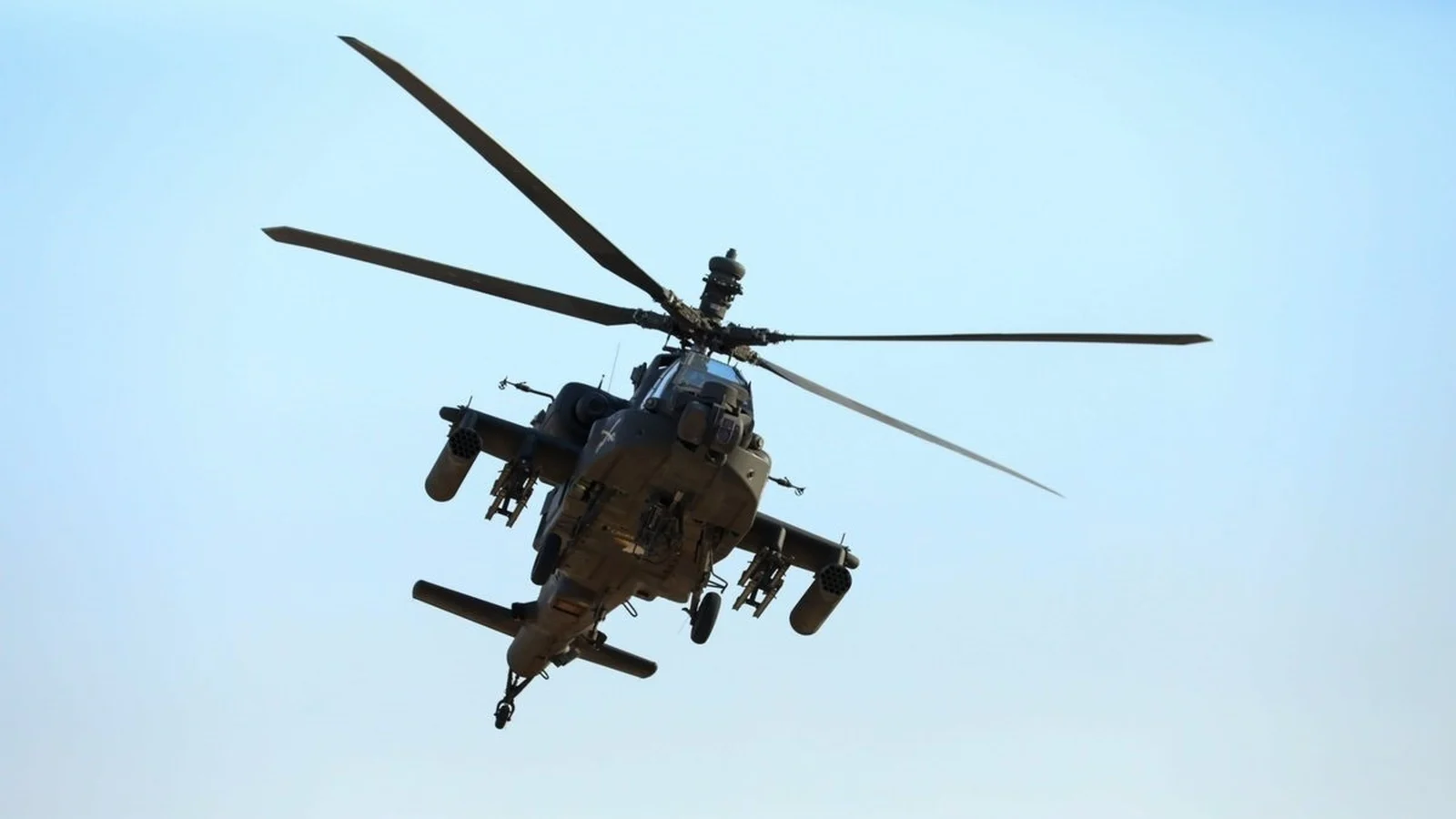
The U.S. military announced that it completed retaliatory strikes against Iran, claiming the action was triggered by an American Apache helicopter being shot down near a critical shipping chokepoint. These escalations deepen existing tensions and complicate efforts to establish peace or reopen trade routes through the Strait of Hormuz. The article also notes separate developments regarding Israeli airstrikes in Lebanon.
Key points
- U.S. Central Command (CENTCOM) stated it conducted self-defense strikes against Iranian air defense, radar sites, and ground control stations near the Strait of Hormuz.
- The alleged trigger for the strikes was an American Apache helicopter downed after President Trump claimed Tehran was responsible.
- Despite the escalation, both the incident and the subsequent strikes could undermine ongoing peace negotiations in the Middle East.
- Iran's Foreign Minister warned that the country would respond to any attack or threat with force.
- The article mentions separate events, including Israeli airstrikes in Tyre, Lebanon, which are hindering broader ceasefire efforts.
Claims assessed
- VerifiableUS forces completed self-defense strikes against Iranian military infrastructure near the Strait of Hormuz.
- VerifiableThe US launched these strikes after President Trump claimed Iran shot down an Apache helicopter in the Strait of Hormuz.
- VerifiableIran's Foreign Minister stated that the country would not leave any attack or threat unanswered.
- UnverifiedThe helicopter was brought down by a one-way Iranian attack drone, according to a US official.
Missing context
The article does not provide independent verification or detailed analysis regarding the specific intelligence used by CENTCOM to justify the strikes, nor does it offer an assessment of which party's claims about the helicopter downing are accurate.
Topic context
The full article is on the original publisher site.
AI insight
AI-generatedThe geopolitical tension pushes Crude Oil and Natural Gas (LNG) futures up moderately in the short term (2-4%); however, initial spikes are expected to be transient due to market adaptation. The most stable signal is sustained upward support for defense spending over the mid-term.
The escalation of conflict in the Middle East (Strait of Hormuz) increases geopolitical risk for global energy supply. The primary commercial mechanism is heightened political instability affecting oil/gas transit routes and insurance costs. This impacts GLOBAL_ENERGY commodity prices, particularly crude oil and LNG, by raising input cost uncertainty and potentially triggering supply shortages.
Signals our AI researcher identified
Extracted by our AI model from this article and related public sources — not direct quotes from the publisher.
- US military conducted retaliatory strikes against Iran.
- Incident occurred near the Strait of Hormuz.
- Strikes targeted Iranian air defense and surveillance sites.
- Tensions between US, Iran, and Israel are escalating.
Affected products & commodities
- Crude Oil
- Natural Gas (LNG)
- Shipping Insurance Premiums
Supply-chain signals
- Strait of Hormuz transit security
- Global oil/gas supply stability
Historical parallels
- Past military escalations in the Middle East have historically led to immediate spikes in crude oil and LNG futures due to perceived disruption risk, followed by volatility based on diplomatic de-escalation efforts.
This analysis would be wrong if
If major consuming nations successfully secure alternative non-Hormuz routes or if diplomatic de-escalation efforts stabilize energy supply and insurance premiums quickly.
Long-term regional instability supports sustained defense spending cycles. The key risk is that profit realization depends on complex government budgeting and contract negotiation.
Sign in to see all sector verdicts, full thesis and counter-argument debate.
Sector impact at a glance
- AEROSPACE_DEFENSEmid
- AEROSPACE_DEFENSEshort
- EM_MARKETSmid
- GLOBAL_ENERGYmid
- GLOBAL_ENERGYshort
Related stories
birgun.net
abd iran gerilimi enerjiyi vurdu petrol fiyatlari 93 dolari asti 717259 class=nav link target= blank
birgun.net
abd iran gerilimi enerjiyi vurdu petrol fiyatlari 93 dolari asti 717259 target= blank
rediff.com
India Is Lucky to Have Both Nehru and Modi

rte.ie
1577653 us iran
timesofindia.indiatimes.com