www.dailysabah.com ·
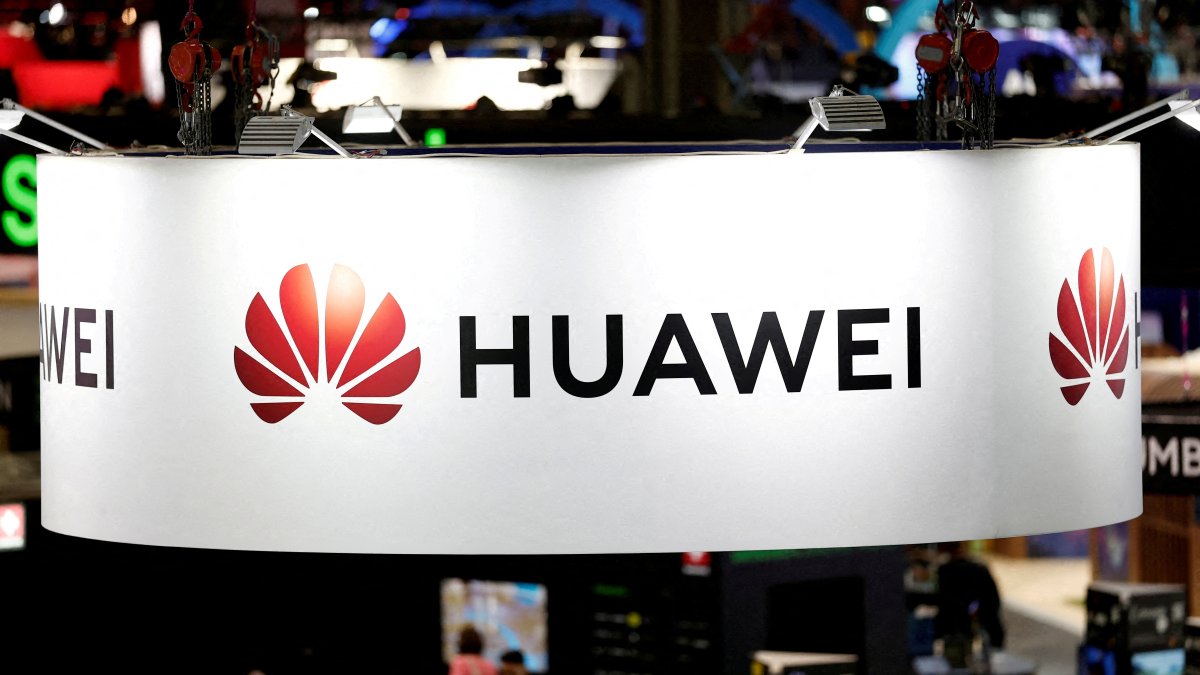
Huawei Unveils Chip Design Breakthrough Amid US Sanctions
Topic context
This topic has been covered 233639 times in the last 7 days across our monitored publishers.
The full article is on the original publisher site.
AI insight
AI-generatedHuawei's chip design breakthrough is a response to U.S. sanctions, aiming to maintain competitiveness in semiconductors and AI. The Tau Scaling Law focuses on data movement efficiency, potentially reducing reliance on advanced lithography. This affects Huawei's own chip supply for smartphones and AI servers, with implications for Chinese semiconductor ecosystem and global chip design competition. Direct commercial impact is on Huawei's product roadmap and its suppliers like SMIC, but near-term revenue/margin changes are not specified.
Signals our AI researcher identified
Extracted by our AI model from this article and related public sources — not direct quotes from the publisher.
- Huawei aims to produce 1.4nm-equivalent chips by 2031 using Tau Scaling Law.
- Kirin smartphone chips launching later this year will use new architecture.
- Ascend AI chips to adopt new architecture by 2030.
- Huawei's Mate 60 series used 7nm chip from SMIC in 2023.
- U.S. sanctions limit Huawei's access to advanced chipmaking tools.
No mid-term impact on AI infrastructure from Huawei's chip roadmap; existing supply chains remain unchanged.
Sign in to see all sector verdicts, full thesis and counter-argument debate.
Sector impact at a glance
- AI_INFRASTRUCTUREmid
- EM_TECHmid
- EM_TECHshort
- SEMICONDUCTORSmid
Related stories
stockhouse.com
Spacex IPO Hype Tests Wall Street S Oldest Rulebook

bankingnews.gr
Everything Melted Oreshnik and Zirkon Reduce Kyiv to Ashes Leaving Ukraine in Shock Russians Shift Strategy to Blood Fire and Death
tribune.com.pk
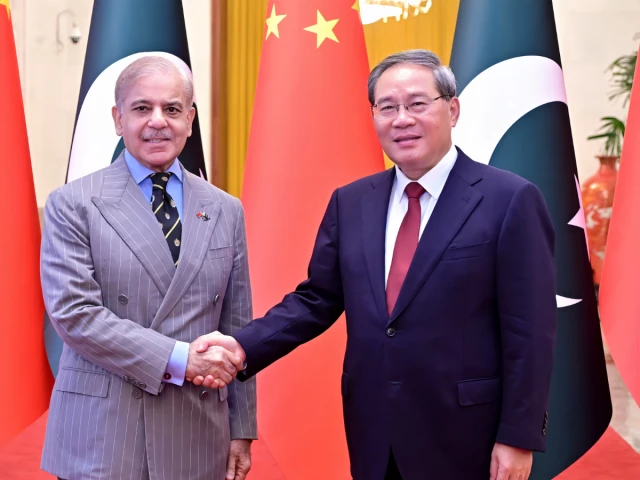
Pakistan Played Very Sincere Role in US Iran Mediation Efforts Pm Shehbaz in Beijing

propakistani.pk
Sitara I Imtiaz Conferred Upon Iobm Founder President Late Mr Shahjehan Syed Karim
ce.cn