www.ibtimes.com ·
Irans Push Fees Worlds Internet Cables Turns Strait Hormuz 20 Global Traffic Weapon
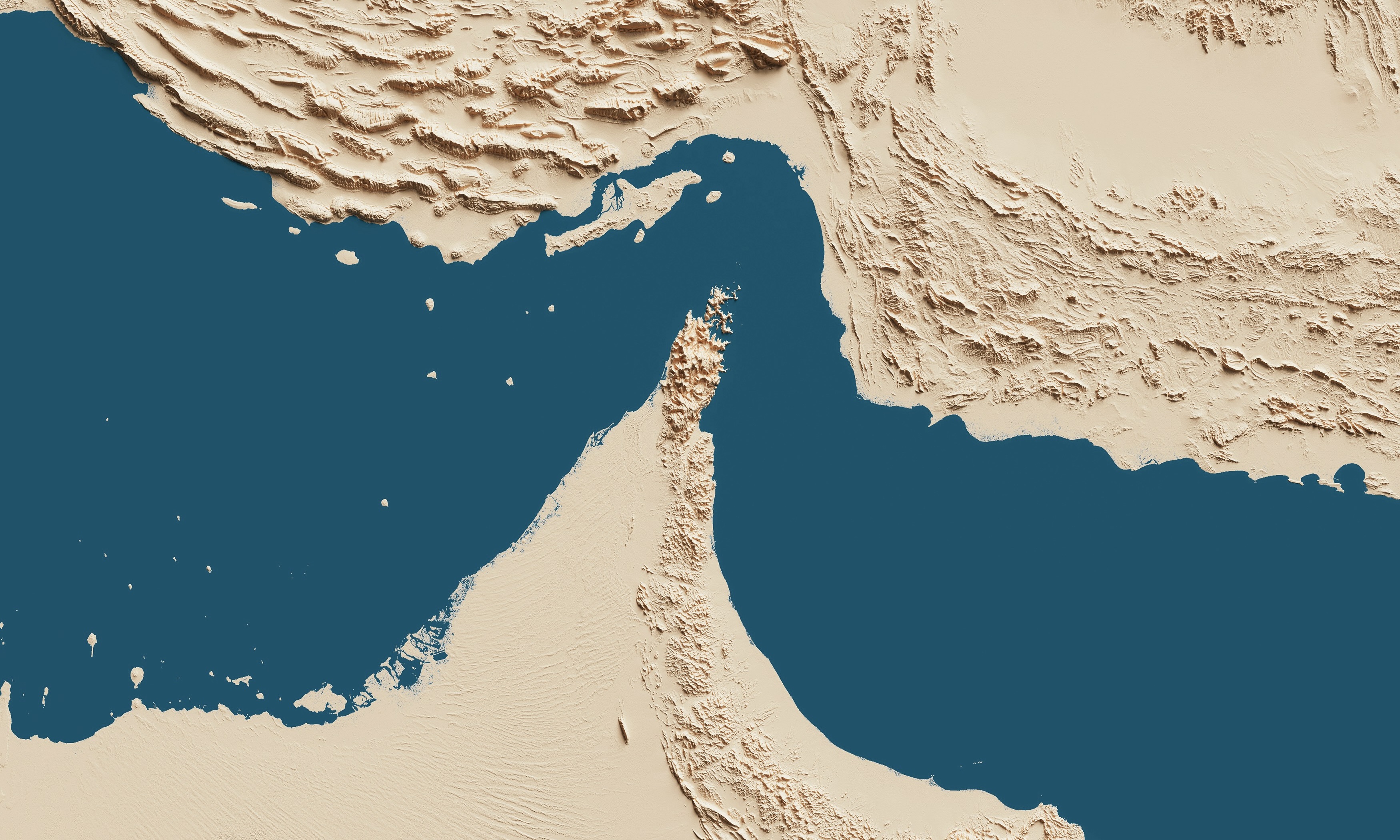
The full article is on the original publisher site. This page only shows the headline and a very short excerpt.
AI insight
AI-generatedIran's proposed fees on undersea internet cables in the Strait of Hormuz could increase operational costs for global tech companies (Google, Microsoft) and telecom operators using those cables. The mechanism is regulatory: new licensing fees and compliance costs. Impact is region-specific (Strait of Hormuz) but affects global data traffic. Direct winners/losers: Iranian government (revenue) vs. foreign cable operators (cost increase). Commercial mechanism is weak as proposal is not yet enacted; uncertainty remains.
Signals our AI researcher identified
Extracted by our AI model from this article and related public sources — not direct quotes from the publisher.
- Iran plans to impose fees on undersea internet cables in the Strait of Hormuz.
- The Strait of Hormuz carries about 20% of global data and financial traffic.
- Proposed measures include charging foreign companies for licenses and requiring compliance with Iranian law.
- Local firms would get exclusive rights for maintenance of submarine cables.
- The IRGC frames cables as a tool for economic and political leverage.