www.rferl.org ·
Russia Fuel Crunch Ukraine Refineries Strikes
News Analysis — AI Analysis
Original analysis generated by News Analysis. This is our own commentary on the story, not the publisher's article text.
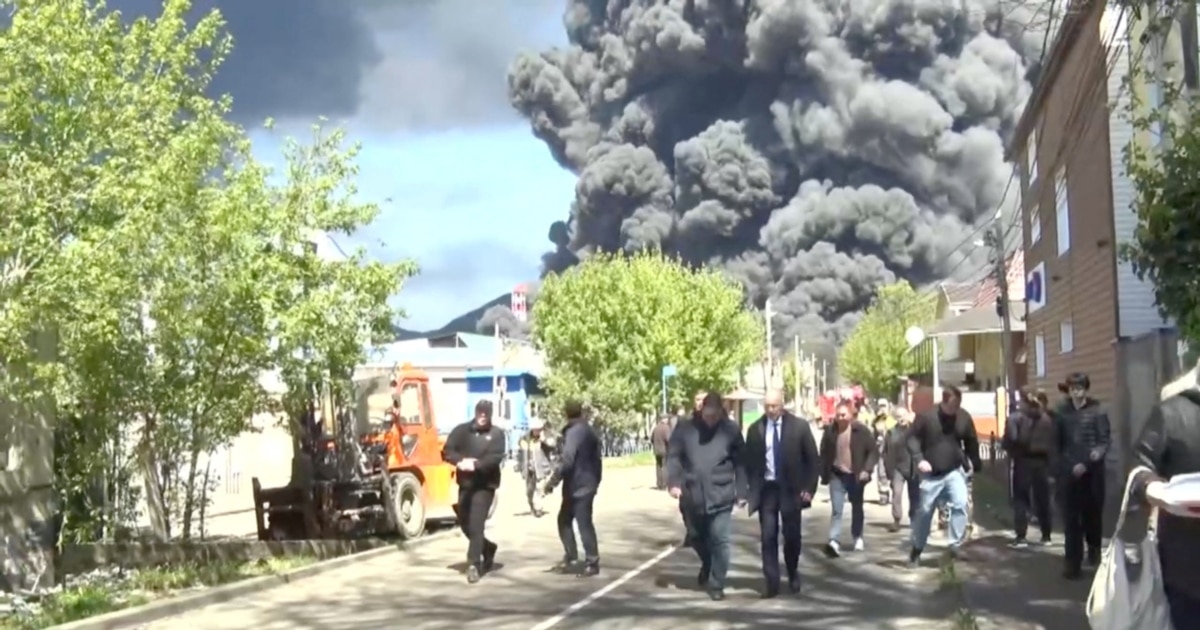
Ukrainian drone strikes have significantly impacted Russia's oil refining capacity by targeting specialized secondary processing units like hydrocrackers. Russian authorities have begun acknowledging that these increased attacks are causing production cuts and fuel shortages. Experts suggest the economic damage is amplified because damaging these sophisticated, hard-to-replace bottlenecks creates longer supply disruptions than hitting simpler primary units.
Key points
- Russia's oil sector has experienced falling production due to 'unscheduled maintenance,' which authorities linked to increased enemy air attacks from Ukraine.
- The damage is attributed not just to the number of strikes, but to a strategic shift toward targeting specialized secondary processing units (e.g., hydrocrackers).
- These secondary units are critical because they perform sophisticated functions like removing sulfur and producing marketable diesel, and their replacement involves long lead times for specialized equipment.
- Data shows Russia's offline capacity in May was significantly higher than a year ago, with hydrocrackers contributing a substantial portion of the reduction.
- A new trend observed is Ukraine repeatedly attacking the same refineries multiple times, which further delays repair efforts.
Claims assessed
- VerifiableRussia's energy ministry acknowledged that increased attacks from Ukraine on the oil sector led to production cuts and shortages.
- VerifiableAttacks targeting specialized secondary units, such as hydrocrackers, cause greater economic damage than hitting simpler primary refining units or storage tanks.
- VerifiableThe difficulty in replacing damaged secondary machinery is due to its specialized nature and the long lead times required for ordering components, which are exacerbated by Western sanctions.
Missing context
The article does not provide details on Ukraine's military objectives for these strikes, nor does it offer a comprehensive assessment of Russia's overall resilience or alternative strategies to mitigate the long-term impact of sustained attacks on its refining infrastructure.
Topic context
The full article is on the original publisher site.
AI insight
AI-generatedLocalized production cuts in Russia signal short-term cost pressure on regional power and refined fuel spot prices (2-4% up); COMMODITY_OIL remains largely stable due to the limited global impact. Main risk: if the domestic Russian supply shock is managed by state subsidies or alternative sourcing, the expected price spikes will not materialize.
This news signals a direct supply shock (supply_shortage) and input cost increase for refined fuels within Russia. The primary impact is on Russian domestic fuel availability and the operational margins of local refining/distribution companies, rather than global commodity pricing immediately. This affects the energy security and logistics costs for all sectors operating in or importing through Russia.
Signals our AI researcher identified
Extracted by our AI model from this article and related public sources — not direct quotes from the publisher.
- Russian authorities acknowledged production cuts in the fuel/energy sector.
- Cuts were attributed to 'enemy air attacks' from Ukraine.
- The Energy Ministry stated temporary complications in supplies due to increased enemy air attacks.
Affected products & commodities
- Russian refined fuels
- Diesel fuel (Russia)
- Gasoline (Russia)
Supply-chain signals
- Refinery operational capacity utilization (Russia)
- Domestic distribution network stability (Russia)
Historical parallels
- Previous instances of conflict-related infrastructure damage often lead to short-term, localized supply rationing and increased logistical costs for energy importers.
This analysis would be wrong if
If regional logistics and state management successfully absorb the localized infrastructure damage without requiring significant immediate increases in spot power/fuel purchasing.
Mid-term oil price movements are expected to remain range-bound as global demand signals and major producer actions dominate; therefore COMMODITY_OIL is affected flat.
Sign in to see all sector verdicts, full thesis and counter-argument debate.
Sector impact at a glance
- COMMODITY_OILmid
- COMMODITY_OILshort
- GLOBAL_ENERGYmid
- GLOBAL_ENERGYshort
- REFININGmid
- REFININGshort
Related stories

laist.com
Trump Says US Military Strike Killed Leader of Tren De Aragua Gang
businesstimes.com.sg
Why Irans Threat Against Undersea Cables Could Be Bigger Weapon Oil

texarkanagazette.com
Mending Clothes Makes a Comeback as a Way to Save

theguardian.com
Ecuador Fishing Boats US Strikes

nakedcapitalism.com