kathmandupost.com ·
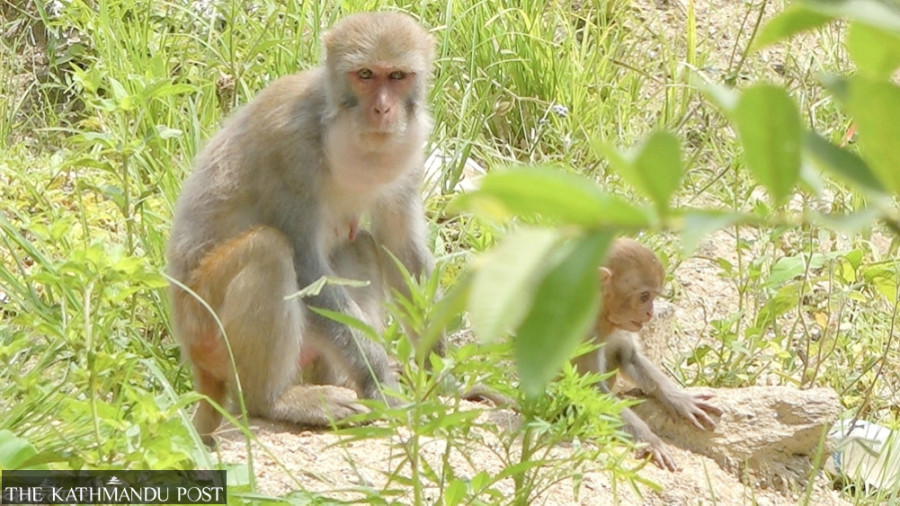
monkey menace pushing farmers out of nepal s hills villages
Topic context
This topic has been covered 392825 times in the last 30 days across our monitored publishers.
The full article is on the original publisher site. This page only shows the headline and a very short excerpt.
AI insight
AI-generatedThe article describes a localized agricultural crisis in Nepal's mid-hill region where monkey raids are causing crop losses, driving farmer migration. The commercial mechanism is weak: no direct commodity price impact, no supply chain disruption beyond local subsistence farming. The primary affected sector is subsistence agriculture, with potential indirect effects on local food availability and rural livelihoods. No major commercial winners or losers identified; the impact is region-specific and small-scale.
Signals our AI researcher identified
Extracted by our AI model from this article and related public sources — not direct quotes from the publisher.
- Monkey population in Nepal estimated at 500,000.
- Monkeys consume ~1,000 metric tonnes of food daily, half from crops.
- Approximately 1,700 people leave Arghakhanchi district annually due to monkey menace.
- 114 applications for wildlife-related loss relief filed in Salyan last fiscal year.
- Local governments beginning to prioritize monkey control in budgets.
Related stories
finance.yahoo.com
ncmi q1 2026 earnings transcript 154748256

foreignpolicy.com
eu sanctions russia abductions ukraine children

economictimes.indiatimes.com
petrol diesel price hike rs 3 per litre india food inflation retail growth iran war impact rbi crude oil

rte.ie
1573272 warsh confirmed as fed chair as bank faces trump assault
finance.yahoo.com