www.ft.lk ·
Marikkar warns coal scam cannot be covered up by mere resignation of Minister
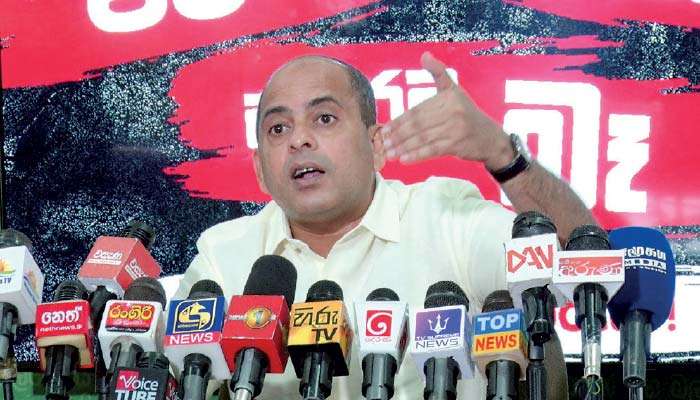
The full article is on the original publisher site. This page only shows the headline and a very short excerpt.
AI insight
AI-generatedThe coal scam in Sri Lanka involves substandard coal imports and financial losses for the state energy sector. The direct commercial mechanism is increased input cost for electricity generation due to reliance on expensive diesel plants, squeezing margins for the state utility and raising electricity costs for consumers. The channel is regulatory (poor oversight) and input_cost (substandard coal leading to inefficiency). No specific company tickers mentioned; impact is on state-owned energy entities and consumers.
Signals our AI researcher identified
Extracted by our AI model from this article and related public sources — not direct quotes from the publisher.
- 12 coal ships arrived during a no-confidence motion against Energy Minister Kumara Jayakody.
- Public Utilities Commission reported a loss of Rs. 8.5 billion due to import of 9 substandard coal ships.
- Cost of purchasing electricity from diesel plants estimated at Rs. 40-50 billion over six months.
- Government has not collected late fees for coal shipments.
- SJB will continue to monitor quality of coal from emergency purchases.
Sustained diesel use pressures utility margins over 1-4 weeks, with expected cost increases.
Sign in to see all sector verdicts, full thesis and counter-argument debate.
Sector impact at a glance
- BIST_ENERGYmid
- ENERGY_CONSUMERmid