www.thestar.com.my · · MY
Indonesian Students to Rally Against Prabowo Amid Economic Pressures
News Analysis — AI Analysis
Original analysis generated by News Analysis. This is our own commentary on the story, not the publisher's article text.
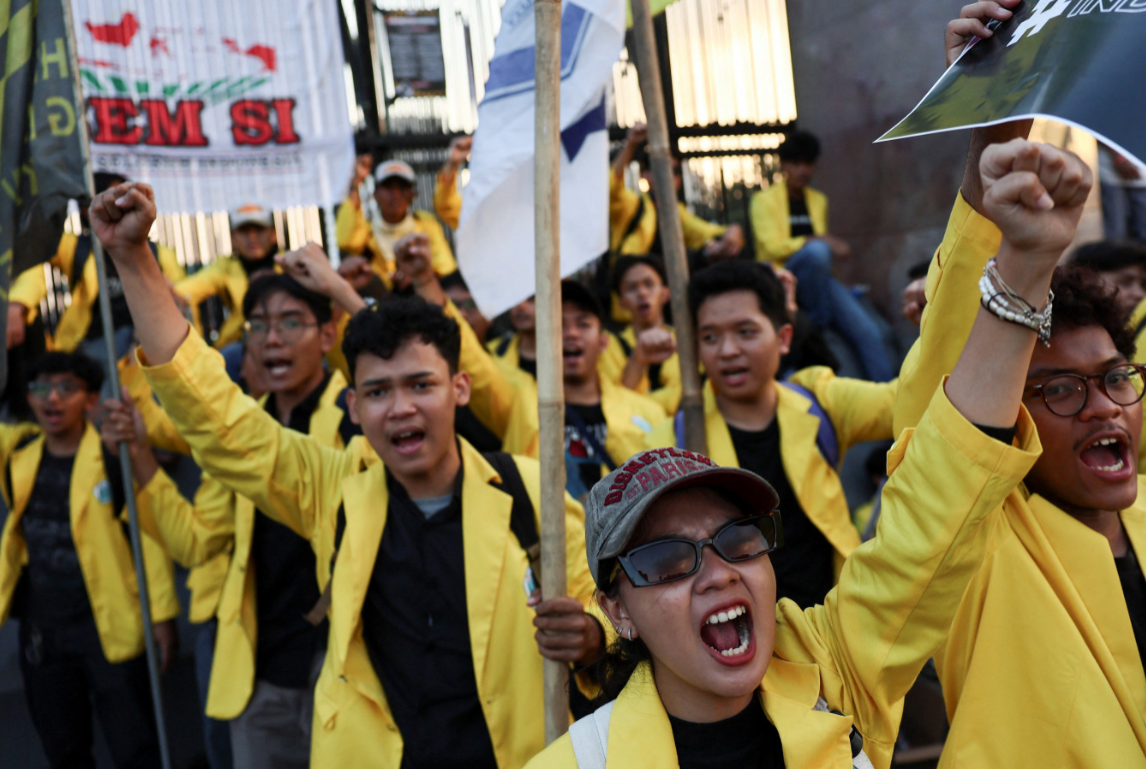
Student groups in Indonesia are planning a protest to demand an end to what they view as President Prabowo Subianto's costly flagship programs amid worsening economic conditions. The demonstrations follow the rupiah hitting a record low and call for reduced government spending, lower prices on staples, and an end to perceived militarization of civilian life. Organizers argue that the government is ignoring the current crisis while continuing expensive initiatives.
Key points
- Students are mobilizing to protest the government's continued funding of costly flagship programs despite economic difficulties.
- The protests coincide with the rupiah hitting a historic low, signaling severe economic pressure in Indonesia.
- Organizers demand that the government halt wasteful spending and address rising costs for fuel and staple foods.
- This mobilization marks the second major student protest under Prabowo's administration since large-scale unrest occurred last year.
- Analysts suggest the renewed student momentum could be significant, but its long-term impact depends on broader public support.
Claims assessed
- VerifiableStudents are protesting because they believe the government is continuing expensive programs despite a worsening economic crisis and sinking rupiah.
- VerifiableThe rupiah hit a historic low on June 8, falling beyond Rp 18,000 per US dollar.
- VerifiableOrganizers are calling for the government to stop funding flagship programs and reduce prices of fuel and staple foods.
- VerifiableThe previous major student unrest in August 2025 resulted in at least 13 deaths, including a person killed by a police tactical vehicle.
Missing context
The article does not provide the government's official response or counter-arguments to the students' demands regarding spending priorities or economic management. It also lacks details on the specific policy changes that were proposed for the 'free nutritious meal programme' or 'red-and-white village cooperatives projects'.
Topic context
Related topics
The full article is on the original publisher site.