ianslive.in · · IN
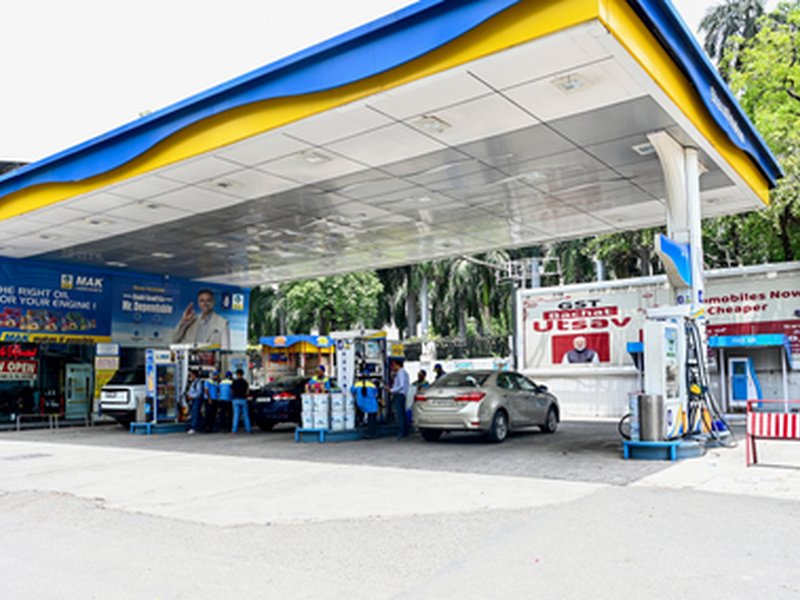
India Restricts Bulk Sale of Diesel Petrol at Retail Outlets for 90 Days
News Analysis — AI Analysis
Original analysis generated by News Analysis. This is our own commentary on the story, not the publisher's article text.
India has implemented a temporary restriction on retail fuel outlets, limiting bulk sales of petrol and diesel to curb the diversion of subsidized or retail-priced fuel. Under the new rules, dealers cannot sell more than 200 liters of high-speed diesel to any single customer daily, directing large institutional buyers to use authorized captive pumps instead. This move comes amid global energy market volatility and sustained domestic price increases due to geopolitical tensions.
Key points
- Retail fuel outlets are restricted from making bulk sales of petrol and diesel for an initial period of up to 90 days.
- Dealers can only sell a maximum of 200 liters of high-speed diesel per day to any single customer or vehicle.
- The government mandates that large institutional and commercial users must source fuel through dedicated, authorized channels.
- The restrictions aim to prevent the diversion of subsidized or retail-priced fuel meant for individual consumers.
- The development occurs as India faces rising domestic fuel prices, influenced by global crude oil trends and Middle East geopolitical tensions.
Claims assessed
- VerifiableIndia has imposed restrictions on bulk sales of petrol and diesel at retail outlets to prevent the diversion of subsidized or retail-priced fuel.
- VerifiableRetail dealers are now limited to selling no more than 200 liters of high-speed diesel per day to any single customer.
- VerifiableThe restrictions on fuel sales will remain in effect for up to 90 days unless officially modified or withdrawn.
- VerifiablePetrol prices in Delhi have increased by Rs 4.75 per liter, and diesel prices have risen by Rs 4.82 per liter since May 15.
Missing context
The article does not specify the exact mechanism for 'authorized channels' that large institutional buyers must use, nor does it provide an estimated economic impact of these restrictions on specific sectors (e.g., transportation, manufacturing).
Topic context
Related topics
The full article is on the original publisher site.
AI insight
AI-generatedThe regulatory shift in India is expected to boost specialized B2B fuel logistics and captive energy sourcing (GLOBAL_ENERGY, EM_TRANSPORT, EM_INDUSTRIALS) over the mid-term (magnitude 3). Key risk: The realization of pricing power depends heavily on consistent national enforcement and overcoming state-level logistical bottlenecks.
The Indian government imposed restrictions on the retail bulk purchase and resale of petrol (motor spirit) and high-speed diesel (HSD). This mechanism aims to curb fuel diversion, directly impacting the supply chain flow from retail stations to end users. The primary commercial effect is a shift in distribution channels, forcing institutional/commercial users to use dedicated captive pumps, thereby stabilizing subsidized or retail-priced fuel availability for legitimate industrial/transport needs.
Signals our AI researcher identified
Extracted by our AI model from this article and related public sources — not direct quotes from the publisher.
- India restricts bulk sale of petrol and diesel at retail outlets.
- Restriction period: up to 90 days.
- Limit for HSD sale per customer/vehicle: not more than 200 litres per day.
- Resale of purchased diesel is barred.
Affected products & commodities
- Petrol (Motor Spirit)
- High-Speed Diesel (HSD)
Supply-chain signals
- Retail fuel distribution network capacity
- Fuel diversion prevention mechanisms
Historical parallels
- India has previously implemented such restrictions to manage subsidized fuel allocation, typically leading to short-term localized supply adjustments and potential price volatility in the black market.
This analysis would be wrong if
If a major distribution hub announces sufficient inventory buffers that negate immediate price adjustments, or if state governments delay implementation timelines significantly.
Industries securing dedicated fuel sources will gain a structural competitive advantage. The key risk is that smaller firms may struggle to adapt and maintain supply continuity.
Sign in to see all sector verdicts, full thesis and counter-argument debate.
Sector impact at a glance
- EM_INDUSTRIALSmid
- EM_TRANSPORTmid
- EM_TRANSPORTshort
- GLOBAL_ENERGYmid
Related stories
tribuneindia.com
Musks Spacex Prices Record 75 Billion IPO in Biggest Ever US Market Debut
hotair.com
Spacex to Have Record Setting IPO Tomorrow and Progressives Are Angry N

antaranews.com
Danantara Guarantees Zero Layoffs During Massive Soe Streamlining
upi.com
SpaceX final IPO share price set company valued at 177 trillion

econotimes.com