www.aspentimes.com ·
Colorado Drought Conditions Emergency Headwaters State
News Analysis — AI Analysis
Original analysis generated by News Analysis. This is our own commentary on the story, not the publisher's article text.
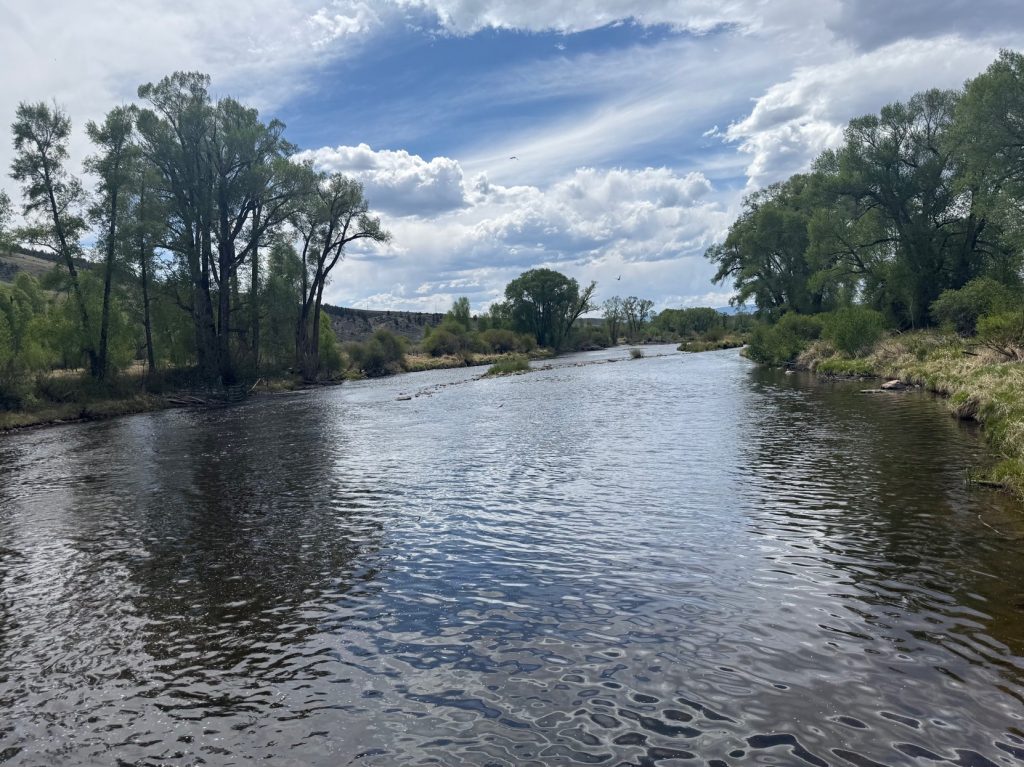
Colorado's water supply is highly complex due to its geography as the headwaters for four major U.S. rivers, making decisions there impactful beyond state borders. The state faces significant drought risks because most of its precipitation falls as mountain snow, while the majority of its population resides on the Front Range, necessitating extensive transmountain diversions. Current conditions are already challenging, requiring immediate water conservation efforts.
Key points
- Colorado's headwaters status means its water management decisions affect 19 downstream states and Mexico.
- The state's water supply system is highly complex, involving multiple river basins, legal frameworks, and counties.
- While the state uses about 40% of its originating water, the remaining 60% flows out, necessitating transmountain diversions to meet demand.
- A major mismatch exists between where precipitation falls (as mountain snow) and where the population resides (on the Front Range).
- Even in average years, significant portions of available river flow are already diverted, making drought conditions particularly severe.
Claims assessed
- VerifiableColorado's headwaters geography creates both opportunities and risks because its water decisions impact numerous downstream states.
- VerifiableThe state uses approximately 90% of its total water supply for agricultural purposes, with smaller allocations for municipal and industrial use.
- VerifiableBecause most precipitation falls as mountain snow and the population is concentrated on the Front Range, over 27 transmountain diversions are required to move water from west to east.
- VerifiableCurrent drought conditions necessitate immediate water conservation because no additional supply improvements are expected until the following year's snowpack.
Missing context
The article does not provide specific details on the current level of water restrictions or mandatory conservation measures being implemented across all 64 counties in response to the declared emergency status. Readers would need to know which local regulations apply to their area.
Topic context
Related topics
The full article is on the original publisher site.
AI insight
AI-generatedThe drought emergency pushes agricultural input costs up and creates short-term operational pressure for power generation. The most significant commercial signal is that while water scarcity elevates demand for utility infrastructure (UTILITIES rising mid-term), regulatory constraints are likely to cap immediate pricing power across both utilities and agriculture.
The declared drought emergency in Colorado directly impacts water-intensive sectors (agriculture, energy cooling, industrial processes) by reducing surface water availability. This creates an input cost risk for utilities and agriculture, potentially leading to higher operational costs or mandated usage restrictions across the region.
Signals our AI researcher identified
Extracted by our AI model from this article and related public sources — not direct quotes from the publisher.
- Colorado declared drought emergency as of June 4, 2023
- 99.4% of Colorado experiencing drought conditions
- 83% of state's water supply from rivers and lakes
- Mountain snowpack has been significantly below average this year
- Low river flows and increased wildfire risks expected to persist
Affected products & commodities
- Agricultural irrigation water
- Industrial process water
- Cooling water (power generation)
- Wildfire mitigation resources
Supply-chain signals
- Mountain snowpack melt rate
- Surface water availability in Colorado rivers and lakes
- Water rights allocation/regulation
Historical parallels
- Severe drought events typically lead to mandatory restrictions on industrial and agricultural water usage, causing temporary production slowdowns and increased costs for alternative water sourcing (e.g., desalination or groundwater pumping).
This analysis would be wrong if
If state/federal regulators announce a temporary suspension of price caps or usage restrictions, allowing utilities to fully pass through high alternative sourcing costs; OR if major groundwater reserves prove sufficient for the next 12 months.
Long-term water infrastructure and conservation services become critical revenue streams. Utility providers benefit from sustained capital expenditure cycles.
Sign in to see all sector verdicts, full thesis and counter-argument debate.
Sector impact at a glance
- AGRICULTURE_FOODmid
- AGRICULTURE_FOODshort
- GLOBAL_ENERGYshort
- UTILITIESmid
- UTILITIESshort
Related stories
economictimes.indiatimes.com
Strong 67 Magnitude Earthquake Hits Indonesias Sulawesi Island Causing Deaths and Destruction
abc.net.au
Scam Compounds Bypassed Cambodia Crackdown Amnesty

oann.com
Accused D C Natl Guard Shooter Could Face Death Penalty as Doj Adds More Charges

diariolibre.com
Camacho Onco14 Investiga Rd3700 Mm De Senasa

elbuho.pe