www.deutschlandfunk.de · · DE
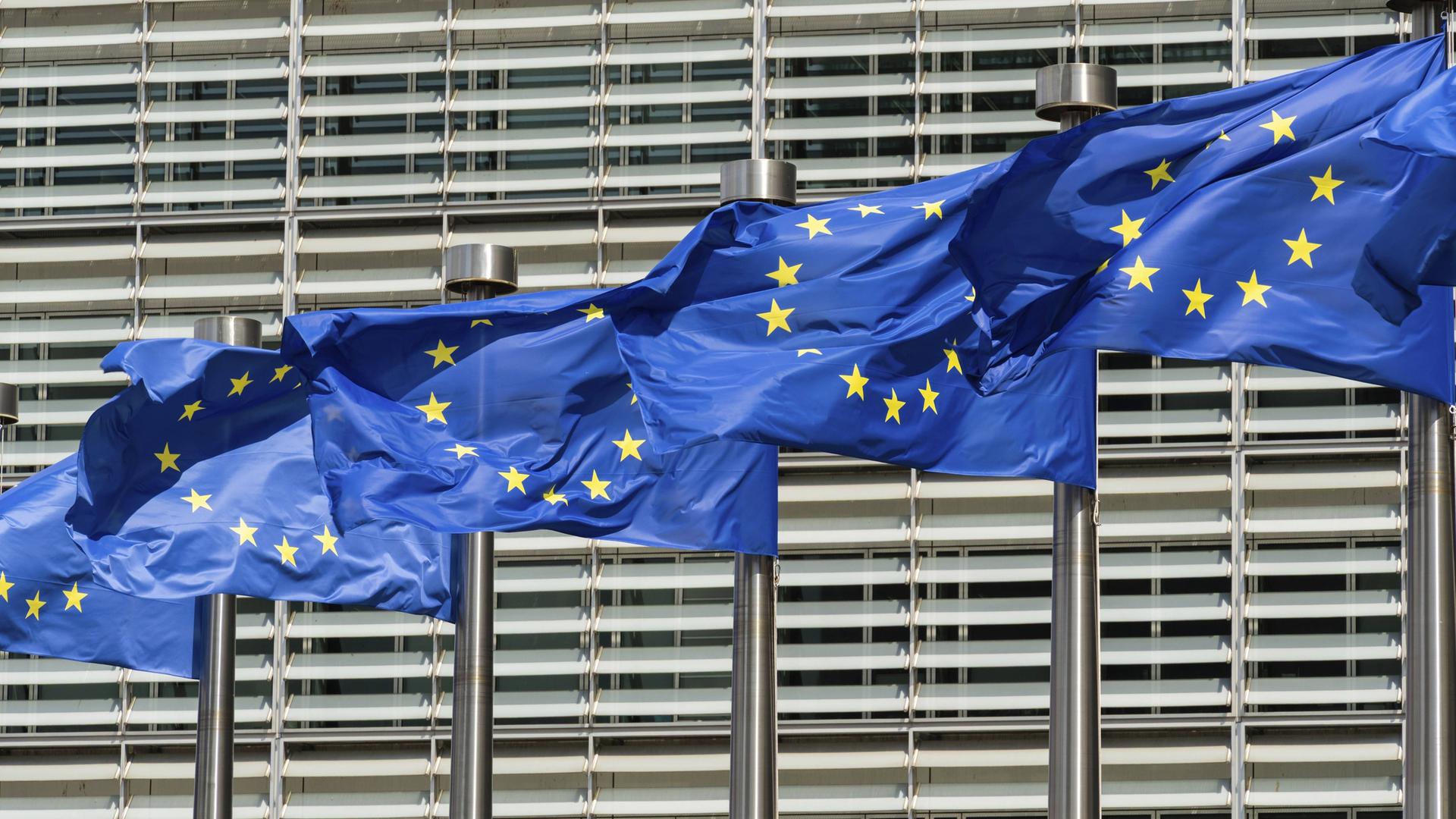
EU Beginnt Beitrittsverhandlungen Mit Ukraine Und Moldau 116
Executive Summary
AI-generatedThe EU has commenced accession negotiations with Ukraine and Moldova, a move hailed by leaders as a major step forward for Europe. While officials emphasize the historical significance of these talks, they cautioned that the process is long and requires candidates to demonstrate reforms in areas like rule of law and anti-corruption efforts. Furthermore, discussions about special transitional statuses were highlighted, alongside ongoing accession processes with other Western Balkan nations.
The initiation of EU accession negotiations for Ukraine and Moldova signals a significant long-term geopolitical commitment, potentially boosting construction, infrastructure development, and industrial capacity utilization in these specific Eastern European economies. The primary commercial mechanism is increased CAPEX/investment cycle in the target countries.
Key Insights
- The EU began formal accession negotiations with Ukraine and Moldova.
- Leaders view the start of these talks as a significant historical milestone for Europe and Ukraine.
- Candidate countries must prove compliance with EU standards in areas such as border control, police, and legal systems.
- Discussions included proposals for special transitional statuses, which could grant limited participation rights without voting power.
- The accession process is complex, requiring deep reforms (e.g., anti-corruption) and is not a guarantee of future membership.
Topic context
Related topics
The full article is on the original publisher site.