economictimes.indiatimes.com ·
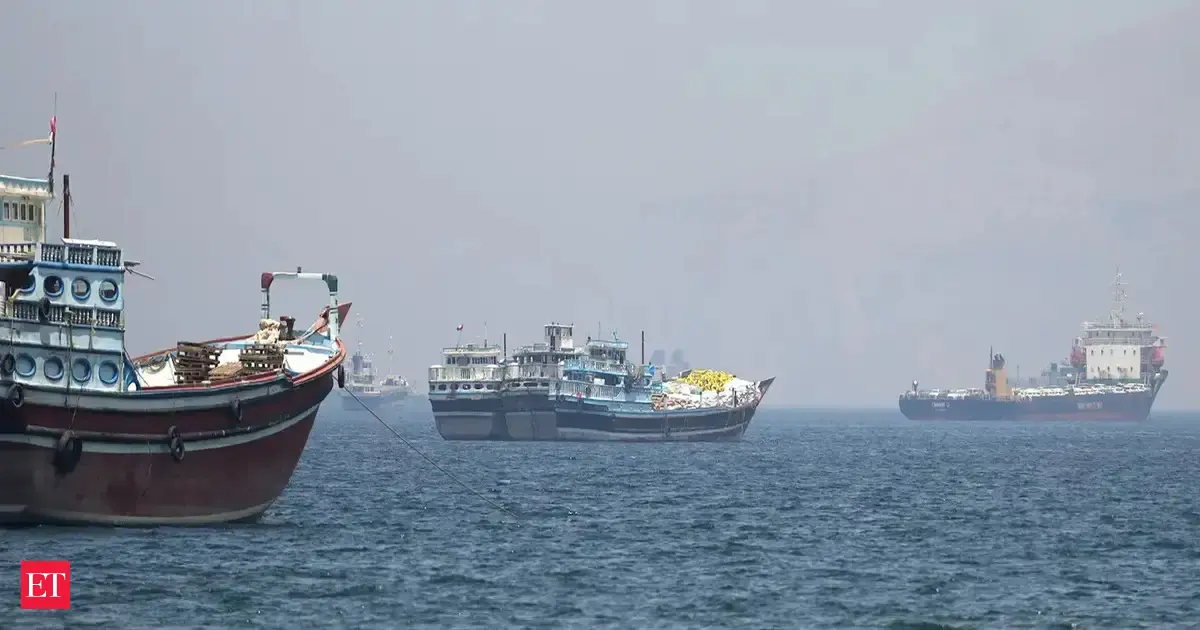
iran enforces new sovereign transit rules in strait of hormuz mandates prior permits for vessels
The full article is on the original publisher site. This page only shows the headline and a very short excerpt.
AI insight
AI-generatedIran's new transit rules in the Strait of Hormuz create a regulatory and military risk for tankers carrying crude oil, LNG, and refined products. The channel is regulatory/supply_shortage: vessels must obtain permits or risk interception, effectively raising the cost and uncertainty of shipping through the strait. This directly affects global oil and gas supply chains, particularly for Asian and European importers reliant on Middle Eastern exports. The impact is global but concentrated on energy markets; companies with exposure to Persian Gulf crude (e.g., Saudi Aramco, ADNOC, Japanese refiners) face potential margin squeeze from higher freight/insurance costs or delays. No specific company winners/losers are named.
Signals our AI researcher identified
Extracted by our AI model from this article and related public sources — not direct quotes from the publisher.
- Iran enforces new prior authorization rules for vessels transiting Strait of Hormuz.
- IRGC Navy intensifies enforcement, warning vessels to adhere to designated corridors or face military intervention.
- Strait of Hormuz is a critical route for about 20% of global oil and LNG shipments.
- Tensions with the United States are cited as background for the new governance system.
- Published 2026-05-06; tone -4.34 indicating negative sentiment.
Asian LNG spot prices likely up 5-8% in 48 hours on supply route risk.
Sign in to see all sector verdicts, full thesis and counter-argument debate.