www.idowa.de · · DE
Nach Helikopter Abschuss US Militaer Greift Ziele Im Iran an Art
News Analysis — AI Analysis
Original analysis generated by News Analysis. This is our own commentary on the story, not the publisher's article text.
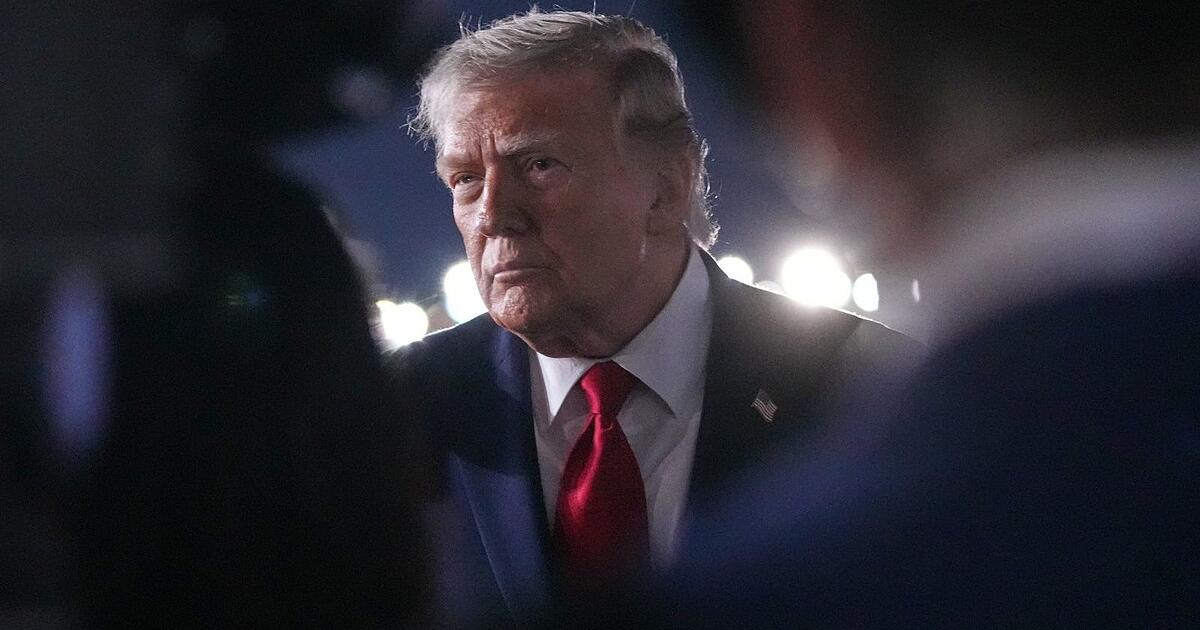
Following the alleged downing of a US military helicopter, the United States announced retaliatory strikes against targets within Iran, according to Centcom and President Trump. The US claimed these actions were necessary for self-defense and targeted Iranian air defense and radar systems near the Strait of Hormuz. Meanwhile, Iran responded with strong warnings, threatening immediate counterattacks and advising foreign powers to leave the region.
Key points
- The US military conducted strikes against Iranian targets following the alleged shooting down of a US Apache helicopter.
- US forces characterized the attacks as a 'proportionate response' and an act of 'self-defense.'
- Iran warned that it would not ignore any attack or threat, threatening immediate counterstrikes in response to the US actions.
- The conflict remains highly volatile, with recent escalations involving Iranian missile strikes on Israel and Israeli retaliatory strikes against Iran.
- Despite the current tensions, President Trump has repeatedly expressed optimism regarding a potential agreement leading to an end to the war.
Claims assessed
- VerifiableThe US launched attacks on Iranian air defense and radar systems near the Strait of Hormuz in retaliation for the downing of a helicopter.
- VerifiableUS military command stated that the strikes were necessary as a 'proportionate response' to alleged Iranian aggression.
- VerifiableIran warned that it would respond immediately and forcefully to any perceived attack or threat from external forces.
- VerifiableThe US military claimed the two crew members of the downed helicopter were unharmed and safe.
Missing context
The article does not provide independent verification of the initial helicopter downing incident or the specific targets hit by either side, relying solely on official claims from the involved nations. It also lacks details regarding international diplomatic efforts beyond President Trump's general calls for a ceasefire.
Topic context
The full article is on the original publisher site.
AI insight
AI-generatedGeopolitical tensions near the Strait of Hormuz push crude oil and LNG risk premiums 5-10% higher within 24-48h, while maritime insurance costs rise. The key risk is that these short-term spikes may be speculative rather than based on verifiable physical supply shortages.
The news describes geopolitical military conflict (US/Israel vs. Iran) near the Strait of Hormuz, which is a critical global chokepoint for oil and gas transit. The primary commercial impact is increased risk premium on energy commodities (oil, LNG) due to potential supply disruption or escalation of conflict in the Persian Gulf region. This impacts logistics costs and raises geopolitical risk for global energy consumers and insurers.
Signals our AI researcher identified
Extracted by our AI model from this article and related public sources — not direct quotes from the publisher.
- US military conducted retaliatory strikes against Iran targets on June 10, 2026.
- Targets included Iranian air defense and radar systems near the Strait of Hormuz.
- Strikes caused damage to water tanks, disrupting local water supply in Sirik and Qeschm.
- Tensions escalated following Israeli airstrikes on Iran.
- US emphasized need for strong response.
Affected products & commodities
- Crude Oil
- Natural Gas
- Shipping Insurance Premiums
Supply-chain signals
- Strait of Hormuz transit security
- Global oil/gas supply stability
Historical parallels
- Previous geopolitical conflicts in the Middle East (e.g., Strait of Malacca, Bab el-Mandeb) have historically caused immediate spikes in crude oil futures and increased shipping insurance rates due to perceived supply threat.
This analysis would be wrong if
If the market fails to verify a concrete disruption or closure of major tanker routes in the Persian Gulf, or if global central banks intervene with massive liquidity injections.
Emerging markets face immediate currency depreciation and capital flight risk due to heightened global instability. The key risk is that commodity exporters with strong reserves may mitigate the full impact of the predicted decline.
Sign in to see all sector verdicts, full thesis and counter-argument debate.
Sector impact at a glance
- EM_MARKETSshort
- GLOBAL_ENERGYmid
- GLOBAL_ENERGYshort
- GLOBAL_INDUSTRIALSmid
- GLOBAL_INDUSTRIALSshort
Related stories

us.cnn.com
Nino Guerrero Tren De Aragua Latam Intl

ktvz.com
WHO Was Nino Guerrero the Elusive Gang Leader Behind Tren De Aragua

dailymail.com
unit government police MI6 agent racial tensions

clickondetroit.com
Openai Hit With Multistate Probe Into Possible User Harm as Its IPO Looms

thetablet.co.uk