www.straitstimes.com ·
India US Ties Are Strained After an Attack in the Strait of Hormuz Whats Next for the Two Countries
Executive Summary
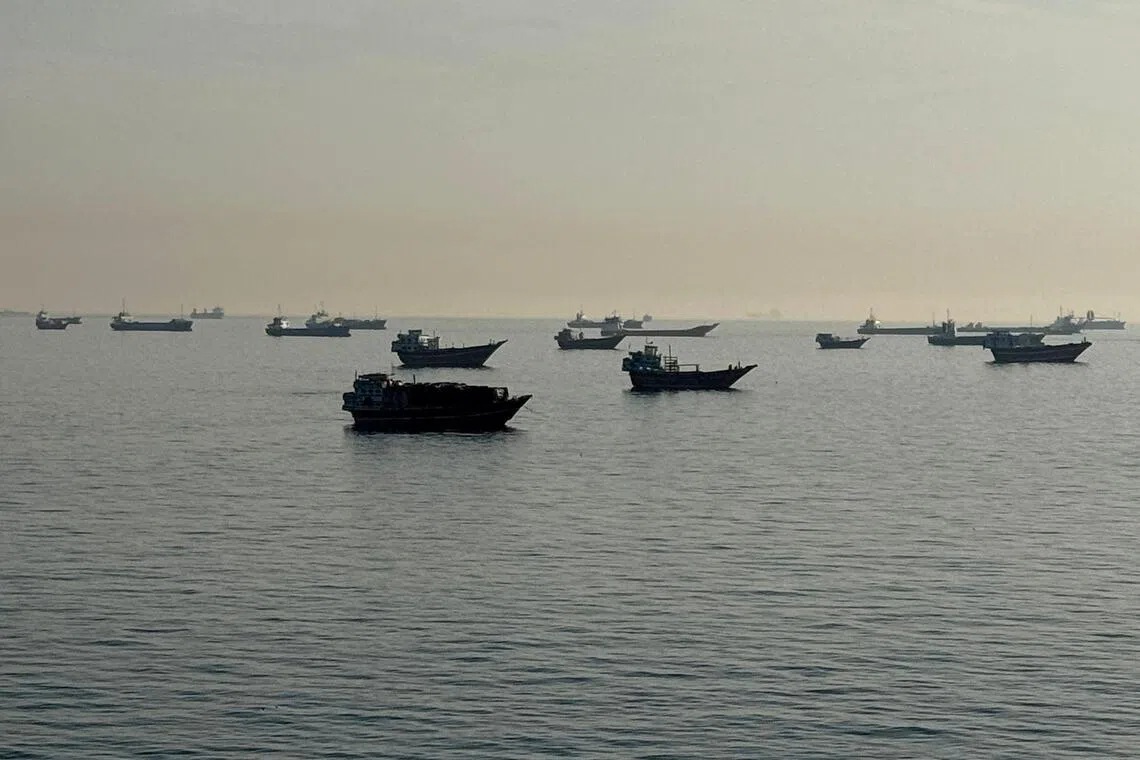
AI-generatedIndia's strategic relationship with the United States has reportedly deteriorated following a U.S. attack off the coast of Oman that resulted in the deaths of three Indian sailors. This incident, coupled with the U.S.'s perceived failure to apologize, has heightened public anger and official protests in India. The strained ties are also attributed to ongoing disputes over tariffs, US proximity to Pakistan, immigration policies, and a recent change in U.S. military command structure.
The news describes a geopolitical incident straining US-India relations following an attack on a tanker. This primarily impacts maritime security, insurance premiums for shipping routes (like the Strait of Hormuz), and potentially increases operational risk/cost for Indian and international shipping lines operating in the region. The commercial mechanism is driven by increased perceived geopolitical risk.
Key Insights
- The primary source of tension is the U.S. attack on a tanker near the Strait of Hormuz, which killed three Indian sailors.
- Public outrage in India was fueled by the U.S.'s refusal to issue an apology or express regret for the deaths.
- Beyond the maritime incident, relationship strains stem from tariff disputes, US-Pakistan ties, and restrictive immigration policies.
- The U.S. Indo-Pacific Command reverting its name has been criticized as undermining India's importance in U.S. security strategy.
- India has formally protested the actions and demanded compensation while calling for free and unimpeded navigation through international waterways.
Topic context
The full article is on the original publisher site.