scroll.in
Negativescroll.in ·
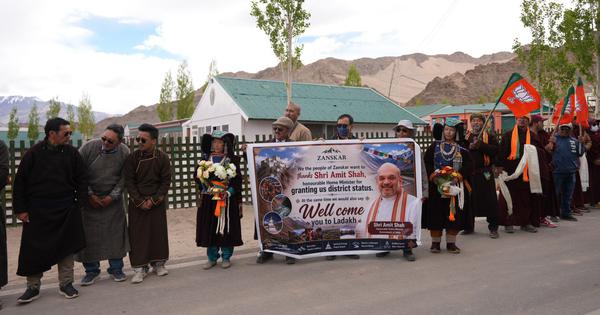
why five new districts in ladakh have led to fears of exclusion gerrymandering
DISCRIMINATIONTAX_RELIGION_HINDUSTAX_ETHNICITY_HINDUSLEADER
Topic context
This topic has been covered 329320 times in the last 30 days across our monitored publishers.
The full article is on the original publisher site. This page only shows the headline and a very short excerpt.
AI insight
AI-generatedThe article discusses administrative redistricting in Ladakh, India, with political and social implications. No direct commercial mechanism, commodity price impact, or supply chain effect is identified. The event is domestic political and does not affect any sector's revenue, cost, or margin.
Signals our AI researcher identified
Extracted by our AI model from this article and related public sources — not direct quotes from the publisher.
- Indian government created five new districts in Ladakh in April 2024, increasing total to seven.
- Only two of the new districts are Muslim-majority; five are predominantly Buddhist.
- Muslims constitute 46% of Ladakh's 2.74 lakh residents.
- Activists fear reduced job opportunities and marginalization of Muslims.
- Move follows revocation of Jammu and Kashmir's special status in 2019.
Related stories
finance.yahoo.com
iipr q1 2026 earnings call 195750348

seattletimes.com
mass layoffs in iran as businesses buckle under wartime pressures
euronews.com
eu squares up trumps tariff threat

scoop.co.nz
inhumanity of us economic sanctions against cuba infant mortality and starvation time to end new zealands silence
tribune.com.pk