www.good.is ·
economic benefits of saving bats
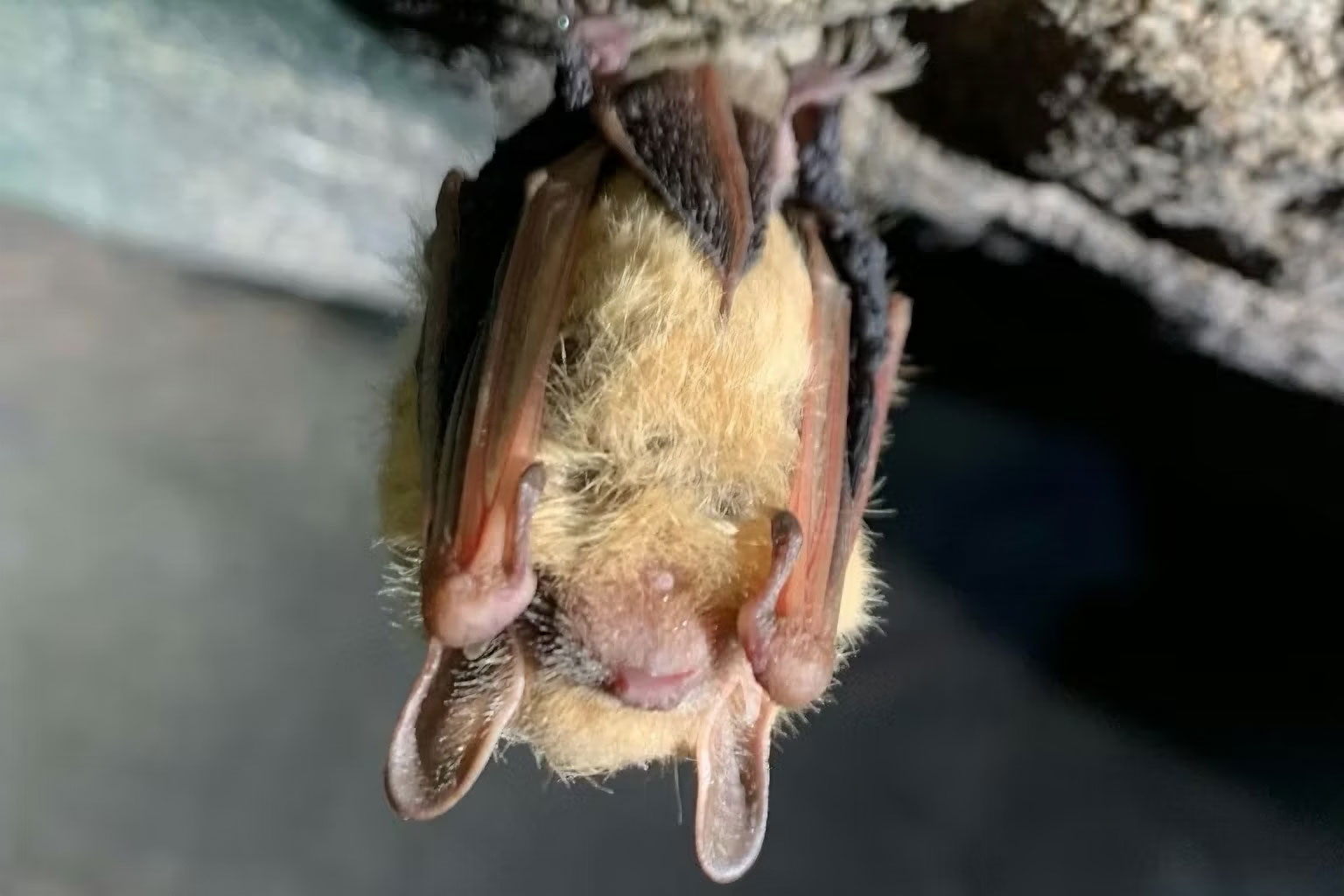
The full article is on the original publisher site. This page only shows the headline and a very short excerpt.
AI insight
AI-generatedThe article discusses the economic benefits of bats in the U.S., focusing on their role in pest control for agriculture. The decline in bat populations due to white-nose syndrome leads to increased crop damage and higher pesticide costs, affecting U.S. corn and other crop producers. The mechanism is a supply-side shock to natural pest control services, increasing input costs for farmers. Impact is U.S.-specific, with no direct commodity price or company margin data provided.
Signals our AI researcher identified
Extracted by our AI model from this article and related public sources — not direct quotes from the publisher.
- Bat populations declining due to white-nose syndrome, a fungal disease first detected in 2006.
- Agricultural losses estimated at over $420 million annually as of 2017 due to bat decline.
- Local governments lose nearly $2.7 million in revenue per average rural county each year.
- Bats control insect pests like cucumber beetles that damage corn.
- Conservation efforts include testing a fungal vaccine and creating artificial roosts.