abcnews.com ·
Inflation Reached 3 Year High Month Iran War
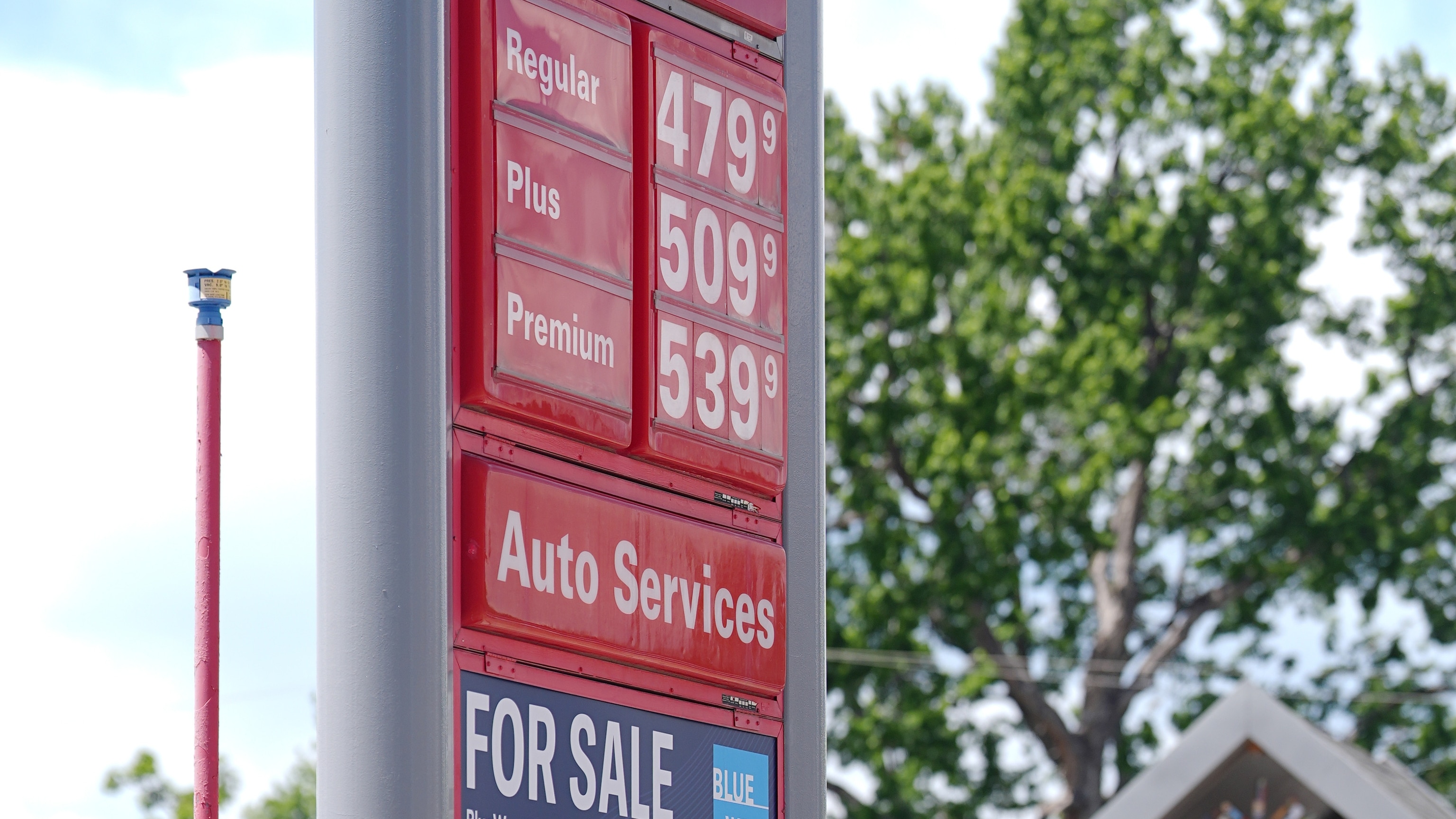
News Analysis — AI Analysis
Original analysis generated by News Analysis. This is our own commentary on the story, not the publisher's article text.
Economists project that consumer prices likely rose in May, marking the third consecutive month of increases, with annual inflation expected to hit 4.2%. This surge is attributed partly to rising gas costs following disruptions related to the Iran war and tariffs imposed by President Trump. The article highlights ongoing concerns about persistent inflation despite falling gas prices and discusses potential shifts in Federal Reserve policy.
Key points
- Consumer price increases are projected for May, raising annual inflation to 4.2% from a year ago.
- The rise in costs is linked to the Iran war disrupting oil supplies and tariffs imposed by President Trump.
- Core inflation is forecast to increase slightly, remaining above the Federal Reserve's target of 2%.
- Rising shipping and diesel fuel costs are contributing to higher prices for goods like groceries.
- The persistent inflation has caused some Fed officials to shift their stance from expected rate cuts to potential hikes.
Claims assessed
- VerifiableConsumer prices are forecast to increase by 0.5% in May, slightly less than the 0.6% rise seen in April.
- VerifiableGas prices rose significantly in May due to Iran's closure of the Strait of Hormuz, which reduced global oil supply.
- VerifiableThe Federal Reserve is now considering raising interest rates rather than cutting them, due to persistent inflation concerns.
Missing context
The article does not provide specific details on the potential impact of tariffs imposed by President Trump in April 2025, nor does it offer concrete timelines or conditions under which the Federal Reserve might change its rate policy.
Topic context
Related topics
The full article is on the original publisher site.
AI insight
AI-generatedPersistent cost-push inflation and a shift to hawkish central bank expectations support sustained higher energy input costs (Natural Gas/Crude Oil) over the mid-term. The key risk is that immediate market reactions are muted due to high liquidity, while long-term USD strength depends on global monetary policy convergence.
The primary commercial mechanism is inflation-driven cost pressure, specifically impacting energy costs due to geopolitical risk (Iran war) and trade policy (Trump tariffs). This signals potential input cost increases for all sectors, leading the Federal Reserve to shift from a dovish stance (rate cuts) to a hawkish one (potential rate hikes), affecting capital expenditure cycles and borrowing costs globally.
Signals our AI researcher identified
Extracted by our AI model from this article and related public sources — not direct quotes from the publisher.
- U.S. inflation projected to rise to 4.2% year-over-year in May.
- Monthly prices expected to increase by 0.5%.
- Gas prices rose from $4.04 (mid-April) to $4.49 (mid-May).
- Federal Reserve considering rate hikes instead of cuts.
Affected products & commodities
- Natural Gas
- Crude Oil
- General consumer goods/services (due to inflation)
Supply-chain signals
- Geopolitical risk impacting oil/gas supply stability
- Tariff implementation affecting trade costs
Historical parallels
- Past periods of geopolitical conflict (e.g., Middle East tensions) typically cause immediate spikes in crude oil and natural gas futures, leading to temporary supply-chain cost inflation and subsequent central bank tightening cycles.
This analysis would be wrong if
If major consuming economies announce significant supply elasticity or if central banks implement targeted interventions (e.g., reserve accumulation) that fundamentally break the consensus view of rate hikes and inflation persistence.
Emerging Market equities and debt face increased structural financial constraints over the next month. The key risk is that sovereign risk premiums are more dependent on local fiscal deficits than global liquidity tightening.
Sign in to see all sector verdicts, full thesis and counter-argument debate.
Sector impact at a glance
- EM_MARKETSmid
- FX_USDmid
- GLOBAL_ENERGYmid
Related stories

moneycontrol.com
Sensex Today Stock Market Live Updates Nifty50 Share Price Crude Fii Gift Nifty Rupee Latest Updates 10 06 2026 Liveblog
aol.co.uk
Tech Sell Off Deepens Oil

mynorthwest.com
Inflation Likely Reached 3 Year High Last Month as Iran War Spikes Gas Prices

digitaljournal.com
Tech Leads Asia Losses Oil Rises as Rollercoaster Week Rumbles on

rediff.com