crudeaccountability.org ·
The Maritime Shipping Industry Opaque Extremely Lucrative and a Tool of Choice for Sanctioned Governments and Their Facilitators
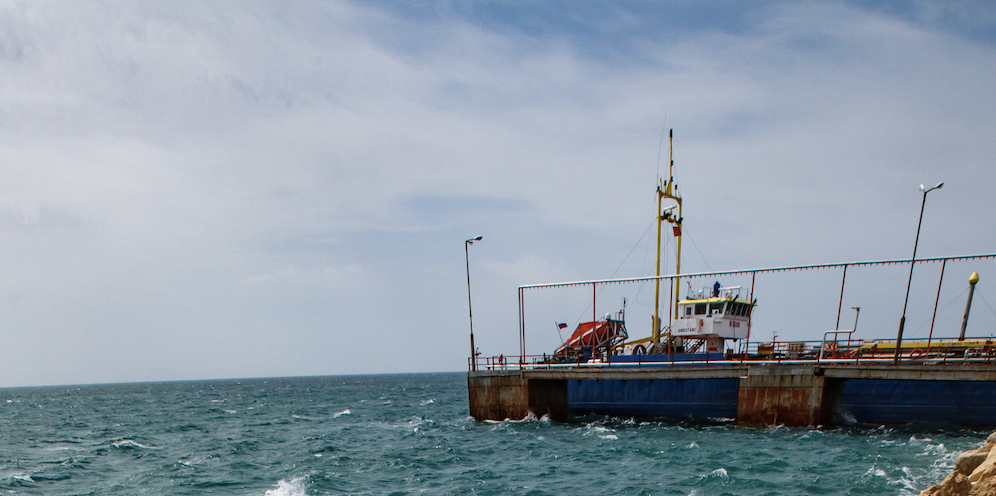
The full article is on the original publisher site. This page only shows the headline and a very short excerpt.
AI insight
AI-generatedThe article highlights vulnerabilities in global trade enforcement, where opaque maritime practices undermine sanctions aimed at restricting energy exports from sanctioned nations. This impacts energy markets and international compliance efforts, potentially affecting oil prices and regulatory frameworks. Increased scrutiny could lead to tighter shipping regulations and shifts in energy supply chains.
Signals our AI researcher identified
Extracted by our AI model from this article and related public sources — not direct quotes from the publisher.
- Maritime shipping industry is highly opaque, enabling sanctions evasion by governments like Russia.
- Russian petroleum products continue reaching Western markets despite sanctions via Black Sea ports.
- Loopholes such as flags of convenience and ship-to-ship transfers complicate tracking efforts.
- Crude Accountability calls for increased transparency and regulation in the shipping industry.
- Businesses involved in these practices are urged to be held accountable.
Regulatory changes could increase compliance costs and disrupt operations for transport companies. However, companies may adapt quickly to mitigate these impacts.
Sign in to see all sector verdicts, full thesis and counter-argument debate.
Sector impact at a glance
- BIST_TRANSPORTmid
- BIST_TRANSPORTshort
- COMMODITY_OILmid
- COMMODITY_OILshort
- SP500_ENERGYmid
- SP500_ENERGYshort