breakingdefense.com ·
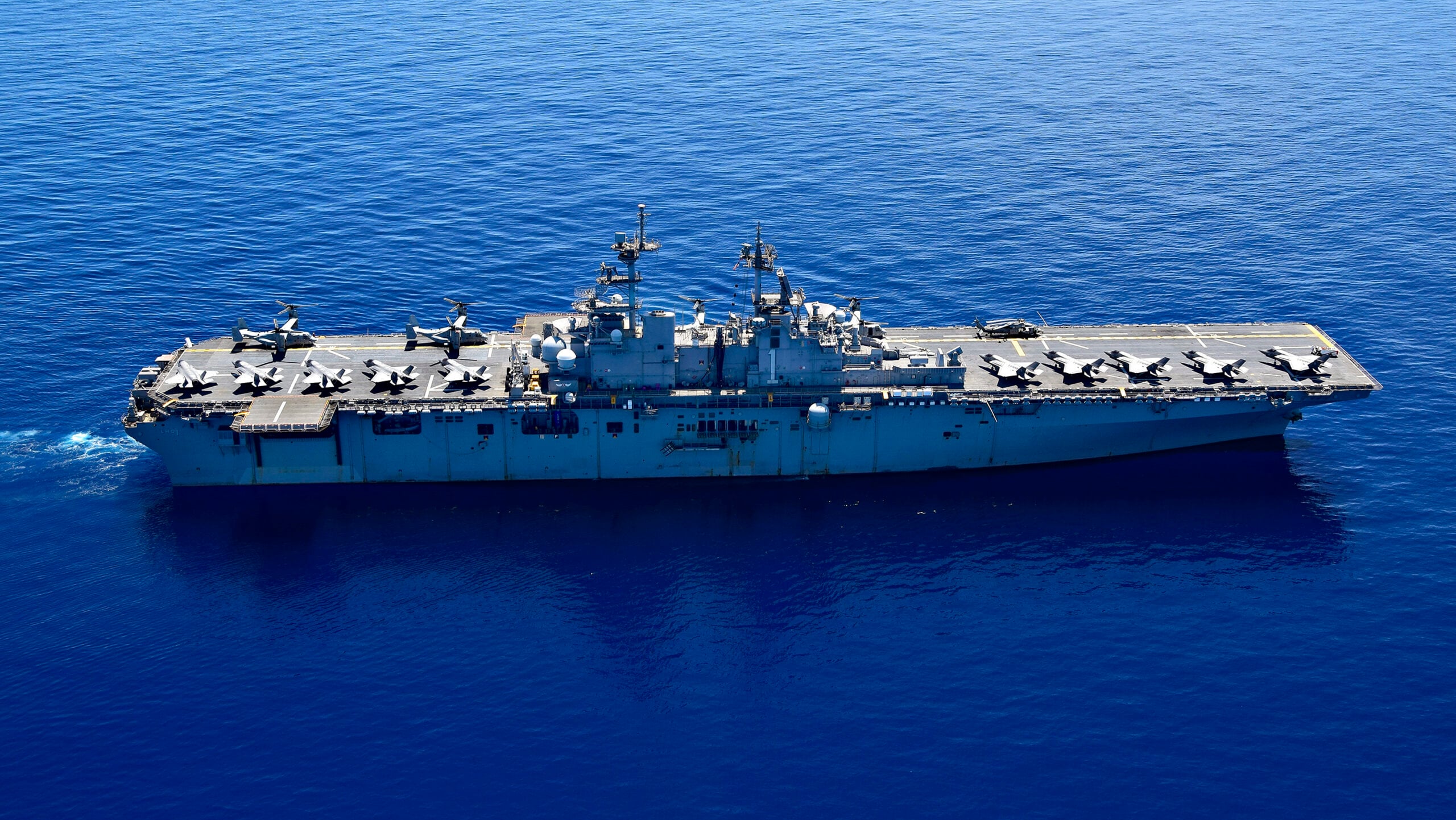
Navy Marine Corps Back Longer Amphib Readiness Cycles Request More Ships
The full article is on the original publisher site. This page only shows the headline and a very short excerpt.
AI insight
AI-generatedThe U.S. Navy's proposal to extend amphibious readiness cycles and increase ship count signals sustained demand for naval shipbuilding and maintenance. This directly benefits shipbuilders (e.g., Huntington Ingalls, General Dynamics) and defense logistics contractors. The mechanism is a capex_cycle for naval assets, with no immediate commodity price impact. Impact is US-specific, tied to defense procurement budgets.
Signals our AI researcher identified
Extracted by our AI model from this article and related public sources — not direct quotes from the publisher.
- Proposed shift from 36-month to 56-month force generation model for amphibious ships.
- Proposal includes increasing amphibious ships from 31 to 40.
- Amphibious Force Readiness Board established in March to assess required number of ships.
- Goal: maintain global presence of three Amphibious Ready Groups and Marine Expeditionary Units.
Multi-year shipbuilding contracts may lead to flat backlog growth for defense primes over 1-4 weeks.
Sign in to see all sector verdicts, full thesis and counter-argument debate.
Sector impact at a glance
- AEROSPACE_DEFENSEmid