aljazeerah.info ·
Iran US Agree to End the War, Including Lebanon, Open the Strait of Hurmuz, Lift Blockade, Release of Iranian Frozen Assets, June 15, 2026
News Analysis — AI Analysis
Original analysis generated by News Analysis. This is our own commentary on the story, not the publisher's article text.
Pakistani Prime Minister Shehbaz Sharif announced a peace deal between Iran and the United States, which mandates the immediate and permanent termination of military operations on all fronts, including Lebanon. The agreement, finalized after intensive negotiations, also includes the lifting of the US naval blockade against Iran and the opening of the Strait of Hormuz. Both sides are expected to sign the Memorandum of Understanding (MoU) in Switzerland on June 19.
Key points
- A peace deal was announced by Pakistan's PM Shehbaz Sharif between Iran and the US, ending military operations across all fronts.
- The agreement specifically includes an end to conflict in Lebanon and the immediate termination of the naval blockade against Iran.
- Iran’s Supreme National Security Council (SNSC) confirmed the MoU finalization, attributing success to internal efforts and mediation by Pakistan and Qatar.
- US President Donald Trump publicly endorsed the deal on Truth Social, authorizing the opening of the Strait of Hormuz.
Claims assessed
- VerifiableA peace deal was reached between Iran and the United States, leading to the permanent end of all military operations.
- VerifiableThe agreement mandates the lifting of the US naval blockade against Iran and the opening of the Strait of Hormuz.
- VerifiablePakistan served as a key mediator in the negotiations between Iran and the United States.
Missing context
The article does not specify the terms of compensation for damages or the full scope of sanctions lifting mentioned in Iran's initial demands, nor does it detail which specific commitments each side must implement before the final agreement is ratified.
Topic context
The full article is on the original publisher site.
AI insight
AI-generatedDe-escalation lowers immediate energy and shipping costs (GLOBAL_ENERGY/LOGISTICS_SHIPPING) in the short term; however, increased regional trade volume is expected to provide strong support for commodity pricing (COMMODITY_OIL) and specialized services (LOGISTICS_SHIPPING) over the mid-term. Key risk: if global demand weakens or geopolitical stability proves temporary, the positive momentum will reverse.
The lifting of the U.S. naval blockade and the opening of the Strait of Hormuz removes a major geopolitical risk premium on global energy supply routes. This directly reduces input costs (insurance, transit time) for oil and gas passing through the Persian Gulf. The release of frozen assets could stabilize Iranian financial institutions, potentially increasing regional trade volume and investment confidence in EM_INDUSTRIALS.
Signals our AI researcher identified
Extracted by our AI model from this article and related public sources — not direct quotes from the publisher.
- US and Iran agree to end military operations (June 15, 2026)
- U.S. naval blockade against Iran lifted
- Strait of Hormuz opened/authorized
- Release of Iranian frozen assets agreed upon
- Agreement facilitated by Pakistani PM Shehbaz Sharif
Affected products & commodities
- Crude Oil (Brent/WTI)
- Liquefied Natural Gas (LNG)
- Shipping Insurance Premiums
- Iranian Rial (IRR) vs USD
Supply-chain signals
- Strait of Hormuz transit capacity
- Global oil tanker insurance rates
- Middle East geopolitical risk premium on energy pricing
Historical parallels
- Previous de-escalation events in the Middle East typically lead to a sharp decline in crude oil price volatility and freight costs, though magnitude depends on immediate global demand outlook.
This analysis would be wrong if
If a concrete timeline is published showing that regional trade volume increase or energy consumption spike fails to materialize despite the lifting of sanctions and blockade.
Increased regional trade and investment confidence will provide a supportive floor; therefore COMMODITY_OIL is expected to see moderate upward support in the mid-term (2-4 weeks) by a moderate band.
Sign in to see all sector verdicts, full thesis and counter-argument debate.
Sector impact at a glance
- COMMODITY_OILmid
- COMMODITY_OILshort
- FX_EMmid
- FX_EMshort
- GLOBAL_ENERGYmid
- GLOBAL_ENERGYshort
- LOGISTICS_SHIPPINGmid
- LOGISTICS_SHIPPINGshort
Related stories
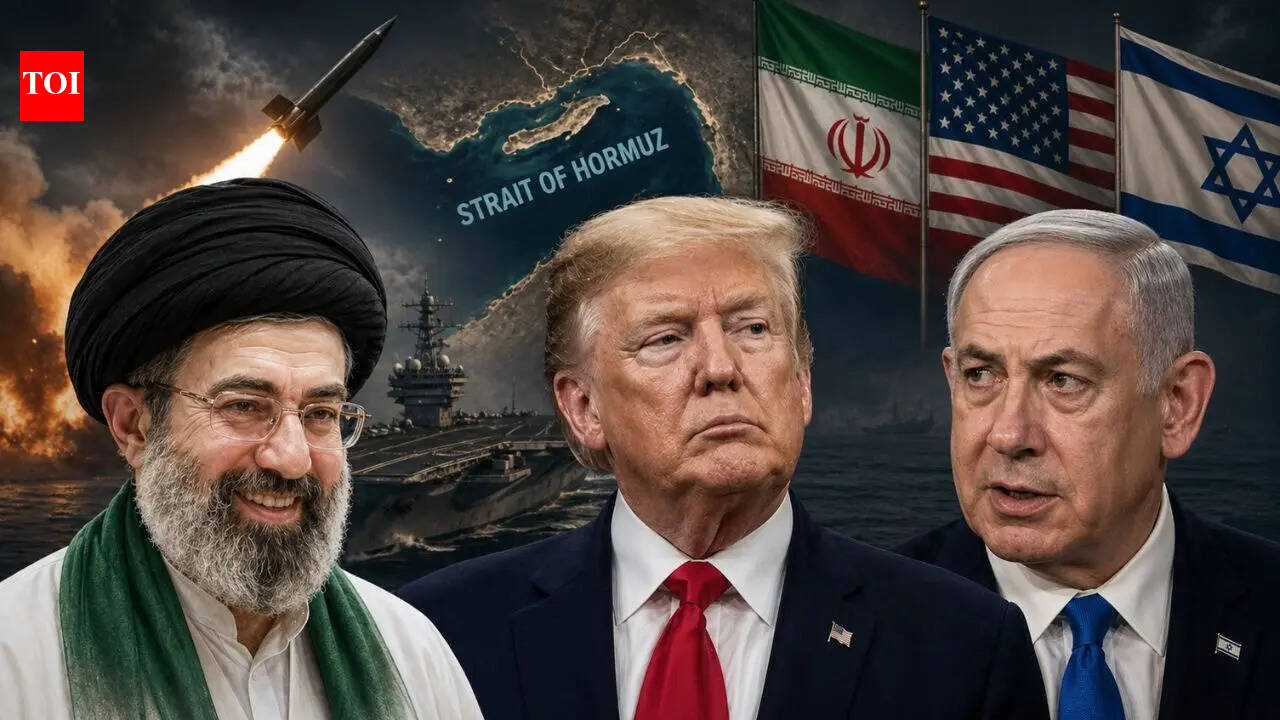
timesofindia.indiatimes.com
Lebanon Ceasefire Hormuz Reopening Sanctions Relief What the 14 Point US Iran Peace Deal Contains
odt.co.nz
When Might US Iran Deal Bring Down Petrol Prices Rnz
al-monitor.com
Analysis Trump Veers Toward Exit Iran War Risks Loom

cnn.com
Kings Joy Vegetarian Restaurant Beijing China Intl Hnk
yahoo.com