www.ibtimes.co.uk ·
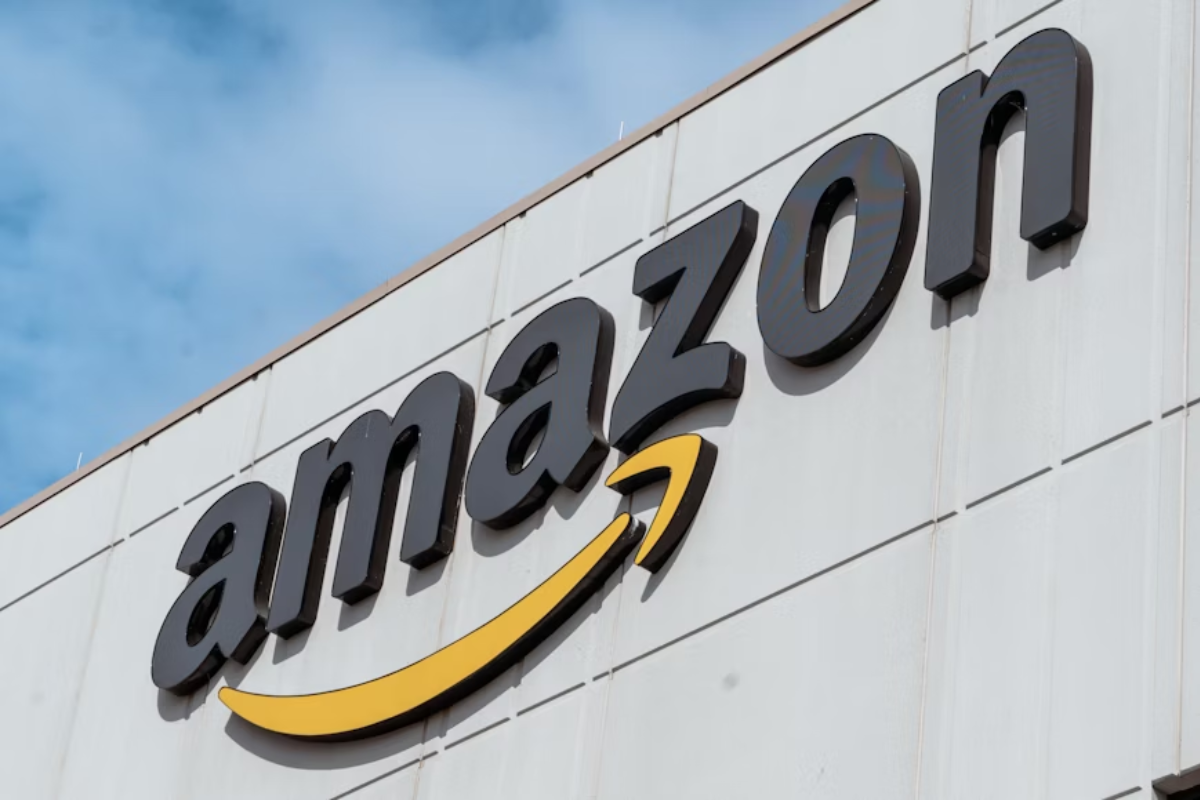
Amazon Now 30 Minute Delivery US Cities
Topic context
This topic has been covered 418367 times in the last 30 days across our monitored publishers.
The full article is on the original publisher site. This page only shows the headline and a very short excerpt.
AI insight
AI-generatedAmazon's quick-commerce expansion increases competition in US last-mile delivery, pressuring margins for DoorDash and Instacart. Amazon leverages its logistics network and Prime subscription base to offer low delivery fees, potentially increasing its retail market share. Flex driver classification remains a regulatory risk.
Signals our AI researcher identified
Extracted by our AI model from this article and related public sources — not direct quotes from the publisher.
- Amazon launched 30-minute delivery in Atlanta, Dallas-Fort Worth, Philadelphia, Seattle.
- Expansion to 8 more US cities by end of 2026.
- Prime members pay $3.99/delivery; non-members pay $13.99 plus small-order fees.
- Deliveries via Amazon Flex drivers earning $18-$25/hour as independent contractors.
- Service uses micro-fulfillment hubs ('dark stores').
Amazon's micro-fulfillment expansion has limited short-term impact on traditional logistics providers; negligible effect in 48h.
Sign in to see all sector verdicts, full thesis and counter-argument debate.
Sector impact at a glance
- CONSUMER_DISCRETIONARYmid
- CONSUMER_DISCRETIONARYshort
- LOGISTICS_SHIPPINGmid
- LOGISTICS_SHIPPINGshort
- RETAIL_ECOMMERCEmid
- RETAIL_ECOMMERCEshort