kathmandupost.com ·
Nepal Police Calls Attention for Unwarranted Arrests
News Analysis — AI Analysis
Original analysis generated by News Analysis. This is our own commentary on the story, not the publisher's article text.
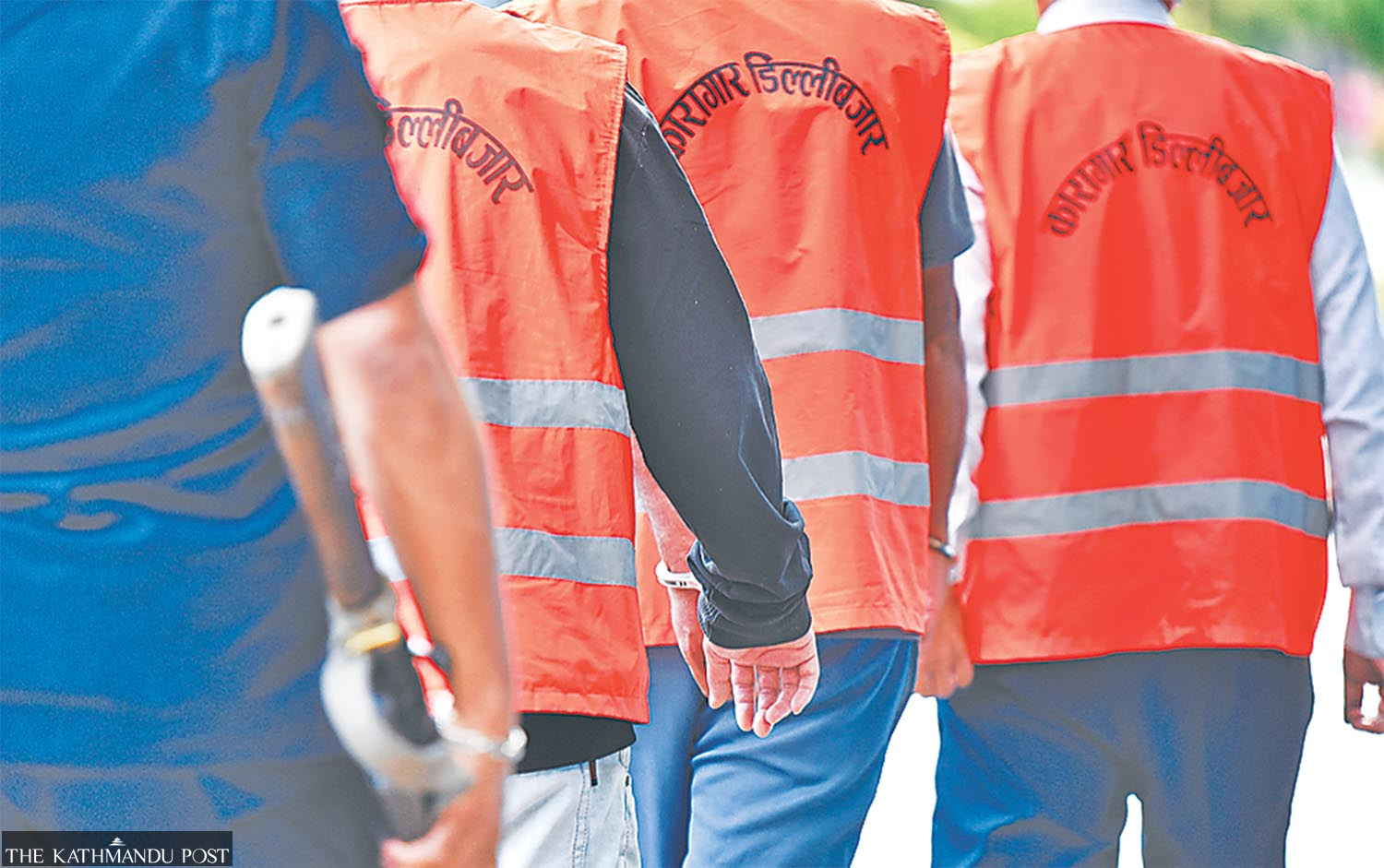
The article discusses growing concerns in Nepal regarding police practices that allegedly reverse the principle of criminal justice by making arrests before clear evidence or formal charges are established. Specific incidents, such as the detention and release of a Vice President's Office secretary and raids on educational consultancies, have drawn scrutiny from legal experts and civil society for potentially undermining due process. Critics argue this trend represents an overreach of investigative authority.
Key points
- A fundamental principle of criminal justice dictates that arrests should follow proper assessment, not precede it.
- Recent policing practices in Nepal are drawing criticism for detaining individuals and then searching for legal grounds afterward.
- The detention of a Vice President’s Office secretary was cited as an example where the individual was questioned without being informed of specific charges before his eventual release.
- Police raids on educational consultancies resulted in 69 arrests, but only 30 were ultimately charged due to insufficient evidence and lack of formal complaints.
- These incidents reflect a broader debate about the limits of investigative agencies' authority versus misuse of power.
Claims assessed
- VerifiableArrest must follow assessment in criminal justice, prioritizing the safety of the innocent over the convenience of prosecuting the guilty.
- VerifiableThe detention of Krishna Hari Pushkar was linked to an alleged message sent to Prime Minister Balendra Shah regarding a breach of administrative discipline.
- VerifiableDuring the questioning of detained individuals, police sometimes provided vague responses about the charges and did not inform detainees of the specific offense under which they were held.
- VerifiablePolice raids on educational consultancies found that while 69 operators were arrested, only 30 were ultimately charged because evidence was insufficient or no formal complaints had been filed.
Missing context
The article does not provide any official response or defense from the Nepal Police or the Valley Crime Investigation Office regarding the allegations of improper arrest procedures. It also lacks details on what specific legal reforms are being proposed to address these systemic issues.
Topic context
The full article is on the original publisher site.
Related stories
freebeacon.com
Im Gonna Poison Her a Slowly University of Michigan Students and Graduates Charged by Feds With Violent Anti Israel Plot to Terrorize University Jews
finance.yahoo.com
Cybersecurity Stocks Spotlight U Vulnerability

local10.com
A Burning Cross in a Chicago Park Shocks Residents and Has Police Searching for WHO Did It

clickorlando.com
Asian Shares Slip After Another Sell Off of AI Stocks on Wall St While Oil Prices Rise

straitstimes.com