www.oneindia.com ·
US Blockade Violations Will Not Be Tolerated Marco Rubio Defends Hormuz Operations After Jaishank
News Analysis — AI Analysis
Original analysis generated by News Analysis. This is our own commentary on the story, not the publisher's article text.
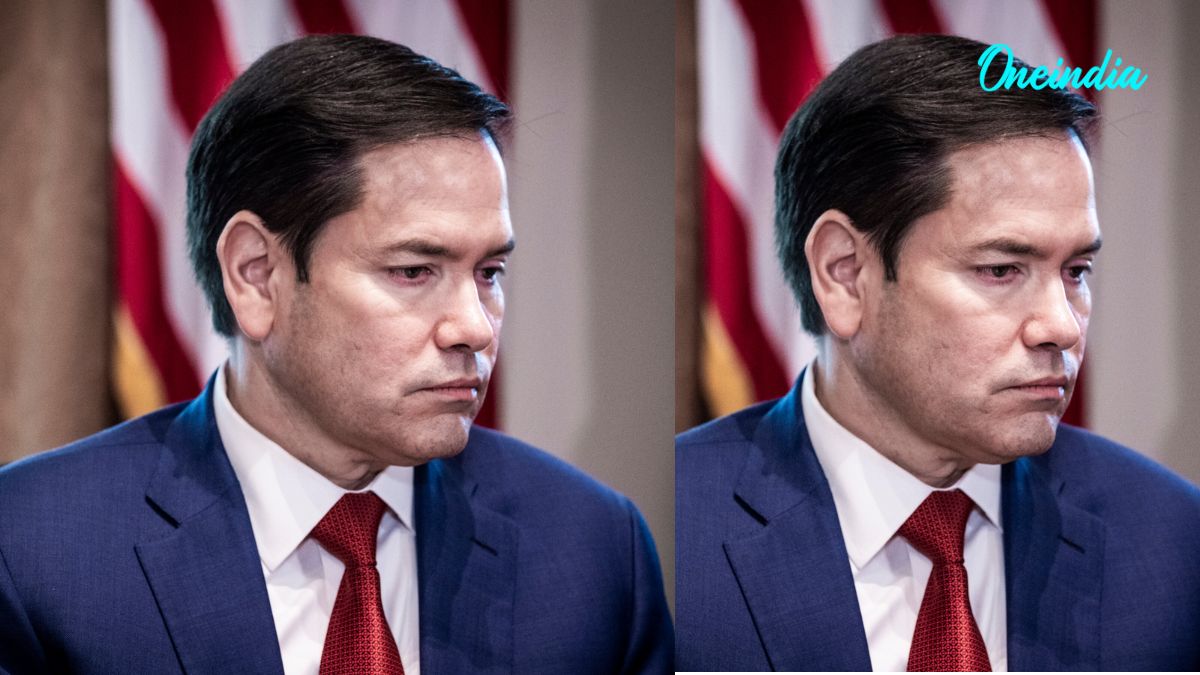
A diplomatic disagreement arose between India and the United States following attacks near the Strait of Hormuz that resulted in the deaths of three Indian crew members. India's External Affairs Minister, S. Jaishankar, strongly protested these lethal actions against civilian shipping to US Secretary of State Marco Rubio. In response, Rubio defended US maritime operations, asserting that the deployment aims to protect regional security and enforce a blockade preventing the illegal transport of Iranian oil.
Key points
- India expressed serious concern over attacks involving commercial ships carrying Indian crew members near the Strait of Hormuz, resulting in three deaths.
- Jaishankar publicly stated India's strong objection to the US Navy's actions, calling lethal force against civilian shipping unjustified.
- Marco Rubio defended the US naval presence, stating it is necessary for regional security and enforcing restrictions on Iranian oil shipments.
- The US emphasized that all commercial vessels in the Strait of Hormuz must cooperate with US naval authorities and adhere to blockade measures.
- The Strait of Hormuz is a critical global maritime route through which a large portion of world crude oil and LNG passes.
Claims assessed
- VerifiableIndia's External Affairs Minister strongly protested the attacks by the US Navy in the Gulf that killed three Indian mariners.
- VerifiableThe US naval deployment in the Strait of Hormuz is intended to protect regional security and enforce restrictions on Iranian oil shipments.
- VerifiableAll commercial ships operating in the region must follow instructions issued by US forces due to blockade enforcement.
Missing context
The article does not specify the exact nature or evidence of the 'attacks' on Indian vessels, nor does it provide details on the specific international legal framework governing US enforcement actions in the Strait of Hormuz regarding Iranian oil shipments.
Topic context
The full article is on the original publisher site.
AI insight
AI-generatedGeopolitical risk elevates operational premiums for Crude Oil/LNG (2-4% volatility spike) and Container Shipping Services (10-20% rate increase) in the short term. Key risk: The magnitude of these increases is likely driven by financial insurance costs rather than physical supply shortages.
The news highlights geopolitical tensions affecting critical maritime chokepoints (Strait of Hormuz). This directly increases operational risk and insurance costs for global energy shipments, particularly crude oil and LNG. The primary commercial mechanism is increased supply chain uncertainty and potential rerouting/delay penalties impacting shipping volumes and freight rates.
Signals our AI researcher identified
Extracted by our AI model from this article and related public sources — not direct quotes from the publisher.
- Diplomatic disagreement between India and the United States.
- Incidents involving attacks on commercial vessels near Strait of Hormuz.
- Concerns over safety of international trade routes in the Gulf region.
Affected products & commodities
- Crude Oil
- LNG
- Container Shipping Services
Supply-chain signals
- Strait of Hormuz transit safety
- Global maritime insurance premiums
- Energy commodity flow through the Gulf region
Historical parallels
- Past geopolitical tensions in the Strait of Hormuz have historically led to immediate spikes in crude oil futures (WTI/Brent) and increased maritime insurance premiums, followed by sustained volatility until de-escalation.
This analysis would be wrong if
If a concrete project timeline, cost structure change, or off-take agreement proves that energy exports are physically curtailed or blocked at the Strait of Hormuz.
Elevated operational risk and insurance costs will sustain structurally higher freight rates for energy trade lanes over the coming weeks. The key risk is a sharp downturn in global demand offsetting these cost premiums.
Sign in to see all sector verdicts, full thesis and counter-argument debate.
Sector impact at a glance
- GLOBAL_ENERGYmid
- GLOBAL_ENERGYshort
- LOGISTICS_SHIPPINGmid
- LOGISTICS_SHIPPINGshort
Related stories
moneycontrol.com
UK Forces Seize Suspected Russian Shadow Fleet Tanker in English Channel Article
oneindia.com
Tear Gas Baton Charge at Patliputra Station as Bihar Police Exam Candidates Protest Travel Woes
winnipegfreepress.com
Qatari Mediators Travel to Tehran for Final Touches on a Possible Deal to End War
yahoo.com
Ukraine Targets Russian Industrial Facilities

londonlovesbusiness.com