www.ijpr.org ·
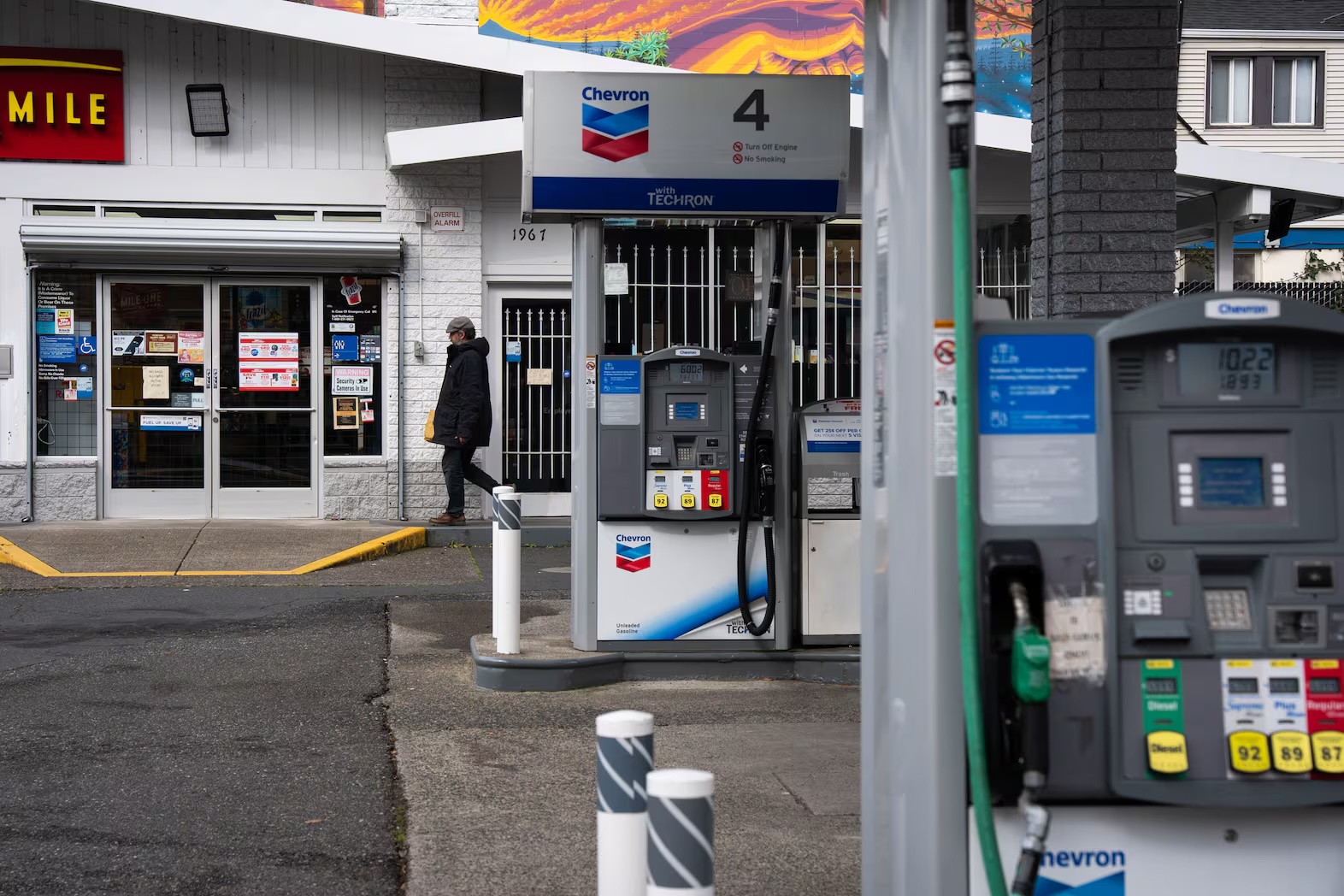
Oregonians Reject Gas Tax Proposal as Fuel Prices Soar
Topic context
This topic has been covered 437693 times in the last 30 days across our monitored publishers.
The full article is on the original publisher site. This page only shows the headline and a very short excerpt.
AI insight
AI-generatedOregon voters rejected a gas tax and fee increase (Measure 120) amid high fuel prices, indicating political resistance to higher fuel taxes. This is a regional (Oregon, US) regulatory signal: no new tax burden on fuel consumers, but road funding remains unresolved. Direct commercial impact is weak; no immediate price or supply effect on gasoline or diesel. The mechanism is regulatory (tax policy) but the outcome is a status quo for fuel costs. No specific company or commodity price is directly affected; the event is a political setback for infrastructure funding.
Signals our AI researcher identified
Extracted by our AI model from this article and related public sources — not direct quotes from the publisher.
- Oregon voters rejected Measure 120 with over 83% against.
- Measure 120 proposed a 6-cent gas tax increase, doubled vehicle registration fees, and a temporary payroll tax hike.
- The rejection comes amid rising fuel prices and cost of living pressures.
- A previous legislative funding package failed in 2025.
- Governor Tina Kotek plans to introduce a new funding plan in the next session.
Related stories
finance.yahoo.com
Eurodry Edry Q1 2026 Earnings

zerohedge.com
Europe Primed Lower Open Amid Lack Progress Usiran Hefty Speaker Slate Nvidia Earnings Due

nzherald.co.nz
Cuba Warns of Bloodbath If US Attacks as Washington Adds Pressure With Sanctions
fool.com
Keysight Keys Q2 2026 Earnings Transcript

counterpunch.org