www.bostonglobe.com ·
US Iran Agreement Strait Reopen Nuclear Talks

News Analysis — AI Analysis
Original analysis generated by News Analysis. This is our own commentary on the story, not the publisher's article text.
The United States and Iran reached a temporary agreement to cease hostilities for 60 days and reopen the Strait of Hormuz. The deal mandates that the U.S. dismantle its naval blockade while Iran clears mines, allowing free passage of oil. However, the critical issue of Iran's nuclear program remains unresolved and will be addressed in subsequent negotiations.
Key points
- The agreement establishes a 60-day ceasefire period between the two nations.
- Both sides committed to halting military operations across all fronts, including Lebanon.
- Key actions include the U.S. dismantling its naval blockade and Iran clearing mines in the Strait of Hormuz.
- Negotiations regarding Iran's nuclear program are scheduled to begin soon, potentially in Geneva.
- The agreement structure is based on mutual suspicion, with sanctions removal contingent upon Iran fulfilling its obligations.
Claims assessed
- VerifiableThe U.S. and Iran agreed to cease hostilities for 60 days, marking the first major accord since late February.
- VerifiableUnder the deal, the United States will begin dismantling its naval blockade of Iran immediately.
- VerifiableIran agreed to never seek to build or procure a nuclear weapon as part of the agreement.
- VerifiableThe U.S. administration hopes Iran will commit to destroying its nuclear program and handing over near-bomb-grade enriched uranium.
Missing context
The article does not provide the full text of the 'memorandum of understanding,' nor does it detail the specific conditions or timelines for the removal of sanctions against Iran beyond stating they are conditional on compliance.
Topic context
The full article is on the original publisher site.
AI insight
AI-generatedPotential de-escalation in the Gulf region is expected to temper crude oil's immediate volatility (1-2% dip) and stabilize its long-term risk premiums. Regional EM currencies will see only muted, speculative movements due to the lack of concrete policy implementation or capital flow shifts. Main risk: If underlying physical supply constraints (OPEC+ actions, global demand weakness) are not addressed, any geopolitical relief will be temporary.
The potential US-Iran agreement and reopening of nuclear talks could significantly reduce geopolitical risk premiums associated with the Strait of Hormuz region. This primarily affects energy transit routes, potentially easing tensions that currently drive up insurance costs and shipping risks for oil/gas exports from Iran and surrounding Gulf states.
Signals our AI researcher identified
Extracted by our AI model from this article and related public sources — not direct quotes from the publisher.
- US-Iran agreement announced.
- Nuclear talks are set to reopen.
Affected products & commodities
- Crude Oil
- Natural Gas
Supply-chain signals
- Strait of Hormuz stability
- Energy commodity pricing risk premium
Historical parallels
- Previous de-escalation agreements in the Middle East have historically led to a reduction in geopolitical risk premiums for oil and gas, causing short-term price dips or stabilization.
This analysis would be wrong if
If a concrete agreement is announced that mandates immediate, verifiable increases in oil/gas output from the region, or if major central banks intervene with capital inflows into regional EM currencies.
Sustained appreciation of regional EM currencies is unlikely in the medium term. The impact will be muted as FDI flows are governed by broader macro factors beyond geopolitical talks.
Sign in to see all sector verdicts, full thesis and counter-argument debate.
Sector impact at a glance
- FX_EMmid
- GLOBAL_ENERGYmid
- GLOBAL_ENERGYshort
Related stories
townhall.com
Massie Exploits the Uss Liberty N

blueprint.ng
Ndlea Intercepts Cocaine Soaked Shirts From Brazil Arrests Suspects
businesstimes.com.sg
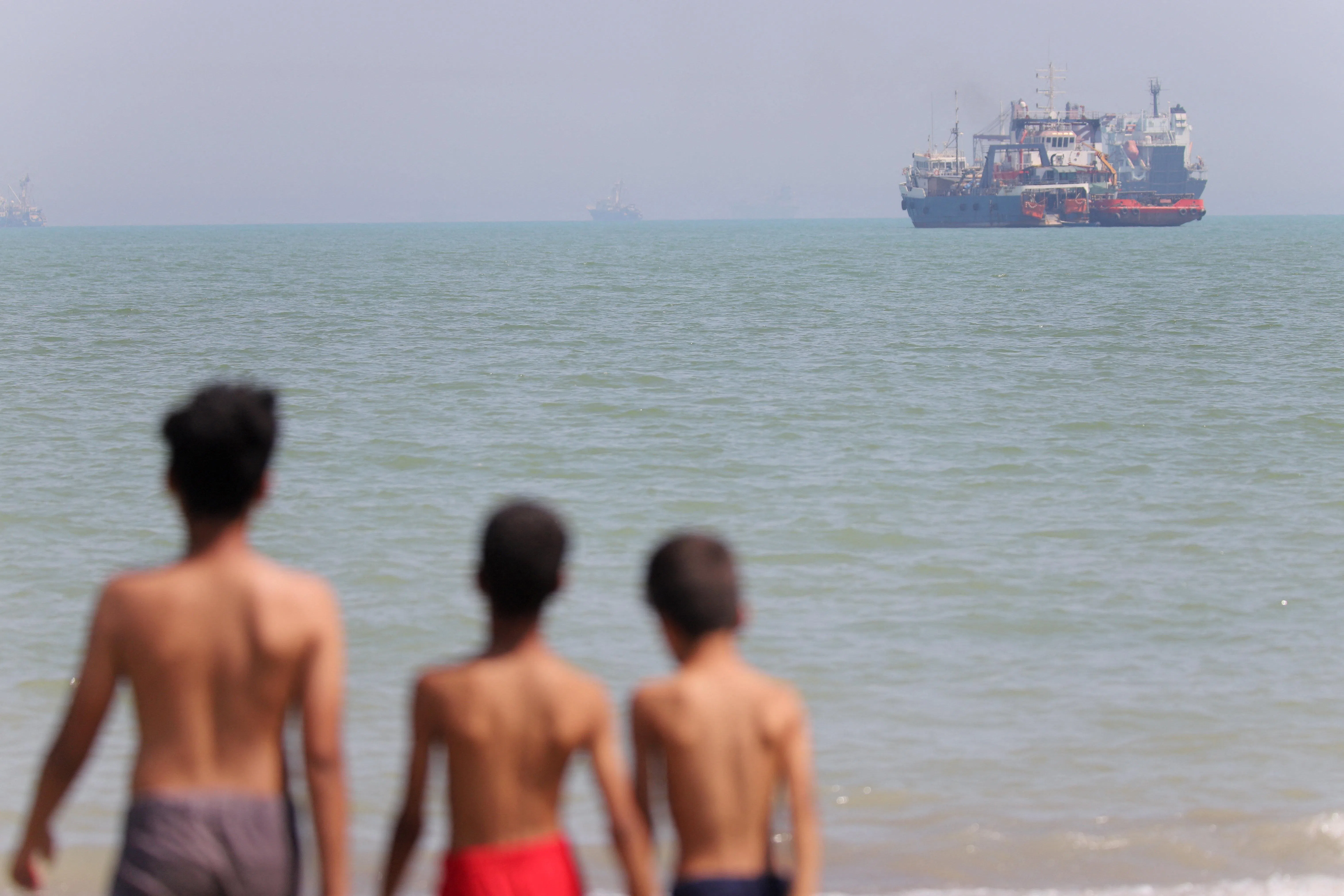
Strait Hormuz Reopening Would Offer Relief Asia Economic Scars Will Remain

livemint.com
WHO Is Mohammad Bagher Ghalibaf the Key Negotiator Behind US Iran Peace Deal

heraldscotland.com