bworldonline.com ·
US Iran Reach Agreement to End War Signing Set for Friday

News Analysis — AI Analysis
Original analysis generated by News Analysis. This is our own commentary on the story, not the publisher's article text.
US and Iranian officials reportedly reached a preliminary agreement aimed at ending hostilities, lifting the US blockade on Iranian ports, and reopening the Strait of Hormuz. The pact, mediated by Pakistan's Prime Minister Shehbaz Sharif, is set for official signing in Switzerland on Friday. While it mandates an end to military operations across all fronts, including Lebanon, the fate of Iran’s nuclear program requires further negotiation.
Key points
- The agreement calls for the immediate and permanent cessation of military actions on all fronts, including those involving Lebanon.
- US President Donald Trump announced the deal via social media, following a mediation effort by Pakistan's Prime Minister Shehbaz Sharif.
- Key provisions include reopening the Strait of Hormuz and lifting the US blockade on Iranian ports, causing an initial drop in oil prices.
- The finalization of terms is scheduled for a signing ceremony in Switzerland on Friday.
- Discussions regarding Iran’s nuclear program and comprehensive sanctions relief are slated for subsequent negotiations during a 60-day ceasefire period.
Claims assessed
- VerifiableUS and Iranian officials agreed to end their war, lift the US blockade on Iran, and reopen the Strait of Hormuz.
- VerifiableThe agreement requires a permanent halt to military operations across all fronts, including Lebanon.
- VerifiableBrent crude futures fell 4% and US West Texas Intermediate slid over 4.6% following the news of the deal.
- VerifiableThe final terms regarding Iran's nuclear program will be addressed in later talks, not immediately.
Missing context
The article does not specify which parties are expected to participate in the subsequent negotiations regarding Iran's nuclear program or sanctions relief. Furthermore, it lacks details on the specific mechanisms or guarantees that would enforce compliance with the ceasefire agreement across all involved nations (e.g., Lebanon).
Topic context
Related topics
The full article is on the original publisher site.
AI insight
AI-generatedDe-escalation pushes Crude Oil and Natural Gas prices down moderately (5-8%) within the next few days, while regional EM currencies see a moderate boost in liquidity. Main risk: The immediate commodity drop will be tempered by large financial asset releases, limiting extreme price movements.
The primary commercial mechanism relates to de-escalation and the removal of geopolitical risk premiums impacting energy supply. Reopening the Strait of Hormuz removes a major choke point risk, stabilizing oil/gas transit costs (input cost). The release of $25 billion in Iranian assets improves regional financial liquidity and reduces sovereign risk for EM_MARKETS.
Signals our AI researcher identified
Extracted by our AI model from this article and related public sources — not direct quotes from the publisher.
- US and Iran reached a preliminary agreement to end war.
- Agreement includes halting US blockade of Iran.
- Strait of Hormuz reopening is planned.
- $25 billion in frozen Iranian assets expected release.
- Official signing scheduled for Friday.
Affected products & commodities
- Crude Oil
- Natural Gas
- Shipping Insurance Premiums
Supply-chain signals
- Strait of Hormuz transit stability
- Geopolitical risk premium on energy commodities
Historical parallels
- Previous de-escalation agreements in the Middle East have historically led to immediate drops in oil/gas futures and associated shipping insurance rates (magnitude: 5-15% drop).
This analysis would be wrong if
If geopolitical de-escalation fails to materialize or if physical reopening of key infrastructure (like the Strait of Hormuz) is delayed beyond 2 weeks.
Reduced geopolitical risk lowers the required sovereign risk premium across regional emerging markets over the next 2-4 months. The key risk is that structural imbalances limit sustained capital inflows.
Sign in to see all sector verdicts, full thesis and counter-argument debate.
Sector impact at a glance
- FX_EMmid
- FX_EMshort
- GLOBAL_ENERGYmid
- GLOBAL_ENERGYshort
- GLOBAL_INDUSTRIALSmid
Related stories
smh.com.au
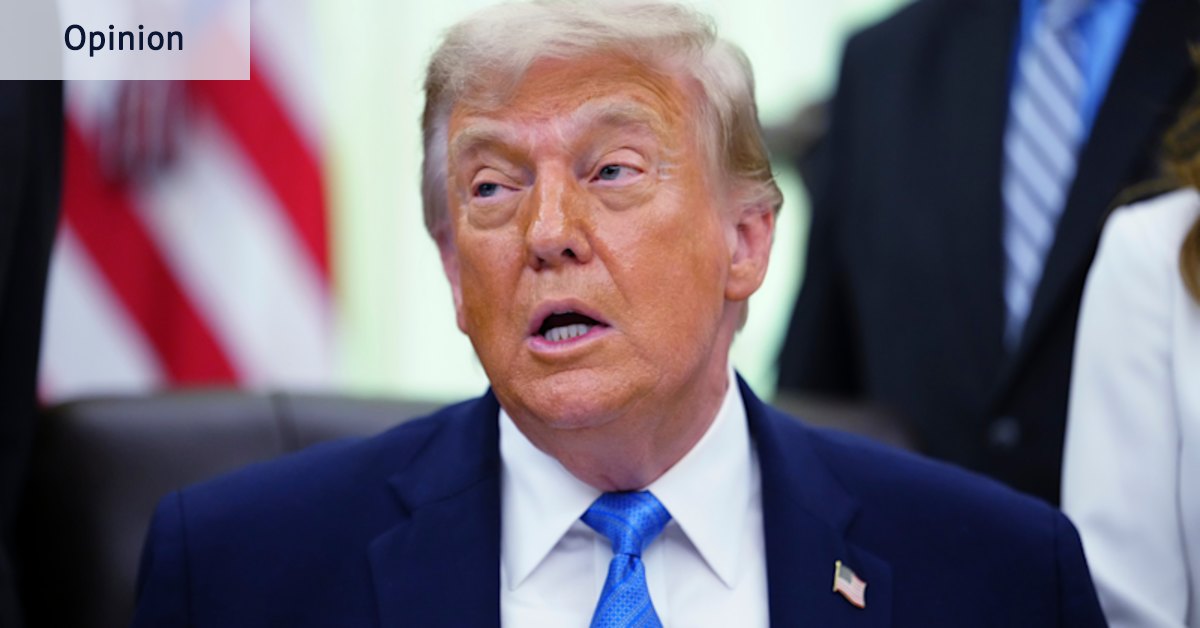
Trump S Deal Will Show How Pointless His War Was 20260615 P606s6
businesstimes.com.sg
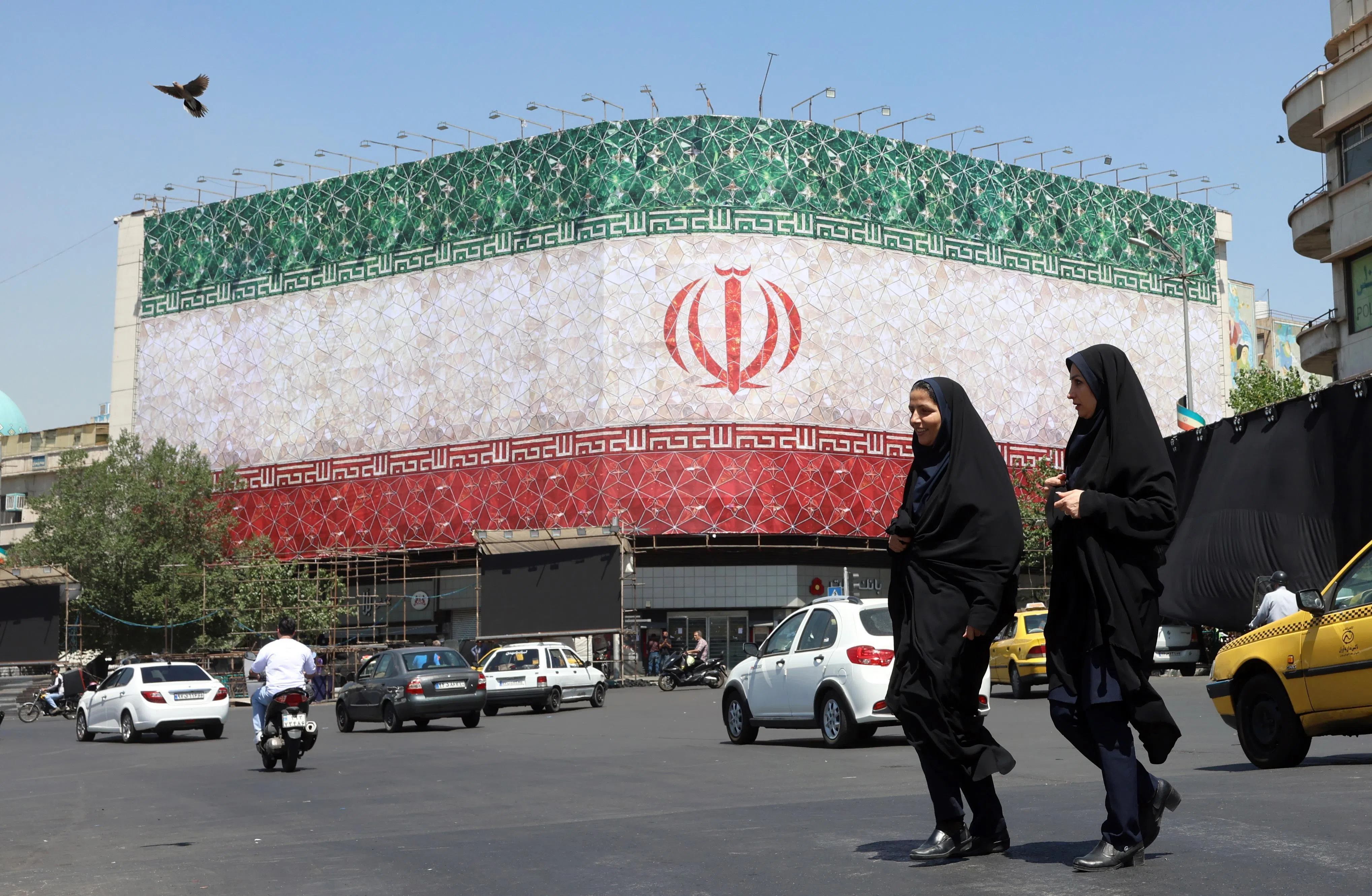
US Iran Reach Deal End War Signing Set Jun 19
politicaldog101.com
Irantrumpconflict Warevening June 14 2026 Part 2 WHO Wins

rnz.co.nz
Shares Surge Oil Skids as US Iran Reach Peace Deal

standard-democrat.com