www.asiaone.com ·
China Inc Deploys Quiet Layoffs Beijing Promotes AI Adoption
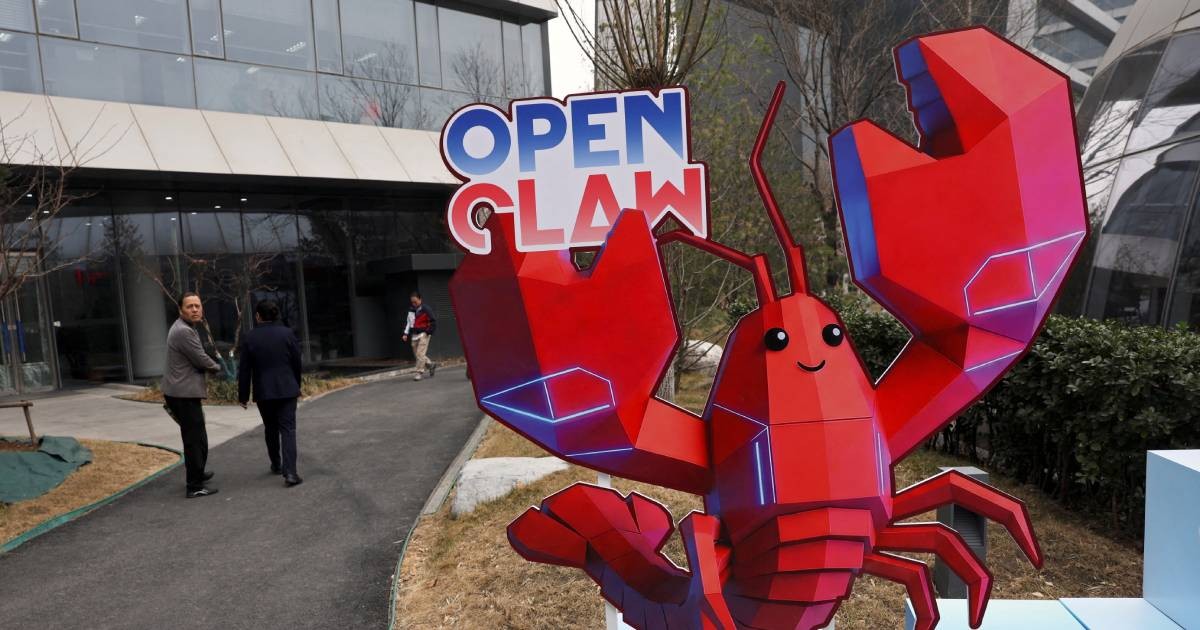
News Analysis — AI Analysis
Original analysis generated by News Analysis. This is our own commentary on the story, not the publisher's article text.
Chinese internet firms are implementing 'quiet' and gradual layoffs as they integrate AI tools like OpenClaw into their operations. This strategy allows companies to achieve productivity gains from AI without triggering mass job cuts that could cause social instability or attract government scrutiny. Furthermore, some workplaces are beginning to measure employee performance using metrics such as AI token usage.
Key points
- Companies are quietly reducing staff and graduate hiring by adopting AI tools across various sectors like tech, entertainment, and advertising.
- The current approach contrasts with Western mass layoffs, allowing Chinese firms to gain productivity while avoiding political backlash.
- Due to labor laws and concerns over social stability, companies are opting for gradual cuts and attrition rather than large-scale dismissals.
- Some workplaces are measuring employee efficiency using AI token usage, linking this metric to performance reviews and promotion prospects.
Claims assessed
- VerifiableChinese firms are quietly implementing small-scale layoffs as they seek AI-linked productivity gains without attracting government scrutiny.
- VerifiableThe tasks most people do can be completely replaced by AI agents, potentially leading to job displacement.
- VerifiableChinese companies must avoid mass layoffs because they could prompt 'social instability' and have political ramifications.
- VerifiableAI-driven headcount reductions at major tech firms are likely to unfold through gradual cuts and attrition rather than a single mass round of lay-offs.
Missing context
The article does not detail the specific regulatory guidelines or enforcement mechanisms that define 'social stability' in this context, nor does it provide concrete data on the overall percentage of workforce reduction across major Chinese tech firms.
Topic context
The full article is on the original publisher site.
AI insight
AI-generatedStructural AI adoption will moderately compress generalist tech services in the medium term while boosting demand for specialized industrial automation hardware. Key risk: The immediate commercial signal is muted; short-term price spikes are unlikely due to existing enterprise budgeting cycles, and the link between white-collar savings and physical CapEx spending remains indirect.
The primary commercial mechanism is a structural shift in labor demand driven by technological adoption (AI). This increases productivity but directly reduces the need for human labor (input cost/volume reduction) across multiple sectors, particularly affecting entry-level workers. The impact is concentrated within China's domestic tech and service industries.
Signals our AI researcher identified
Extracted by our AI model from this article and related public sources — not direct quotes from the publisher.
- Chinese companies are implementing layoffs due to AI adoption.
- Beijing aims for 70% AI adoption by 2027 (AI Plus initiative).
- Citibank estimates 9.6% of jobs, or ~70 million positions, are at high risk from AI.
- Layoffs affect tech and entertainment industries.
Affected products & commodities
- Labor services
- Software development capacity
- Creative content production
Supply-chain signals
- AI tool adoption rates (e.g., OpenClaw)
- China's domestic tech labor pool availability
Historical parallels
- Previous industrial revolutions saw significant job displacement in manual labor, leading to subsequent demand shifts toward service and knowledge-based roles (not specified magnitude/direction).
This analysis would be wrong if
If a major regulatory change forces rapid adoption of AI tools across all sectors (e.g., mandatory process automation) or if global corporate inventories prove insufficient to absorb current supply levels.
Increased productivity from AI adoption accelerates the need for physical automation and industrial efficiency upgrades; therefore GLOBAL_INDUSTRIALS is affected up.
Sign in to see all sector verdicts, full thesis and counter-argument debate.
Sector impact at a glance
- EM_TECHshort
- GLOBAL_INDUSTRIALSmid
- GLOBAL_TECHmid
- GLOBAL_TECHshort
Related stories

zawya.com
Industrialists Career Exhibition Concludes With More Than 1 000 Job Opportunities Offered Over Two Days G09l4bo2

mb.com.ph
Govt Intensifies Srr Ops Relief Delivery as Death Toll in Sarangani Quake Hits 45

miragenews.com
Employers to Boost AI Output With New Tools

hellenicnews.com
Los Angeles Greek Film Festival Wraps Up for 2026 Orpheus Awards

bmmagazine.co.uk