economictimes.indiatimes.com ·
Bolivia Declares State of Emergency Deploys Military to Quell Protests
Executive Summary
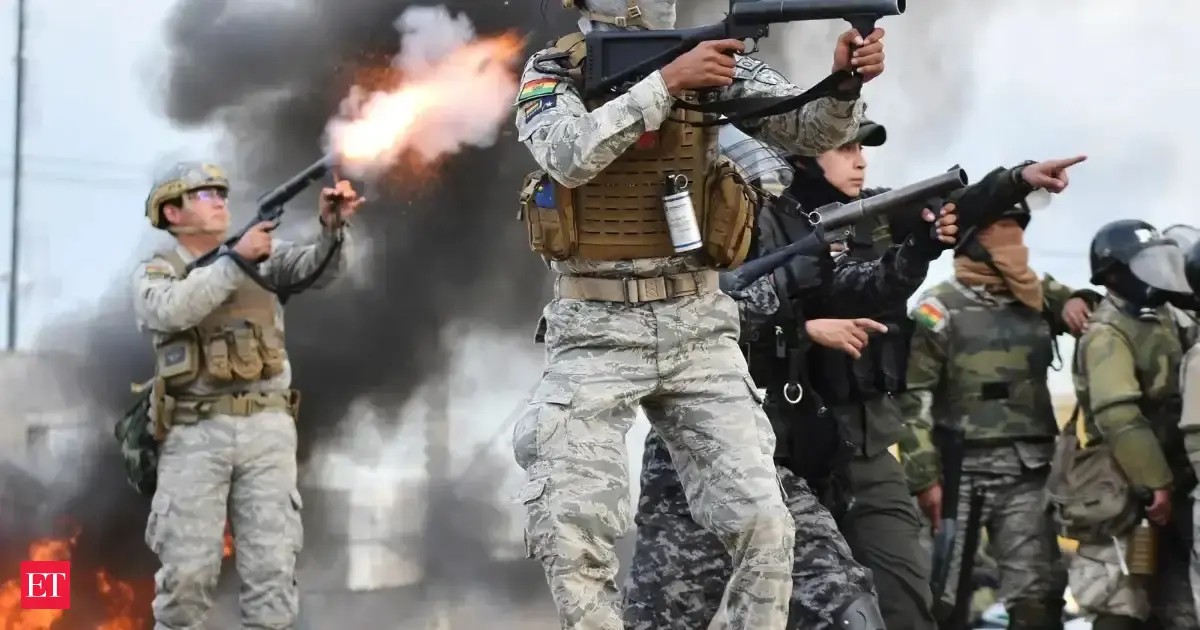
AI-generatedFacing prolonged national disruption, Bolivia's president declared a 90-day state of emergency and deployed military forces to clear anti-government roadblocks. The move comes after weeks of protests by unions and Indigenous groups that have severely impacted the economy and daily life in major cities. While some residents expressed relief at the restoration of normalcy, opposition groups vowed to continue their resistance against President Paz's administration.
The declaration of a state of emergency and military deployment in Bolivia severely disrupts civil life. The primary commercial mechanism is supply chain disruption (logistics/input cost) leading to scarcity across multiple consumer goods sectors. This impacts the operational capacity of distributors, manufacturers, and retailers, squeezing margins for essential goods.
Key Insights
- President Rodrigo Paz declared a 90-day state of emergency, granting the military authority to curb protest rights and clear blockades.
- Protests, which have lasted over six weeks, are organized by unions, Indigenous groups, and coca farmers opposing the current conservative government.
- The protests have caused severe shortages of essential goods like fuel, food, and medicine, leading to significant economic losses for Bolivia.
- Despite Paz signaling a willingness to negotiate with some labor groups, other Indigenous leaders vowed continued resistance against his rule.
- President Paz has accused former president Evo Morales of orchestrating the unrest, while security officials stated they would pursue operations to capture him.
Topic context
Related topics
The full article is on the original publisher site.