www.sbs.com.au · · AU
Running Dry Fresh Pressure on Ebola Frontline as Deadly Outbreak Grows
News Analysis — AI Analysis
Original analysis generated by News Analysis. This is our own commentary on the story, not the publisher's article text.
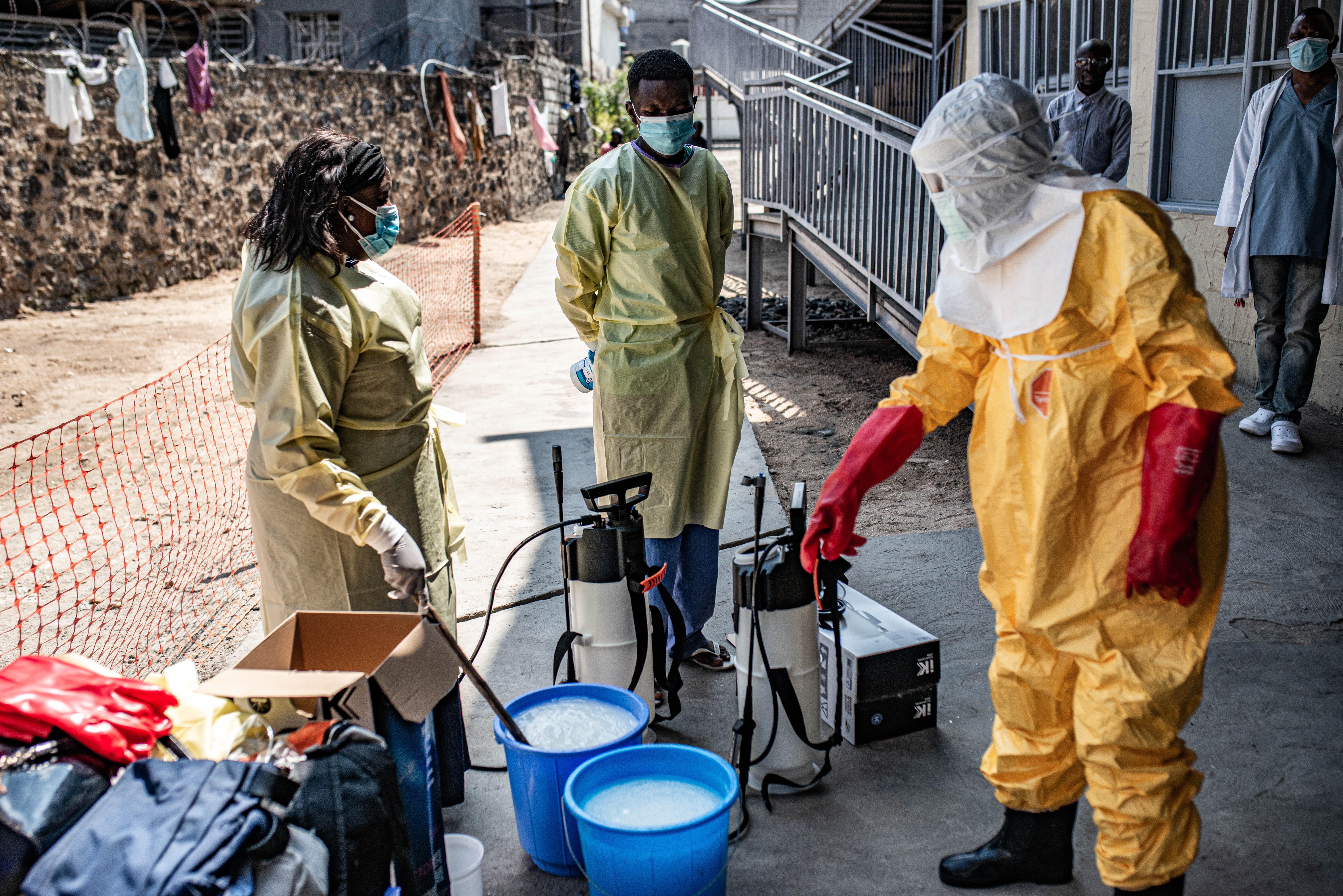
The Ebola containment effort in the Democratic Republic of the Congo is facing significant challenges, including a nationwide strike by doctors demanding better pay and working conditions. Compounding these issues, three key laboratories have temporarily run out of testing supplies, raising concerns about the ability to track and control the growing outbreak.
Key points
- Doctors in the DRC launched industrial action due to demands for higher wages and improved health sector investment.
- The WHO reported that three Ebola testing laboratories across different provinces have exhausted their necessary diagnostic supplies.
- Experts warn that reduced testing capacity severely compromises surveillance, contact tracing, and overall outbreak control efforts.
- Congolese authorities confirmed 598 cases and 115 deaths linked to the Bundibugyo strain of Ebola.
Claims assessed
- VerifiableThree laboratories processing Ebola samples temporarily ran out of testing supplies, according to the WHO.
- VerifiableDoctors in the Democratic Republic of the Congo began a nationwide strike after accusing the government of failing to meet demands for better pay and working conditions.
- VerifiableReduced testing capacity risks undermining public health efforts by delaying case identification, isolation, and contact tracing.
Missing context
The article does not provide information on the current status of negotiations between government officials and union representatives regarding the doctors' strike, nor does it detail what specific resources or funding are needed to replenish the exhausted laboratory supplies.
Topic context
The full article is on the original publisher site.
AI insight
AI-generatedThe Ebola outbreak creates a severe supply shock to diagnostics and medical services in DRC. However, immediate price spikes are unlikely due to local infrastructure collapse and labor strikes (short-term flat). The key risk is the systemic inability of high-cost specialized contracts to sustain value over time due to funding shifts.
The primary impact is on public health infrastructure and operational capacity within the Democratic Republic of the Congo (DRC). The lack of testing supplies, coupled with a nationwide doctor's strike, severely constricts the ability to manage the outbreak. This creates an immediate supply-side shock to medical services and diagnostics, increasing containment costs and potentially slowing down response efforts.
Signals our AI researcher identified
Extracted by our AI model from this article and related public sources — not direct quotes from the publisher.
- 598 confirmed Ebola cases reported in DRC
- Three laboratories ran out of testing supplies
- Nationwide strike by doctors due to poor pay/conditions
Affected products & commodities
- Diagnostic testing supplies
- Medical personnel services
Supply-chain signals
- Laboratory reagents/testing kits
- Healthcare workforce availability (DRC)
Historical parallels
- (not specified)
This analysis would be wrong if
If concrete evidence emerges that international aid can bypass current conflict/strike action to guarantee reliable payment and distribution channels for critical medical supplies.
Long-term specialized medical service contracts are expected to see a moderate decline. The key risk is the shift from high-cost specialized care to basic humanitarian relief.
Sign in to see all sector verdicts, full thesis and counter-argument debate.
Sector impact at a glance
- GLOBAL_HEALTHCAREmid
Related stories
thehindubusinessline.com
It Drags D Street Lower as Investors Turn Cautious on West Asia Tensions US Inflation Data Oil Spike
miragenews.com
Address to Morgan Stanley Australia Summit

dailymail.com
Used EVs clocked petrol diesel cars

timesofindia.indiatimes.com
AI Will Kill US All Anyway Days Before Spacex IPO Former Xai Engineer Says He Was Fired After Warning About Groks Safety Risks
bigpara.hurriyet.com.tr