www.thedailybeast.com ·
Trump Congratulates Himself on Iran Deal No One Has Seen
News Analysis — AI Analysis
Original analysis generated by News Analysis. This is our own commentary on the story, not the publisher's article text.
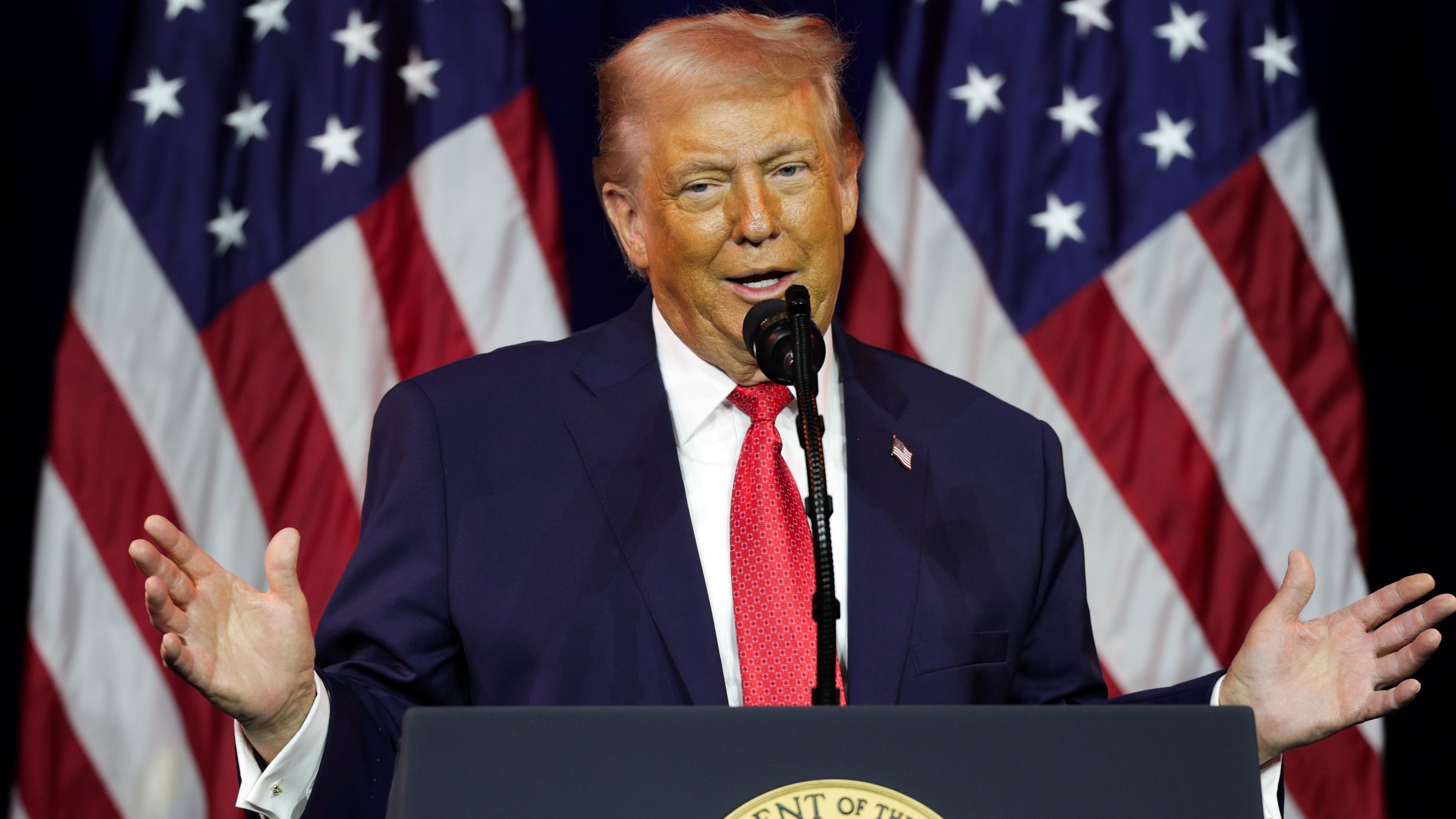
Donald Trump announced on Truth Social that a war he allegedly started with Iran nearly four months ago has concluded, calling it his 'Great Deal.' He claimed the agreement would reopen the Strait of Hormuz and end US naval blockades. Pakistani Prime Minister Shehbaz Sharif also affirmed to social media that Washington and Tehran had reached a deal terminating military operations across all fronts.
Key points
- Trump announced the supposed conclusion of the war with Iran, calling it his 'Great Deal.'
- The alleged agreement includes authorizing the reopening of the Strait of Hormuz and removing US naval blockades.
- Pakistani PM Shehbaz Sharif stated that military operations between Washington and Tehran have ceased across all fronts.
- Trump claimed he is uniquely positioned to achieve peace with Iran, contrasting himself with previous failed attempts.
- The article notes that the full terms of the deal were not disclosed by the White House.
Claims assessed
- VerifiableDonald Trump announced on Truth Social that the war he started with Iran nearly four months ago was 'complete.'
- VerifiableThe agreement supposedly authorizes the reopening of the Strait of Hormuz and the immediate removal of the United States Naval blockade.
- VerifiablePakistani Prime Minister Shehbaz Sharif affirmed that military operations, including those in Lebanon, have been terminated between Washington and Tehran.
- VerifiableThe biggest issues in negotiations, such as US sanctions on Iran and the status of its nuclear program, will be addressed in talks over the next 60 days.
Missing context
The article does not provide the actual terms of the peace deal or confirm whether the conflict described actually occurred as stated. It also lacks details regarding who facilitated the negotiations beyond mentioning Qatar, Saudi Arabia, and Turkey.
Topic context
The full article is on the original publisher site.
AI insight
AI-generatedEasing supply constraints due to the Strait of Hormuz reopening push global energy prices (Brent Crude/Natural Gas) 2-3% lower in the short term. Key risk: The magnitude of the decline is likely moderated by strong underlying seasonal demand and local central bank currency management, preventing a sharp repricing.
The announcement suggests the removal of a major supply constraint (US Naval blockade) on crude oil transport through the Strait of Hormuz. This directly impacts global energy supply and commodity pricing, potentially reversing the recent surge in gas prices caused by conflict disruptions. The mechanism is primarily 'supply_shortage' reversal and 'input_cost' reduction for global refiners/consumers.
Signals our AI researcher identified
Extracted by our AI model from this article and related public sources — not direct quotes from the publisher.
- US Naval blockade on Iran is set to be lifted.
- Strait of Hormuz expected to reopen for oil transport.
- Agreement includes an immediate end to military operations between US and Iran.
- Gas prices have surged due to disruptions in oil trade (prior event).
- Deal signing ceremony scheduled for Switzerland.
Affected products & commodities
- Crude Oil (Brent/WTI)
- Natural Gas
- Refined Petroleum Products
Supply-chain signals
- Strait of Hormuz transit stability
- US sanctions on Iran oil exports
Historical parallels
- Previous disruptions in the Strait of Hormuz typically caused immediate spikes (10-25%+) in crude oil futures and increased shipping/insurance costs, which would reverse upon confirmed reopening.
This analysis would be wrong if
If physical logistics data (e.g., insurance rates or tanker availability) show significant immediate disruption that was not accounted for in the geopolitical announcement, leading to an unexpected price spike.
Crude oil futures are expected to decline in the short term due to the removal of geopolitical risk premium. The key risk is that physical logistics changes (like insurance rates) may cause a more gradual repricing.
Sign in to see all sector verdicts, full thesis and counter-argument debate.
Sector impact at a glance
- COMMODITY_OILshort
- GLOBAL_ENERGYshort
Related stories

sueddeutsche.de
ukraine krieg newsblog hoehlenkloster kiew russland angriffe putin li.

punchng.com
Ndlea Uncovers Cocaine Hidden in Shirts Towels at Lagos Airport
kurv.com
Trump Says Deal Reached With Iran and He Has Authorized the Naval Blockade to Leave Strait of Hormuz

businesstimes.com.sg
Chinese Economy Stuck Slow Lane Consumption Heads Drop
sbs.com.au